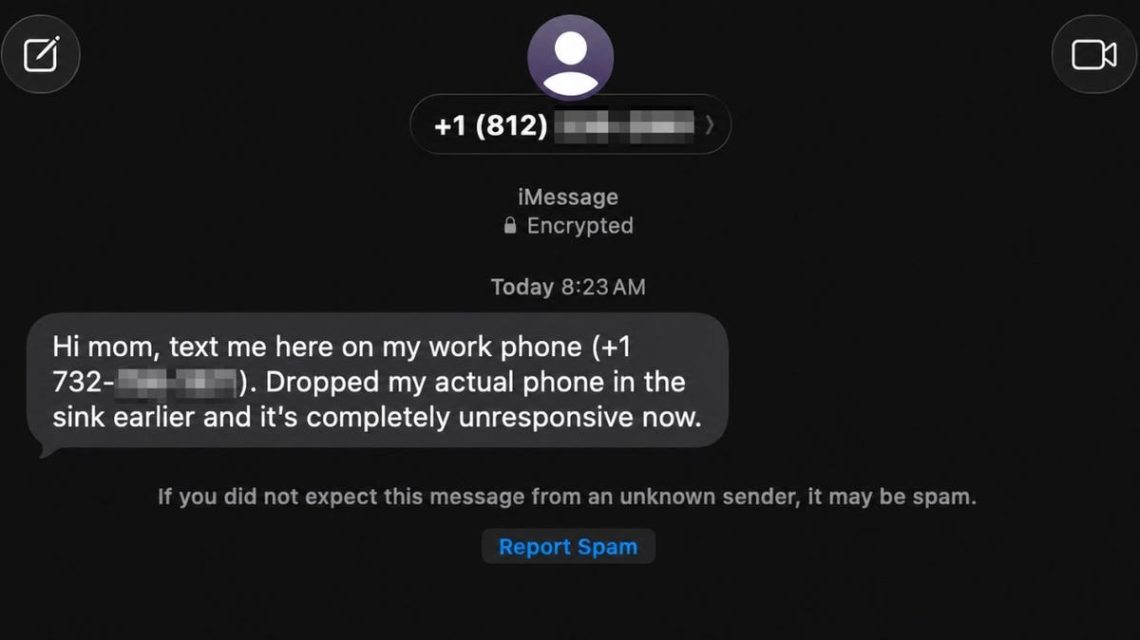
A recent text scam, known as the ‘Hi Mom’ scam, has been alarming many parents. A typical message reads, “Hi mom, text me here on my work phone. Dropped my actual phone in the sink earlier and it’s completely unresponsive now.” These messages come from unknown numbers and ask the recipient to contact a second unknown number, prompting a new conversation before verification can occur.
Why the Scam Works
The scam’s success lies in its simplicity and believability. An excuse about a work phone and a phone mishap sounds plausible. Such messages seem urgent and personal, which can make parents respond without thinking. The scammer doesn’t need a perfect story—just a believable one to get the target to engage.
Analyzing the Scam Message
- “Hi mom”: No specific name is used, allowing the message to feel personal to any mother reading it.
- “Text me here”: This urges you to respond on the scammer’s terms, keeping communication within text messages.
- “On my work phone”: Provides a reason for the unknown number, making it seem legitimate.
- “Dropped my actual phone in the sink”: This common scenario creates a believable excuse.
- “Earlier”: Offers a timeline without specifics, creating urgency but avoiding verifier details.
- “Completely unresponsive now”: Dissolves the potential for calling the real number.
Risks of Responding
If you reply, scammers might ask for financial help, stating they need money for a phone replacement or similar reasons. They might push for payment through platforms like Zelle, Venmo, or ask for gift cards. Some may request a security code claiming it’s needed for account recovery. Sharing such information can jeopardize your accounts.
Strategies to Stay Safe
- Do not respond: Avoid replying, even to dismiss the message, as it confirms your number is active.
- Call the known number: Use a trusted contact method to verify if the message is authentic.
- Ask a verification question: Something only the real person would know, avoiding public info.
- Be cautious with money: Scrutinize requests for immediate financial help and avoid quick payment methods.
- Do not share verification codes: Protect codes that might allow access to personal accounts.
- Use reliable antivirus software: Protect your devices from potential scams containing harmful links.
- Employ data removal services: Reduce your information’s visibility online to lessen scam attempts.
- Report and block: On iPhone, tap ‘Report Spam’ if available, delete the text, and forward to 7726 (SPAM). On Android, block and report the sender.
Taking Action if You’ve Engaged
If you’ve already replied, focus on cutting off communication, securing your accounts, and gathering proof. Do not explain or confront the scammer. Screenshot the interaction, contact your family member through trusted means, change any exposed passwords, and reach out to financial institutions if money was sent.
This scam preys on the instinctive response to family emergencies, making it crucial to pause before acting. Confirm authenticity using known contact details and report any suspect activity to prevent escalation.
 Implications of AI in College Admissions
  Congressional Inaction Amid AI Concerns
  Rising Demand for Data Centers Driven by AI Development
  Pentagon Confirms US Weapons Deployed in Space
  Understanding AI’s Impact Compared to Historical Threats
  Debate Over AI’s Governance Amidst Fearful Predictions