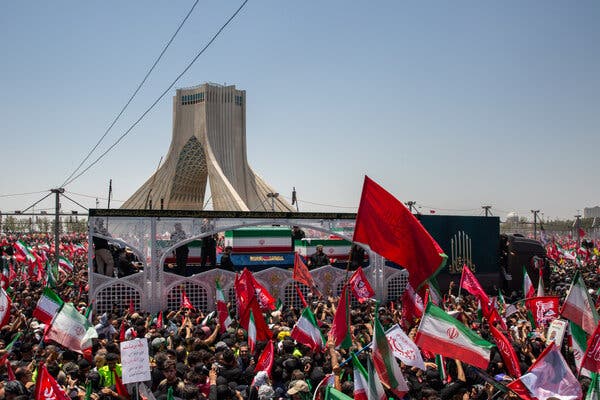
On July 6, 2026, millions filled the streets of Tehran to bid farewell to Ayatollah Ali Khamenei, the former supreme leader who died during conflict with the United States and Israel. Crowds gathered to honor him, carrying signs that demanded vengeance for his death, which occurred early in the war initiated by these countries.
The ayatollah’s coffin, transported slowly through the packed streets, was surrounded by throngs of mourners. Posters at the procession bore images of Khamenei alongside symbols of defiance, such as a clenched fist. Some carried portraits with President Trump and Vice President JD Vance depicted behind cross hairs, accompanied by the slogan “There will be blood.” English phrases like this were commonly displayed, emphasizing the tension following his passing.
Amid the soaring temperatures over 90 degrees, Iranian officers sprayed water to cool the flag-waving crowds. The weeklong funeral, meticulously organized by the government, aimed to honor a leader who had both repressed dissent and fostered Iran’s hard-line Islamist and anti-Western stance. At the same time, it sought to showcase national unity and resilience.
Ayatollah Khamenei ruled Iran for more than 37 years until February 28, when he died on the first day of the U.S.-Israeli attack. Since then, the United States and Iran have established a fragile cease-fire, although peace talks have been temporarily halted until after the funeral ceremonies are completed.
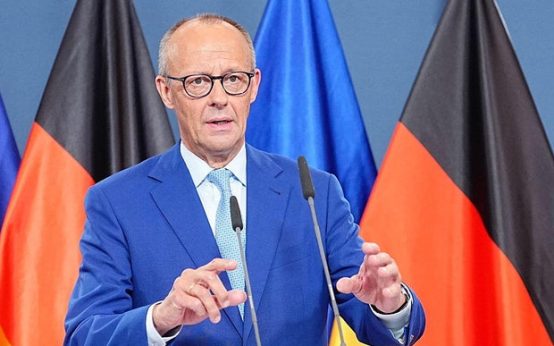 German Chancellor Friedrich Merz Faces Challenges After Election Losses
 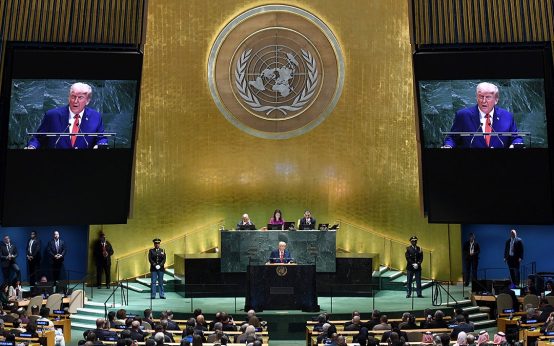 Trump’s Approach to Iran at the United Nations
 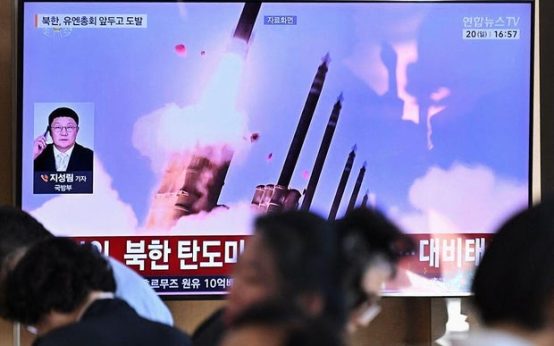 North Korea’s Missile Launches Escalate Tensions
 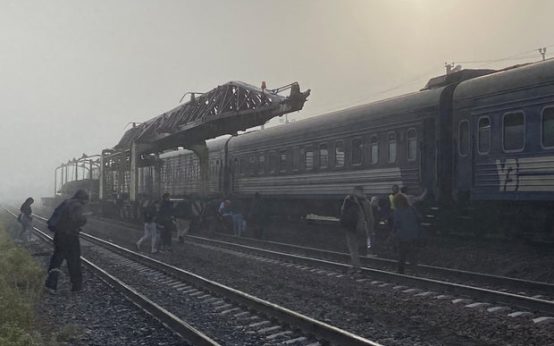 U.S. Plans for Permanent Army Base in Poland Amid Tensions with Russia
  Berlin’s Mayoral Race: A Candidate Inspired by New York Leadership
 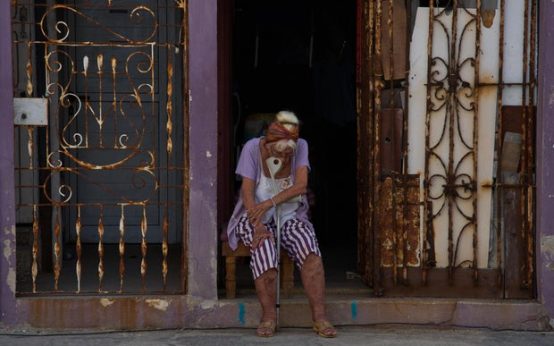 Cuba Faces Sixth Power Grid Collapse Amid U.S. Fuel Blockade