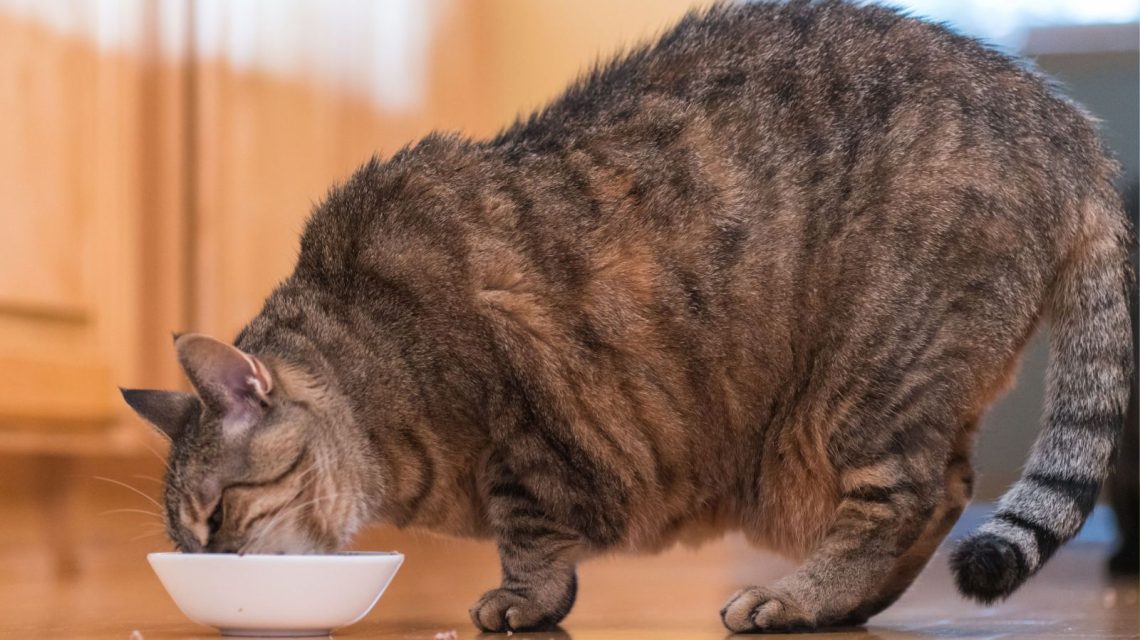
Cat owners might find their feline friend has gained weight without realizing they are overfeeding them. Veterinarian Ruth MacPete warns substantial pet weight gain often happens due to unnoticed feeding habits.
Signs of Overfeeding Your Cat
Dr. Ruth MacPete, author of Lisette the Vet and Her Dog Jett, highlights several signs that may indicate your cat is overeating and the usual feeding behaviors that contribute to it.
“Overweight pets may be cute, but they are not healthy,” MacPete explains.
Obesity in cats can increase the risk of serious health issues like arthritis, diabetes, and liver disease. Fortunately, cats often present subtle warning signs before their weight leads to significant health problems, if owners pay attention.
1. Food Left Out All Day
Providing continuous access to food and giving treats randomly can inflate your cat’s calorie intake. Many cat owners follow a free-feeding approach, allowing cats to eat whenever they want. While it can be convenient, it may not suit every cat.
“Some cats eat too much when given unlimited access to food,” MacPete notes.
Treats can also quietly increase calorie count. Though treats are given as a form of affection, they should be no more than 5 to 10 percent of your cat’s daily calorie intake. Most of their diet, 90 to 95 percent, should come from a complete cat food.
2. Gradual Weight Gain
Gradual weight gain often goes unnoticed. MacPete suggests consulting with veterinarians to evaluate if your cat maintains a healthy weight. Vets use a nine-point scale, the cat’s body condition score, to assess health.
A score of 5 out of 9 is ideal. Scores above 5 indicate excess fat. Veterinarians evaluate your cat’s appearance and feel their body to gauge extra weight. Should your cat be overweight, they can help design a diet plan.
3. Difficulty in Jumping
Weight gain affects a cat’s agility. Overweight cats could struggle to leap onto beds or counters.
“Watch for mobility changes which may indicate excess weight,” MacPete advises.
Discuss mobility changes with your veterinarian as cats are naturally active.
4. Trouble with Grooming
Your cat’s grooming habits can hint at weight issues. MacPete reveals overweight cats struggle to groom themselves, especially around their back end, due to limited reach.
A cat may have a dirty or matted coat when they stop grooming properly, possibly leading to skin issues.
5. Reduced Interest in Play
A decrease in playfulness can signal weight gain. Cats that show less interest in their usual toys might simply be aging, but it could also be due to added weight.
“Extra pounds make movement tough, reducing activity further,” MacPete explains.
Owners should monitor their cat’s activity closely.
Assisting Cats with Weight Loss
Though weight gain is gradual, Ruth MacPete encourages working with veterinarians to create a well-regulated plan for weight loss.
The main treatment for obesity is reducing calorie intake while encouraging more physical activity. However, owners must not drastically cut food without consulting a veterinarian.
“Rapid weight loss can lead to hepatic lipidosis, a life-threatening liver condition,” MacPete warns.
MacPete advises scheduling regular veterinary visits for all cats. Those older than seven years should see a vet biannually to catch weight alterations early, ensuring they stay healthy.
 Managing Distress and Discomfort Effectively
  Trump Administration Seeks to Influence NIH Grantmaking
  Understanding School Shooting Preparedness Drills
  Addressing the Complex Issue of Suicide and Its Prevention
  Quality of Sleep Linked to Risk Reduction in Various Diseases
  Exploring Diets and Their Potential to Reduce Alzheimer’s Risk