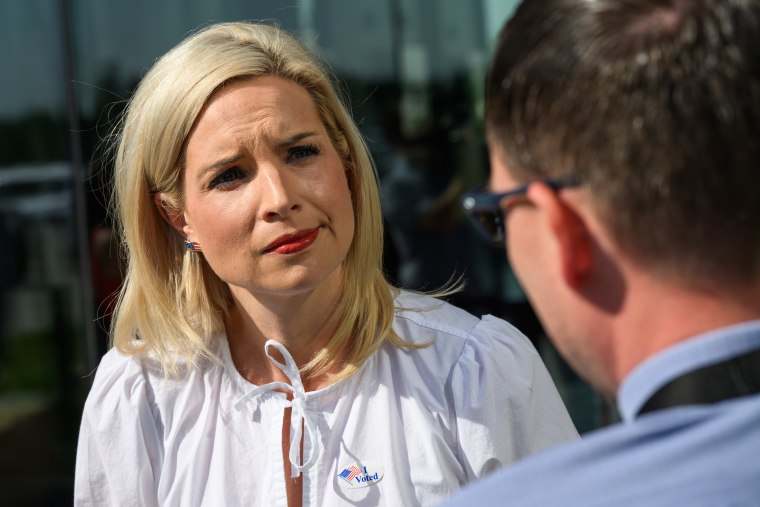
Economic Concerns Dominate Voter Sentiment
Undecided voters in Iowa and Georgia are increasingly focused on economic issues as Election Day nears. Discussions among these voters reveal a strong concern over high living costs, including food and gas prices. Patty O., a Georgia Republican, highlighted these worries, noting the current burden of high costs of living. She was part of focus groups conducted by Syracuse University and research firms, which included independents, Republicans, and a Democrat.
The focus groups aimed to understand voter sentiment beyond generic polling, engaging participants in detailed discussions about their concerns. A significant takeaway was the prevailing sense of economic anxiety among voters, impacting who they might support in the upcoming Senate races.
Economic Anxiety and Trump’s Performance
The focus groups revealed that eight out of twelve voters disapproved of Trump’s economic handling during his second term. Jamie G., an Iowa independent, expressed disappointment in Trump’s unfulfilled promises, such as ending conflicts and addressing tariff impacts. Voters like Jamie felt Trump’s focus on personal projects overshadowed addressing pressing national issues.
Some voters appreciated Trump’s efforts, citing stricter immigration policies as a positive. Tyler R., an Iowa Republican, supported parts of Trump’s policies, including attempts to engage with Russia. However, he also voiced frustration about rising prices linked to tariffs and international conflicts.
Impact of Personal Finance and Consumer Costs
Participants expressed concerns about personal finances, particularly regarding stock market gains and living costs. Drew G., a Georgia Republican, noted his investments performed well, though it did not offset growing living expenses. Jennifer B., an Iowa independent, shared similar views, acknowledging investment success but worrying about an inability to use those gains due to high prices.
Voters like Sarah M., who transitioned from Democrat to independent, voiced struggles with taxes and grocery costs. Practical adjustments, such as forsaking gym memberships and travel, indicate how deeply economic concerns permeate daily life. Patty O. questioned how she could mitigate rising utility costs, highlighting the pervasive nature of economic stress.
Beyond Economic Concerns
While economic issues were central, some voters expressed frustration related to international events, particularly the prolonged Iran conflict. For example, Drew G. of Georgia pointed to the conflict affecting gas supplies and prices.
Influence on Midterm Election Decisions
Voter dissatisfaction with Trump’s economic policies might impact midterm choices, but interpretations of these sentiments vary. Margaret Talev of Syracuse University noted that even though voters voiced discontent with Trump, they may not necessarily vote tactically in the midterms. Tyler R., among others, indicated a willingness to consider candidates from the opposite party, seeing bipartisan cooperation as crucial.
In Georgia, undecided voters showed interest in learning more about Senate candidates Jon Ossoff and Mike Collins. Patty O. recognized the job creation potential of data centers, while others raised concerns about their environmental impact.
Ultimately, economic issues, such as cost of living and gas prices, weigh heavily on voter decisions, as Alice N., a Georgia Republican, illustrated. These factors will likely be pivotal in shaping the outcome of upcoming elections.
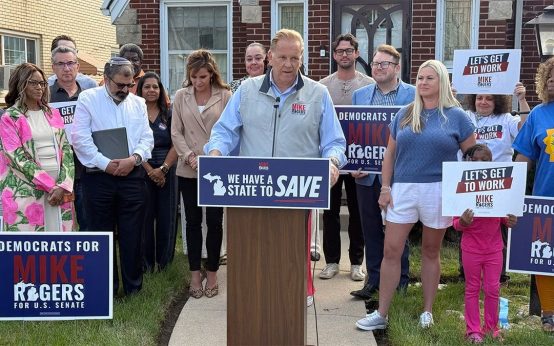 Rogers Courts Disaffected Democrats in Michigan Senate Race
 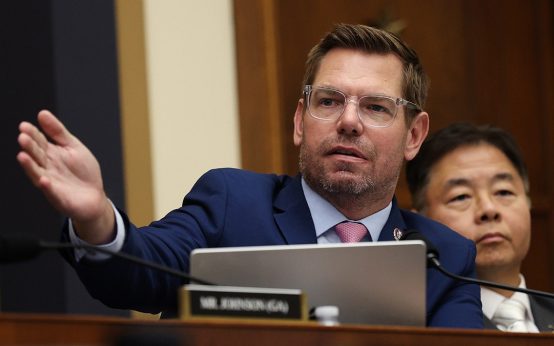 FBI Seizes Devices from Former Congressman Eric Swalwell Amid Allegations
  Angel Dad Joins ICE to Support Victims of Illegal Alien Crime
 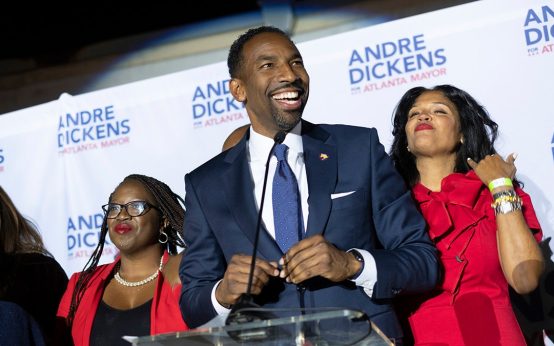 Atlanta Mayor Faces Criticism Over Response to Transportation Concerns
 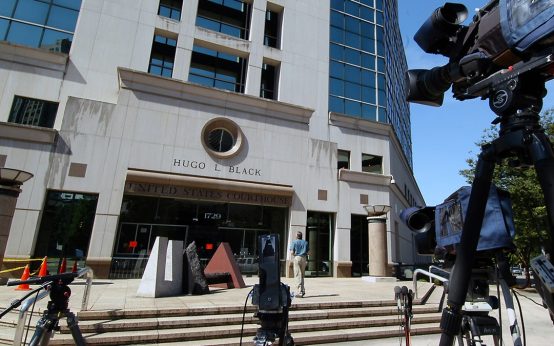 GSA Opposes Bill Granting Judiciary More Control Over Courthouse Properties
  Continuing Tensions Between the U.S. and Iran