
Public health relies heavily on accurate data. It plays a crucial role in various aspects, from assessing the efficacy of annual flu vaccines to tracking blood lead levels nationwide. Data also helps estimate diabetes prevalence. These insights form the basis for significant health decisions.
Issues arise when the Centers for Disease Control and Prevention (CDC) disrupts how communities gather this data. Such interference risks undermining the trust that public health efforts depend on. Trust is fundamental for the effective implementation and acceptance of health initiatives.
Data-driven decisions influence actions like determining the need for expanded diabetes screening. They also help identify communities most vulnerable to severe illnesses related to flu outbreaks. Maintaining accurate and trustworthy data collection is essential for public health success.
 Upcoming Concerns and Influence in Health Politics
  Fraud Task Force Saves Billions by Tackling Obamacare Misuse
  Presley Gerber’s Passing Raises Addiction Recovery Concerns
 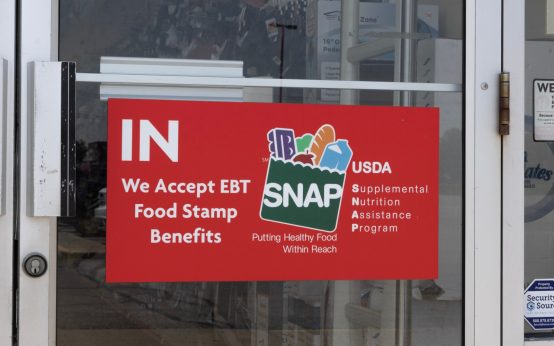 Understanding October SNAP Benefits: Payment Dates and Changes
  Managing Distress and Discomfort Effectively
  Trump Administration Seeks to Influence NIH Grantmaking