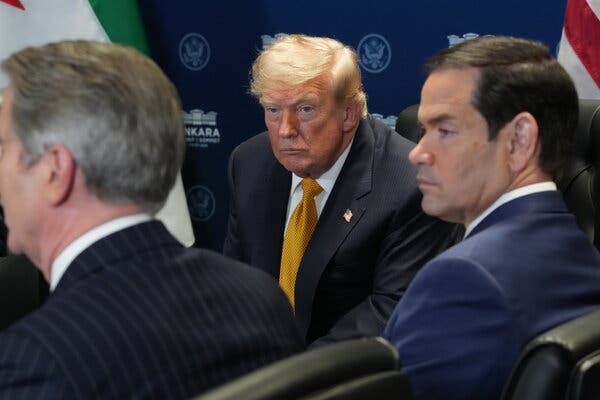
The president is dealing with issues stemming from a swiftly assembled cease-fire agreement with Iran. This agreement, despite initial optimism, showed little progress on critical elements of the ongoing conflict.
Just two weeks prior, President Trump opened the Great American State Fair with a bold statement, asserting, “For the first time in 3,000 years, we are going to have peace in the Middle East.” His statement highlighted the cease-fire with Iran, which he soon declared “over” after less than a month.
The memorandum of understanding consisted of 14 paragraphs and did not address key issues, which contributed to its rapid unraveling. Trump seems to be confronting the outcomes of his quick decision-making and his belief, rooted in his real estate background, that economic incentives would outweigh Iran’s revolutionary ideology.
Trump is now dealing with a variety of challenging issues, including Iran’s nuclear and missile programs, support for terrorist groups, and internal repression.
At the NATO summit in Ankara, Turkey, after both sides exchanged strikes, Trump mentioned potential major combat actions. Possible actions included seizing an Iranian oil processing island and attacking infrastructure and desalination plants. Experts warned that such actions could be considered war crimes. Trump expressed hesitance about hitting desalination facilities.
Despite his threats, Trump has previously made similar assertions without following through. On Wednesday, he noted that he did not expect a return to full-scale military conflict. The idea has limited domestic backing, and some Republican allies are concerned about the potential economic and political fallout with midterm elections approaching.
Iranian leadership is aware of the timing and Trump’s reluctance to repeat past experiences. An alternative for Trump involves reinstating the American blockade on Iranian ports, aiming to sever the country’s economic support. However, this necessitates a significant American presence in the area, and his previous attempt at a blockade did not lead to the anticipated Iranian economic collapse.
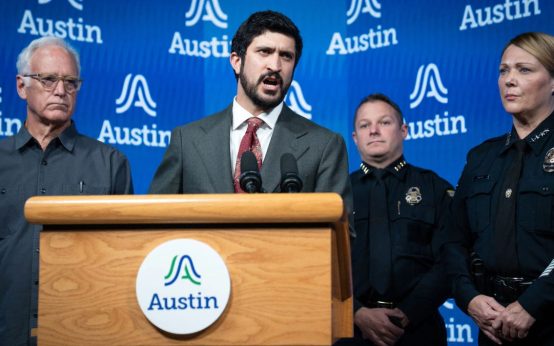 Austin Democrats Criticized for Comments on ICE Shooting
  Where is Austin Tice?
  Trump’s Speech Targets Iran’s Nuclear Ambitions at U.N.
  Impact of Tariffs on Everyday Products
 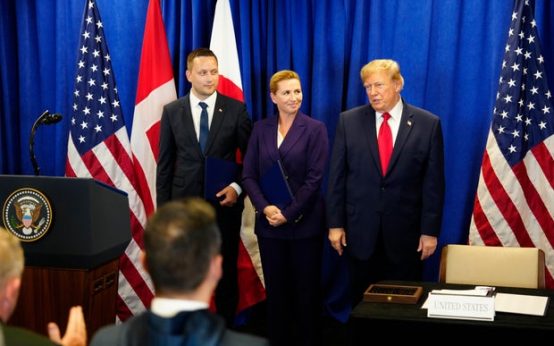 U.S., Denmark, and Greenland Sign New Security Agreement
 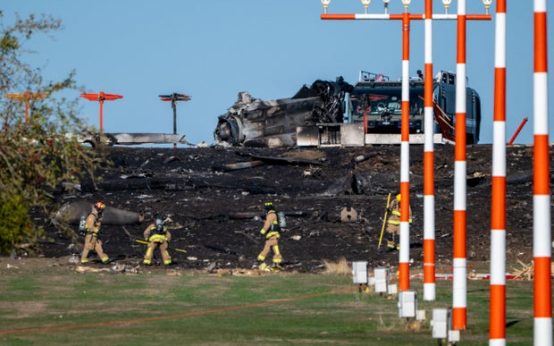 U.S. Military Aircraft Crash at Spangdahlem Air Base