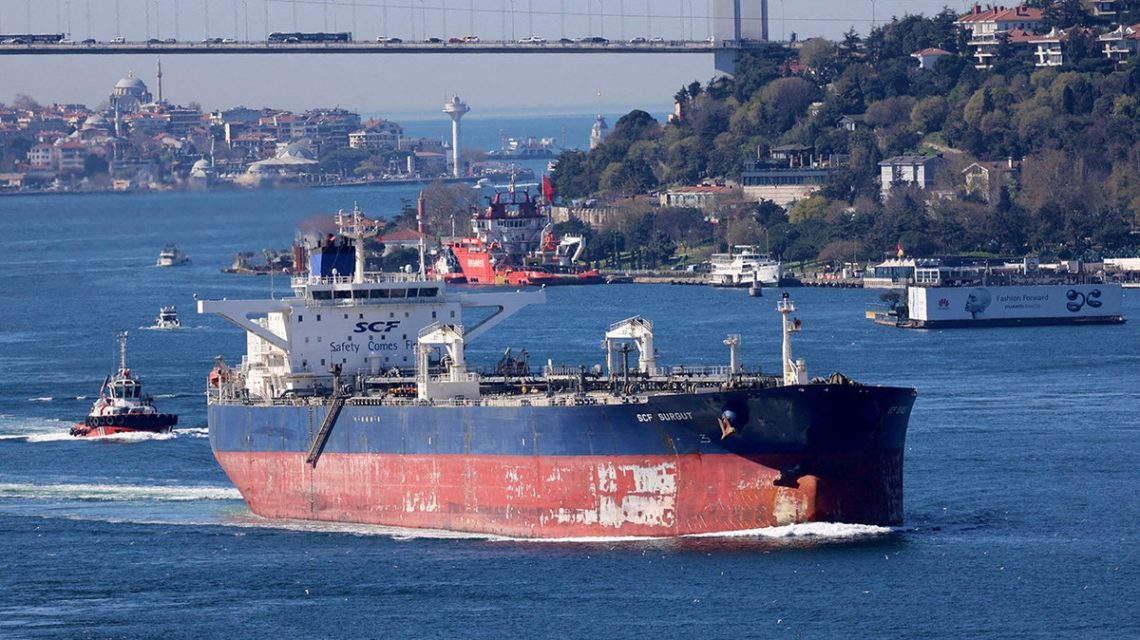
NATO members continue to bolster defense spending, support Ukraine with arms, and impose sanctions aimed at undermining the Kremlin. Yet, European Union countries remain reliant on Russian liquefied natural gas (LNG). This dependence persists as Russia wages war in Ukraine.
Recent shipping data analysis reveals substantial EU expenditures on Arctic LNG in the first half of 2026. According to Urgewald, utilizing Kpler’s shipping data, EU countries imported 136 out of 140 LNG cargoes from Russia’s Yamal project between January and June. China, a previously expected major market, received only four cargoes in the same time frame. These shipments are valued at approximately €5.96 billion, or $6.8 billion.
”The figures reveal a core contradiction for Europe after four years of conflict with Russia. While pledging to cut dependency on Russian energy, payments for Russian LNG continue,” a spokesperson stated.
The analysis identified France, Belgium, and Spain as key destinations for Yamal LNG in early 2026. Affected ports highlight LNG deliveries rather than the nationality of purchasing companies or its EU market destination, emphasized a spokesperson from France’s embassy in Washington.
NATO allies commit to expanding defense budgets in light of Russia’s invasion. Simultaneously, significant energy revenues flow to Moscow, highlighting a complex strategic balance. The EU plans to phase out Russian gas imports via legislative action, targeting a complete ban by late 2027. While pipeline gas imports have declined, Russian LNG remains an essential source for some EU nations.
Former President Donald Trump criticized EU’s ongoing reliance on Russian energy. “Europe has spent more on Russian oil and gas than defending Ukraine,” Trump said in March 2025. The European Commission noted increasing LNG deliveries as adjustments to contracts and market conditions, emphasizing that most remaining imports will continue under long-term agreements until 2027.
The United States positions itself as Europe’s main natural gas supplier. “The U.S. is Europe’s largest LNG source, meeting its growing demand,” the White House stated. Belgium also supports the EU’s decision to phase out Russian gas, stressing active implementations of relevant measures.
Russia’s use of energy as leverage intensified post-2022 when natural gas supplies to several EU countries were restricted. This accelerated the EU’s efforts to eliminate Russian energy reliance. Allegations of Russian influence on EU energy policies exist, but no thorough public investigation confirms broad Russian influence.
“The data paints strategic challenges in severing Russian energy ties while ensuring stable supply,” noted a commission report.
Despite efforts to curb Russia’s energy revenues, significant LNG purchases from Moscow continue. In June, EU ministers enacted more sanctions on Russia, targeting energy networks following military actions. Spain emerges as a focal point in Europe’s LNG phaseout debate, with opinions divided on the 2027 deadline. The country’s energy minister supports immediate actions to decrease reliance on Russian gas.
Spain’s NATO engagement has been criticized by Trump, specifically Madrid’s defense spending levels and its reluctance to back U.S. operations. This diplomatic clash highlights growing tensions within the NATO alliance.
In response to ongoing purchases of Russian energy, bipartisan U.S. senators and the Trump administration proposed legislation for secondary sanctions. These sanctions aim to pressure countries buying Russian oil and LNG, as articulated by the legislative authors.
 Trump’s Approach to Iran at the United Nations
  North Korea’s Missile Launches Escalate Tensions
  U.S. Plans for Permanent Army Base in Poland Amid Tensions with Russia
  Berlin’s Mayoral Race: A Candidate Inspired by New York Leadership
  Cuba Faces Sixth Power Grid Collapse Amid U.S. Fuel Blockade
  Daring U.S. Rescue Mission in Iran