
In a significant political development, Hungary’s Parliament has passed a constitutional amendment aimed at removing President Tamás Sulyok from office. The amendment seeks to initiate reforms of the political structure established by former Prime Minister Viktor Orbán. Following a decisive victory in the April elections, Prime Minister Péter Magyar and his pro-European, center-right Tisza party secured a two-thirds majority, enabling them to make these substantial constitutional changes.
The amendment, which claims to restore ‘rule-of-law democracy,’ was approved with 139 votes in favor and six against out of 199 possible votes. Members of the Tisza party celebrated with a standing ovation, whereas lawmakers from Orbán’s far-right Fidesz party boycotted the session. For the amendment to become law, Sulyok must sign it in five days, though he has not confirmed his decision. If Sulyok refuses, Tisza vows to initiate impeachment proceedings.
Magyar argues that Sulyok neglected his presidential duties by failing to oppose Orbán’s antidemocratic actions.
Magyar has been vocal about his intent to remove Sulyok, citing a strong electoral mandate to fulfill this promise.
Upon passing the amendment, Magyar stated, ‘With this vote today, we have closed an era. We asked for and received a completely clear mandate from the Hungarian people.’ The amendment not only proposes the removal of Sulyok but also includes judicial reforms, establishes a body to investigate financial misconduct under Orbán’s administration, and limits lawmakers’ terms to 12 years.
Fidesz has criticized the amendment as an ‘unprecedented’ attack on democracy. They organized a protest involving around 3,000 people, despite Orbán’s absence. The party’s leader, Gergely Gulyás, announced his resignation as caucus leader, citing the amendment’s restrictions on his future parliamentary eligibility.
The role of Hungary’s president, although largely ceremonial, includes the authority to sign laws and refer parliamentary bills to the Constitutional Court, raising concerns that Sulyok might impede the new government’s agenda.
Upon taking office in May, Magyar’s government swiftly began overhauling what it views as Orbán’s autocratic systems. This included dismissing political appointees seen as enablers of Orbán’s regime, suspending Hungary’s public broadcasting services, and closing the Sovereignty Protection Office, criticized for suppressing dissent and independent media.
Opponents within Fidesz staged a candlelight vigil outside Parliament, protesting what they describe as the ‘tyranny’ of Magyar’s government.
 Generational Shifts Drive Progressive Wins, Says Ocasio-Cortez
  Exaggeration of Federal Savings Gains Attention
  Senator Fetterman Raises Concerns Over El-Sayed’s Senate Run
  Texas Senate Race Intensifies as Talarico Faces GOP Criticism
  Terri DeBoer Aims to Bring Common Sense Values to Michigan’s Third Congressional District
 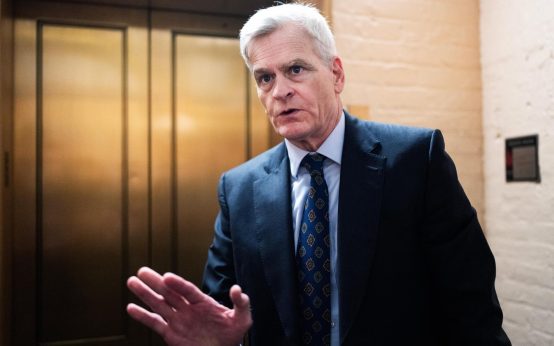 Cassidy’s Critical Vote in Attorney General Confirmation Reflects IRS Controversy