
A.I. Artificial Intelligence, directed by Steven Spielberg and released in 2001, presents intriguing ideas about the future of technology. The film explores themes similar to Pinocchio, where a robotic boy named David embarks on a quest to become real. Monica introduces Teddy to David, a unique teddy bear designed to communicate and provide emotional support. Teddy, much like other AI products envisioned in the film, reflects possibilities that are slowly becoming reality.
Teddy is more than a simple toy; he acts as an intelligent companion and guardian for children. Presently, companies are advancing in creating AI companions that verge on Teddy’s functionality. While modern AI chatbots primarily exist in digital forms, the emergence of interactive toys, dolls, and robots mimics Teddy’s capabilities.
The Role of AI in Childhood
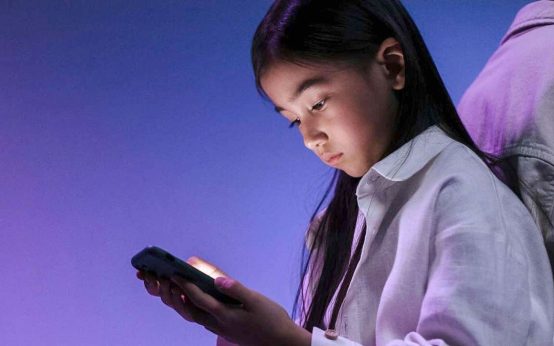
Artificial intelligence is increasingly integrated into childhood experiences. Many children engage with recommendation algorithms that shape their media consumption. AI chatbots assist with questions, homework, and storytelling, and are gradually becoming more prevalent in toys, schools, and homes.
In Human Raised: Nurturing Connection, Curiosity & Lifelong Learning in the Age of AI, Dana Suskind examines AI’s impact on child development. While AI offers possibilities such as enhancing productivity for parents and aiding educational practices, Suskind cautions against replacing essential human interactions with AI technology.
Suskind’s initial title, The Trojan Teddy Bear, underscores the potential hidden dangers AI carries despite its appealing features.
She emphasizes maintaining human-raised childhoods to preserve fundamental interactions that foster critical thinking, emotional connections, and social skills.
Suskind’s Concern for Developmental Impact
Suskind’s interest stems from her work at the University of Chicago Medical Center, where she supports children in hearing development through cochlear implants. Her observations led to extensive research into neuroscience and social science, revealing that back-and-forth communication between children and caregivers significantly shapes brain development. To address a lack of enriching communication, Suskind founded the TMW Initiative.
The initiative aims to educate parents on creating nurturing environments necessary for optimal child development. With AI’s rising influence, Suskind raises an alarm over introducing technology without sufficient scientific examination of its effects on young minds.
A Historical Perspective on Technology in Childcare
Human history reveals efforts to leverage technology to facilitate child-rearing. Suskind highlights examples from prehistoric methods to modern screens like televisions and tablets, noting various reactions ranging from acceptance to fears about technology’s detriment.
Suskind differentiates AI interactions from traditional media, suggesting AI offers more engaging and human-like interactions compared to passive television or tablet viewing experiences.
The evolutionary gate theory proposed by Patricia K. Kuhl suggests children’s brains are wired to benefit from social interactions. Unlike passive media, these interactions are vital for proper learning and brain development.
AI’s Limitations and Concerns
Despite AI’s advancements, it falls short of replicating human warmth and relationships. Suskind identifies AI systems’ potential for perpetual engagement and artificial affirmation as possible factors that detract from developing resilience through real-world interactions.
She questions whether children immersed in AI support can adapt to the complexities and unpredictability of human relationships.
The Potential Risks of AI Reliance
Comparing AI interactions to ultra-processed foods, Suskind warns against reliance on synthetic social experiences. Historical analogies, like the failed attempts to replicate maternal nourishment, caution against substituting human care with AI-driven alternatives without understanding effects on development.
Suskind advises parents against early AI exposure during formative years, proposing it preserves wholesome cognitive and social growth. AI can enhance education but should not replace human interaction.
For socioeconomically constrained families, the temptation to substitute expensive childcare with AI solutions is concerning. Suskind suggests potential disparities where human-raised childhoods become a privilege. This may result in disadvantages in developing qualities most suited to an AI-dominated future.
Yet, Suskind notes the economic advantage of qualities fostered through human interaction, such as empathy and creativity, which remain valuable in relational roles.
In societies increasingly shaped by artificial intelligence, the skills developed through direct human experiences could hold significant economic and social value.
 Handling Rumors About Neighbors When Selling a Property
  Concerns Over Racism and School Funding Inequality Discussed by ‘The View’ Co-Host
  Lane Kiffin Faces Criticism After Ole Miss Loss; Zach Ertz Returns to Eagles
  Nikole Hannah-Jones’ Reflection on School Integration and the Impact on Her Daughter
  Congressional Inaction Amid AI Concerns
  Understanding School Shooting Preparedness Drills