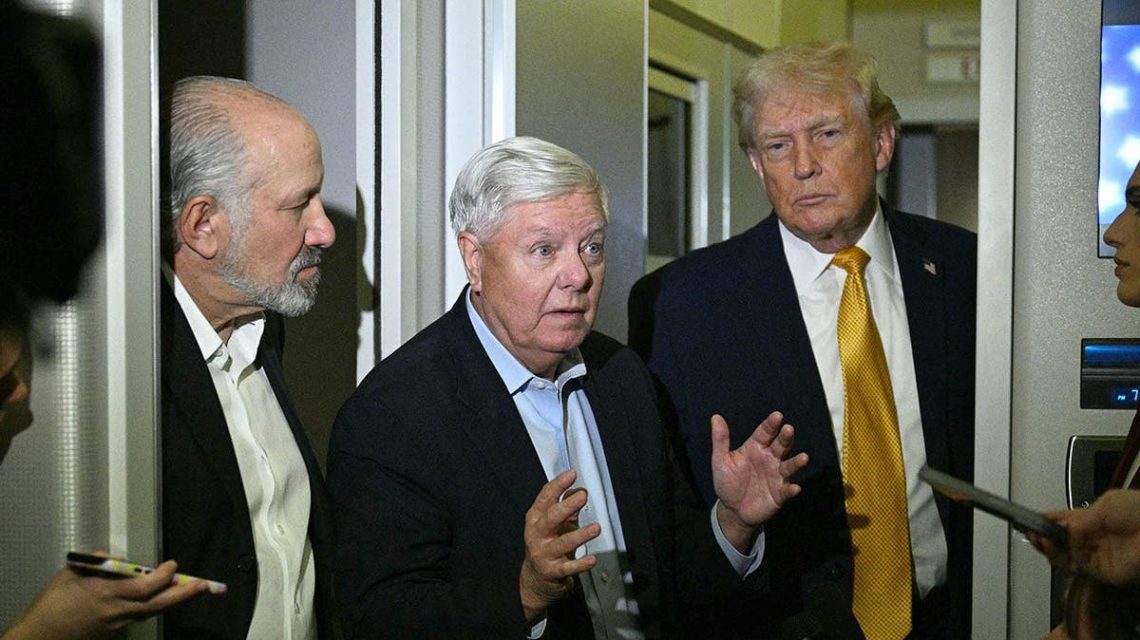
In 2015, Sen. Lindsey Graham labeled Donald Trump a “jackass” and warned Republicans against nominating him. Trump’s response was public and harsh, reading Graham’s cellphone number at a rally and asking his supporters to contact the senator.
This combative beginning seemed unlikely to pave the way for a significant political partnership. Trump came to power with a promise to end “endless wars,” questioning established Republican foreign policy. Conversely, Graham spent decades advocating robust American involvement abroad.
Evolving Partnership
Despite the initial animosity, Graham became one of the few lawmakers regularly consulting with President Trump on national security. He emerged as a significant Republican figure on issues like Iran, Ukraine, Israel, and NATO. His extensive senate career focused on foreign policy, often traveling overseas to meet leaders and visit conflict regions. His role became crucial in understanding and potentially influencing the Trump administration’s international dealings.
Close Relationship
Trump described Graham as “like a member of the family” following the senator’s unexpected death. Graham frequently advised Trump on maintaining a strong U.S. presence globally, even when the president questioned alliances and military engagements.
Graham’s relationship with Trump was unique; instead of sidelining Graham as other hawkish Republicans might expect, he formed one of Washington’s closest partnerships with the president, especially concerning foreign policy.
Foreign Policy Influence
Rather than drafting statements or making speeches, Graham preferred direct interaction with global leaders. His influence came from personal engagements, aiding Trump with advice that could shape the administration’s foreign policy.
Graham worked closely with figures like Israeli Prime Minister Benjamin Netanyahu and NATO leaders. He often challenged Trump’s diplomatic moves, especially regarding Iran and Russia, preferring stringent measures over negotiations.
Legacy of Influence
By the time of his passing, Graham secured an essential role as a facilitator among the White House, Congress, and global leaders, leveraging his relationship with Trump to guide U.S. foreign relations.
His efforts in advancing Saudi-Israel relations, promoting NATO’s importance, and working on Russia sanctions left a considerable mark. His absence raises concerns for countries like Ukraine, which viewed Graham as a vital advocate.
His consistent presence and swift actions ensured his voice resonated in key foreign policy discussions, leaving questions about who could fill this gap. His ability to influence without holding formal authority highlights his significant impact on both Washington and international politics.
 The Challenge of Addressing Global Crises
 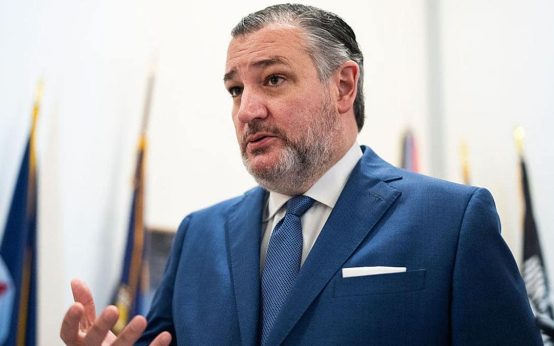 College Sports: The Debate on the Protect College Sports Act
 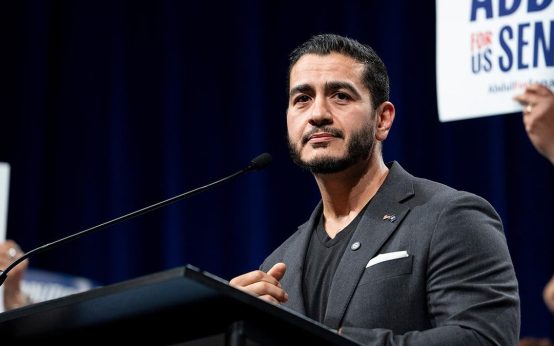 Abdul El-Sayed Criticizes Bill Maher, Seeks Dialogue
 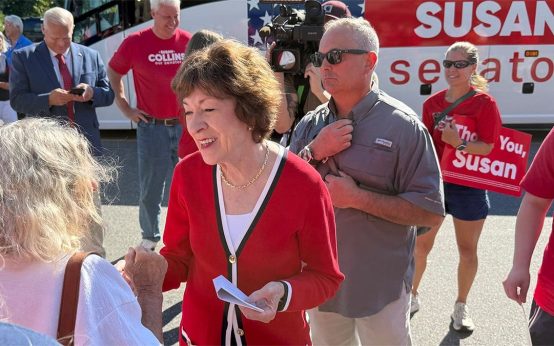 Susan Collins’ Office Vandalized Amidst Senate Race with Troy Jackson
  Trump Administration Reverses Fuel Economy Standards Amid Rising Oil Prices
  Discussion on U.S. Government Spending and Voter Opinions