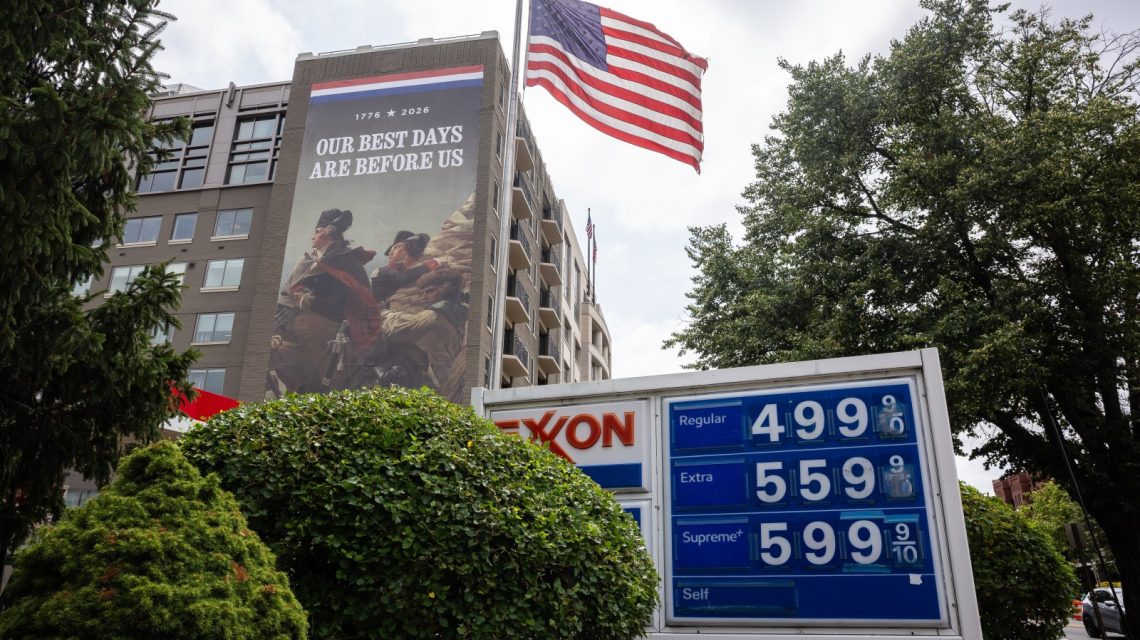
Energy and gasoline prices dropped last month, significantly easing inflation. This relieved one major economic challenge for U.S. households in 2026. According to the Bureau of Labor Statistics (BLS), consumer prices fell by 0.4 percent in June, following a 0.5 percent rise in May. This decrease was larger than analysts had predicted. It represents the most significant one-month drop since April 2020, when the Consumer Price Index (CPI) fell by 0.8 percent.
Inflation on an annual basis slowed to 3.5 percent from 4.2 percent in the previous month. Analysts had expected it to be 3.8 percent. Except for readings in April and May, this is the highest 12-month inflation figure since March 2024.
The BLS reported that the unexpected decline was largely due to energy prices, which fell by 5.7 percent in June. This was the “largest contributor to the monthly all items decrease, more than offsetting increases in other indexes including those for shelter and food.”
Gasoline costs decreased by 9.7 percent last month, though they are still 26.7 percent higher than June 2025. Meanwhile, core inflation, which excludes volatile food and energy categories, remained flat in June. It rose by 2.6 percent over the past 12 months, down from 2.9 percent in May, yet above the forecasted 2.8 percent.
This week’s inflation data gained attention due to resumed tensions between the U.S. and Iran and persistently high gas prices nationwide. These factors raised concerns that the Federal Reserve might increase interest rates in upcoming meetings. Daniela Hathorn, senior market analyst at Capital.com, indicated that a lower-than-expected inflation reading could calm investors. It suggests that the recent oil price spike has not significantly impacted overall prices, reducing worries about Fed rate hikes.
High and rising prices have become an issue ahead of the midterm elections. Surveys show declining consumer confidence and concern over gas prices, undermining trust in economic management. Despite the 5.7 percent monthly reduction in energy costs, the index is still 15.7 percent higher than last year. Other categories, like food and shelter, have also contributed to the 3.5 percent annual increase. The food index rose by 3.0 percent, with groceries increasing by 2.7 percent. The shelter index, covering housing costs, is up 3.3 percent compared with last June.
This situation is evolving, with updates expected as more details emerge.
 Maximize Savings with New Interest Rate Hikes
  Maximizing Returns with Short-Term CDs
  Debate Over Mortgage Accessibility Continues Amid Lender Standards
  Maximize Savings with the Right Interest-Bearing Account
  Wall Street Dips as AI Stocks Decline
  Wall Street Awaits Key Financial Updates from Major Retailers and Fed Meeting Insights