
Understanding the Challenges of Political Systems in the U.S.
Presidentialism combined with single-member districts often leads to increased division and power consolidation. This political framework incentivizes leaders in a way that can be detrimental to maintaining a healthy democracy.
Historically, American political development has been intertwined with the issue of political parties. While the framers of the Constitution were wary of parties, they nonetheless engaged with them. This duality has persisted through the years, reflecting a continuous tension in U.S. politics.
Democracy requires careful attention to the balance of power. The combination of presidentialism with single-member districts can upset this balance by encouraging divisive politics.
As political structures evolve, there remains a need to defend liberal democracy against emerging authoritarian tendencies. Organizations like The UnPopulist focus on this mission by shedding light on vulnerabilities within current systems.
To address these issues, it is crucial for society and policymakers to critically evaluate existing political frameworks. Promoting a governance structure that values pluralism and inclusivity can foster a more robust democratic environment.
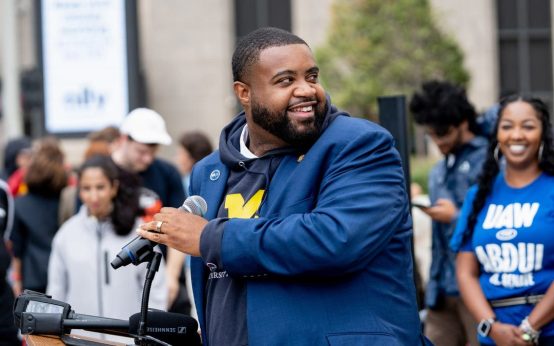 Restructuring the Left: Recent Primary Victories and Their Impact on the Democratic Party
 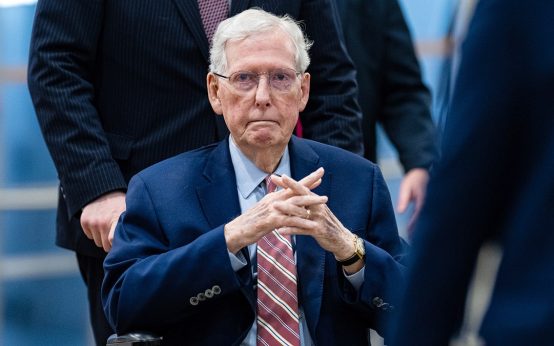 Uncertainty Surrounds Sen. Mitch McConnell’s Future in the Senate
 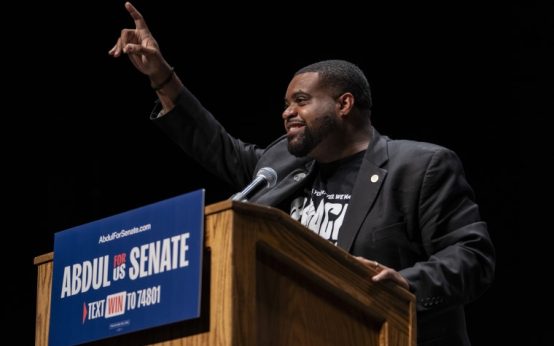 Progressive Donavan McKinney Defeats Shri Thanedar in Michigan Democratic Primary
 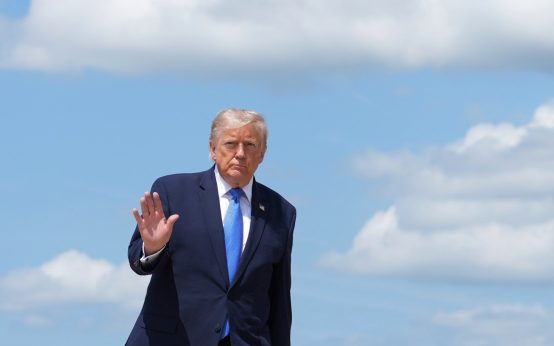 President Trump’s West Coast Tour Highlights Economic Challenges Amidst Voter Discontent
 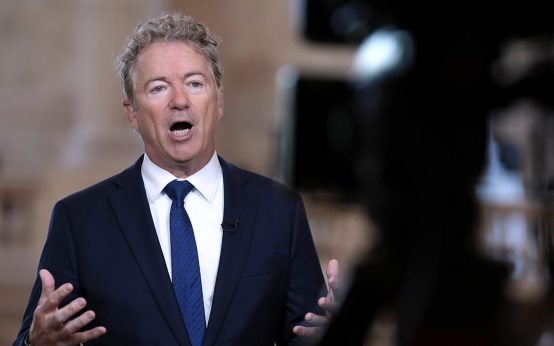 Sen. Rand Paul’s Ongoing Criticism of Dr. Anthony Fauci
  Fetterman Criticizes Growing Influence of Socialism in Democratic Party