
As midterm elections approach, many analysts believe the Democrats may regain some political power. Wall Street anticipates that President Trump will intensify some of his policies post-election.
Election Predictions
Harvard University polling suggests a 96% chance of Democrats taking the House. There is a 78% chance for Democrats to take both the House and the Senate. Observers expect changes in congressional influence, potentially impacting economic policies.
Tariff Expectations
Goldman Sachs indicates that Trump may raise tariffs if Democrats gain control. Economists Alec Phillips and Abhay Duggirala suggest that while Democrats aim to reverse some tariffs, the effect will be limited. The focus would be narrow, targeting certain countries or products like those from Canada.
“We expect President Trump to announce new tariff increases after the election that would more than offset those reductions, likely resulting in a rise in the US effective tariff rate of a little under 2pp.”
Tariffs will likely grow as a revenue source, especially given financial pressures. The Middle East conflict and high national debt add to the economic challenges.
Middle East Policy
Questions linger about the White House’s future actions in the Middle East. UBS’s Paul Donovan highlights a potential increase in aggression in the Gulf, driven by national security concerns and Trump’s legacy. A Pew Research study shows low voter approval for Trump’s handling of the Iran conflict.
“Where markets will want to focus is on the Republican reaction to the results,” says Donovan.
Republican responses may influence the president’s approach to hostilities in the Gulf.
Government Spending and Debt
The cost of military action in Iran is now $47 billion. Long-term divisions over government spending emerge as this issue persists. Deutsche Bank reports possible Republican efforts to pass a reconciliation bill to address defense spending and the debt limit. Federal government funding requires bipartisan agreement by December 11 to avoid a shutdown. Trump had signed the Continuing Appropriations and Extensions Act to provide temporary funding.
 Prince Harry and Meghan Markle’s Living Situation and Future Plans in Britain
 Election Day and Control of U.S. Congress
 Global Electoral Disputes Echo Trump’s Claims
 Political Endorsement Shift: Stevens Supports Opponent
 Palestinians Return to Damaged Homes in Hebron After Israeli Military Operation
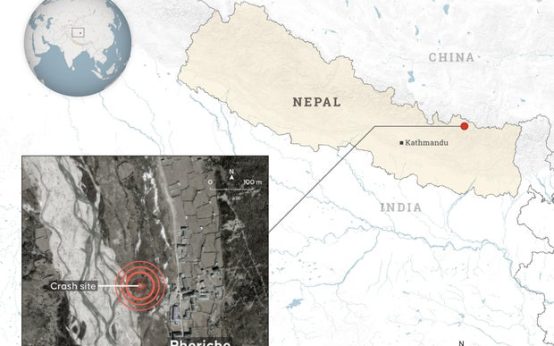 Helicopter Collision Near Mount Everest Base Camp Leaves One Dead