
Understanding the Challenges of Political Systems in the U.S.
Presidentialism combined with single-member districts often leads to increased division and power consolidation. This political framework incentivizes leaders in a way that can be detrimental to maintaining a healthy democracy.
Historically, American political development has been intertwined with the issue of political parties. While the framers of the Constitution were wary of parties, they nonetheless engaged with them. This duality has persisted through the years, reflecting a continuous tension in U.S. politics.
Democracy requires careful attention to the balance of power. The combination of presidentialism with single-member districts can upset this balance by encouraging divisive politics.
As political structures evolve, there remains a need to defend liberal democracy against emerging authoritarian tendencies. Organizations like The UnPopulist focus on this mission by shedding light on vulnerabilities within current systems.
To address these issues, it is crucial for society and policymakers to critically evaluate existing political frameworks. Promoting a governance structure that values pluralism and inclusivity can foster a more robust democratic environment.
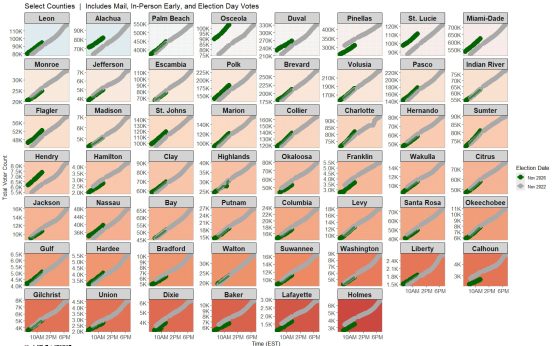 2026 Midterm Elections: Key Developments
 US to End Military Aid to Israel, Data Center Ballots, Fox News Viewership, Adventurer’s Return, Harvard Suit Dismissal, Florida Polling Changes, Iowa Event Ruling
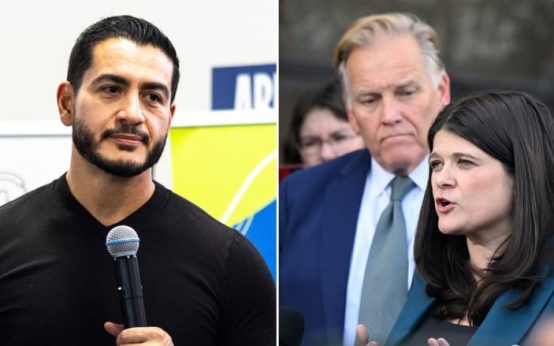 Key Election Day Updates Across the U.S.
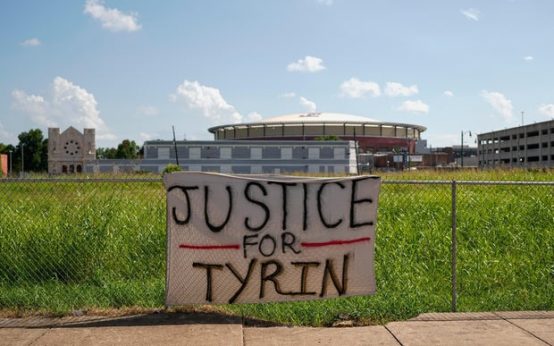 Investigation Into Memphis Shooting Involving Tennessee National Guard
 Midterm Election Predictions and Expected Policy Shifts
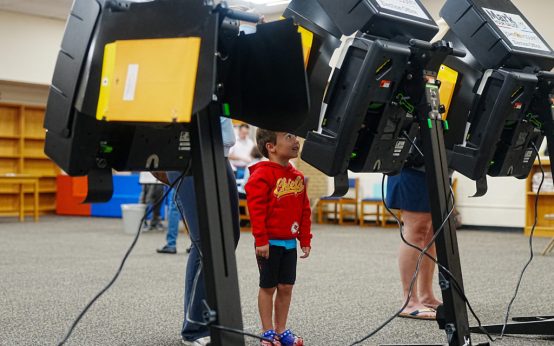 Election Day and Control of U.S. Congress