
The interaction between wildfires, their resulting smoke, and rapidly changing weather conditions adds a layer of uncertainty to upcoming forecasts. Recent observations in Manhattan highlight this issue.
On Thursday, smoky air hovered over the city, impacting outdoor activities like pickleball. Although there was some relief early Friday, the ever-altering weather patterns suggest a potential return of the smoke.
Accurately predicting wildfire smoke behavior remains complex. Current weather models face difficulties as they attempt to account for multiple dynamic factors. Meteorologists must analyze the interactions between the smoke, active fires, atmospheric winds, and potential thunderstorms. Each of these elements has its challenges and can significantly affect the overall forecast.
Upcoming Weather Shifts
This weekend presents a particular challenge. Shifts in the steady weather pattern responsible for a persistent flow of smoke across Canada and the United States are expected to begin on Friday. The specifics of these changes make the coming days highly unpredictable.
Challenge 1: Wildfire Intensity
The primary challenge is assessing how intense the wildfires will become. On Tuesday, smoke concentrations increased significantly compared to previous days due to favorable weather that encouraged rapid wildfire expansion. These fires burned intensely, producing their own localized weather systems and releasing dense smoke into the air.
As the situation continues to evolve, meteorologists must remain vigilant, adapting to new data and patterns that may arise. The complexity of the situation underscores the importance of updated and accurate forecasts for public safety and planning.
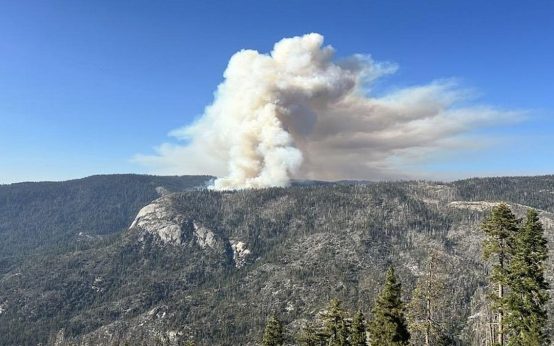 Helicopter Crash Claims Lives of Two Firefighting Pilots in Yosemite
  Cold Weather Alerts and El Niño Influence
 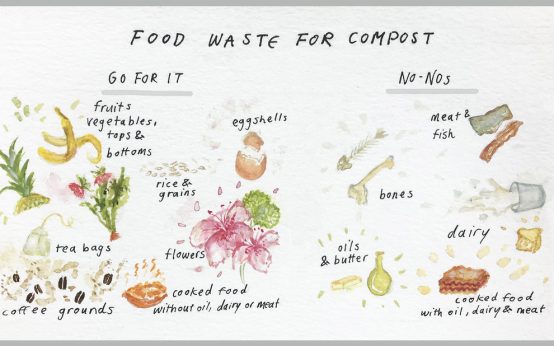 Turning Home Food Waste into Compost: A Guide
  Chicagohenge: When Sunlight Aligns with City Streets
 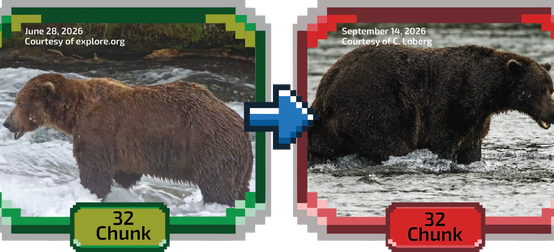 Fat Bear Week 2026: A Look at the Contest and Its Competitors
  California Governor Declares Statewide Emergency Ahead of El Niño Storms