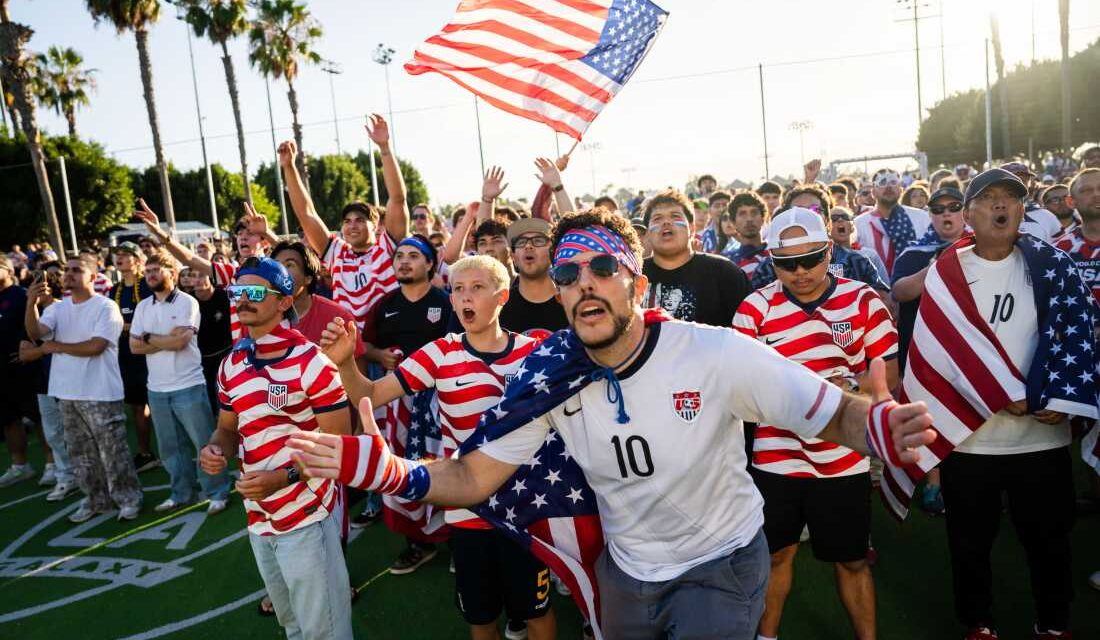
During the World Cup in 2026, fans gathered in large numbers at various venues to support their favorite teams. One notable watch party was held in Carson, California, for the match between the United States and Bosnia, captured by photographer Ethan Swope. In Chicago, a bar in the West Loop became a hotspot for soccer enthusiasts, thanks to efforts by the Chicago Fire Soccer Club.
For five weeks, this bar hosted one of the biggest World Cup watch parties in the country. Lines frequently stretched around the block as fans flocked to catch key matches. By the tournament’s end, it’s estimated over 60,000 people had visited to experience the World Cup atmosphere.
MLS Strategy for Growth
Major League Soccer (MLS) sees the World Cup as a major growth opportunity. Hosting the 1994 World Cup was pivotal in establishing soccer’s popularity in the U.S. It led to the formation of MLS and increased awareness of the sport. From its start with 10 teams in 1996, the league expanded to 30 teams, matching other major U.S. sports leagues.
All MLS games are now televised on Apple TV, expanding viewership. As the league looks to make 2026 a transformative year, they launched a significant marketing campaign with the slogan, “Thanks World. We’ll Take It From Here.” The campaign includes a commercial featuring star player Lionel Messi, boosting the league’s profile further.
Promotion and Engagement
The Chicago Fire invested nearly $3 million in a Chicago bar called Recess to create a vibrant World Cup viewing experience. The setup includes a massive jumbotron display and various promotion materials. The strategy aims to convert casual spectators into soccer fans by offering an engaging experience, akin to the allure of a Costco sample — unexpected yet desirable.
MLS clubs are also running promotions like “First Match on Us” and “Next Match On Us.” These offer free tickets to first-time attendees to spark interest and engagement with the sport.
Changing Perceptions
Brian Bilello, president of the New England Revolution, notes a shift in attitudes toward soccer. In the 1990s, American sports fans were dismissive. Today, there is wider acceptance. The Revolution capitalized on this shift by hosting World Cup matches and other significant games, drawing in both dedicated soccer followers and casual sports fans.
Lionel Messi’s Impact
Lionel Messi’s involvement with MLS significantly enhances the league’s appeal. Since joining Inter Miami CF, both attendance and viewership have increased. His dedication and performance refute any notion that he joined MLS for retirement. Instead, he remains highly competitive and continues to attract attention.
Messi’s success in the World Cup also serves as an advertisement for MLS. His achievements may inspire more players to consider MLS, enhancing the competition level and attracting more fans.
Leveraging World Cup Facilities
MLS proactively participated in the U.S. bid for the 2026 World Cup. They ensured MLS facilities were integral to the event’s planning. Many World Cup teams chose MLS facilities for training, which demonstrated the quality available in the league. Key teams like Argentina and Brazil trained at MLS centers, showing players MLS’s potential.
The goal is to enhance MLS’s reputation by showcasing its facilities and infrastructure. Positive experiences could encourage top-tier players to join the league, enhancing the level of play.
Improving player quality in MLS is essential for attracting more fans who prefer established European leagues. With progress, MLS aims to offer a comparable level of competition to these international leagues.
 Lane Kiffin’s Emotions and Rams’ Strategic Adjustments
  Chicago White Sox Face Crucial Stretch at Season’s End
  Philadelphia Eagles Triumph Over Tennessee Titans, Concerns Arise for Offensive Performance
  Final Week Tensions Rise for Blue Jays and Orioles in Baseball Season
 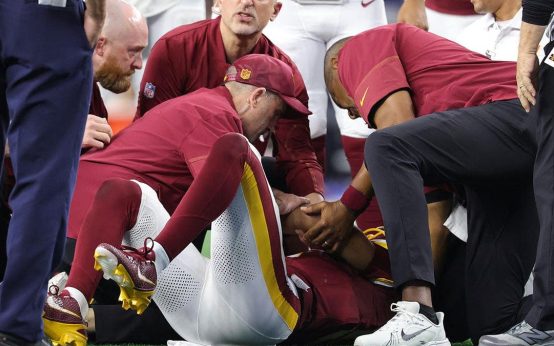 Washington Commanders Face Uncertainty with Daniels’ Injury
 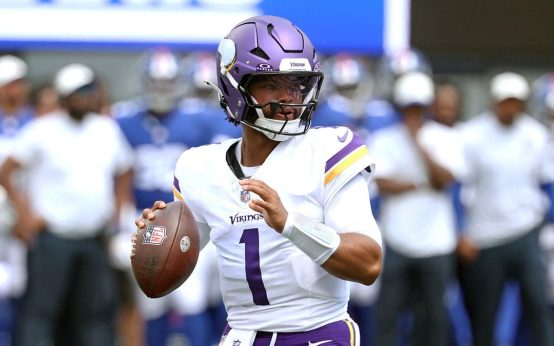 Kyler Murray Returns as Starting Quarterback for the Minnesota Vikings