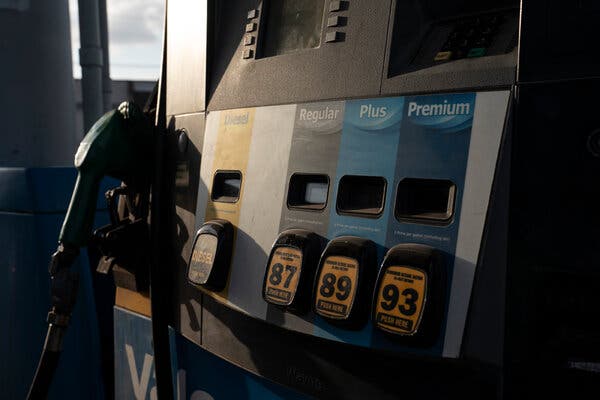
Drivers recently experienced a brief relief at the pump following a deal between the U.S. and Iran that aimed to reopen the Strait of Hormuz. However, prices are climbing once again.
On Monday, the average gasoline price in the United States reached $4 per gallon, according to the AAA motor club. This increase follows renewed tensions in the ongoing conflict with Iran, affecting shipping and impacting global refineries.
The price has risen by 13 cents from a week ago when it averaged $3.87 nationwide. This marks a return to elevated prices experienced earlier this year. In March, after the U.S. and Israel launched an attack on Iran, average gas prices in the U.S. reached $4 per gallon. Prices surpassed $4.50 in May before slightly declining after a tentative cease-fire agreement with Iran.
The preliminary accord did not last, leading to renewed hostilities. The U.S. reinstated a naval blockade on Iranian ports in the Strait of Hormuz, a crucial route for oil and gas transport. This blockade, coupled with tensions in the region, has significantly disrupted shipping, driving energy prices upward.
Brent crude, an international oil benchmark, rose to $90 a barrel on Monday, marking its highest level in over a month. Similarly, West Texas Intermediate, the U.S. oil benchmark, stood at $82 per barrel.
Diesel prices have also surged. On Thursday, diesel prices exceeded $5 a gallon, marking a 33 percent rise since the conflict’s onset. On Monday, diesel prices averaged $5.11 per gallon, up about 23 cents from the previous week.
There is variation in gasoline prices across different states. In many Southern states, prices are closer to $3.60 per gallon, while California sees prices around $5.50 per gallon.
This rise in energy costs presents a challenge for President Trump as the November midterm elections approach. Economic concerns are significant for many voters.
The White House highlighted recent economic data showing a decrease in consumer prices in June, although they were still 3.5 percent higher compared to the previous year. President Trump remarked that prices are declining and emphasized the administration’s efforts ahead of the midterm elections.
Contrarily, July has shown an increase in prices. Beyond oil cost increases tied to Middle Eastern conflict, several factors are contributing to price pressures. U.S. refineries are operating at high capacities with low inventories. Additionally, there’s increased gas demand driven by summer travel.
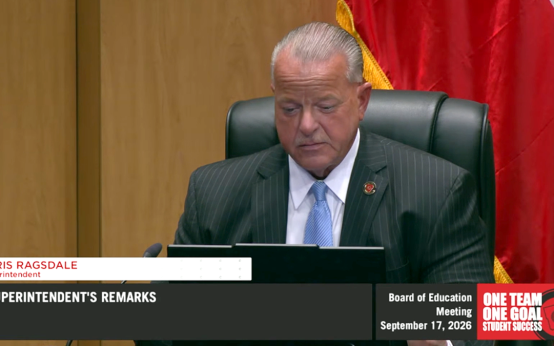 Controversial Removal of ‘The Bluest Eye’ from Georgia School Libraries
 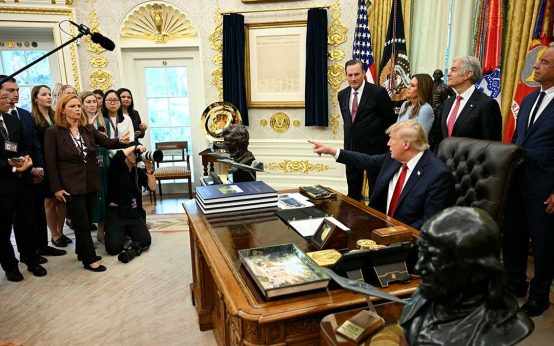 Legal Battle Over Media Ban at White House
  Kyler Murray Cleared from Concussion Protocol, Set to Start Against Buccaneers
  Fat Bear Week: A Unique Annual Tradition at Katmai National Park
  Chicago Faces Lingering Cloudy Weather After Heavy Rainfall
 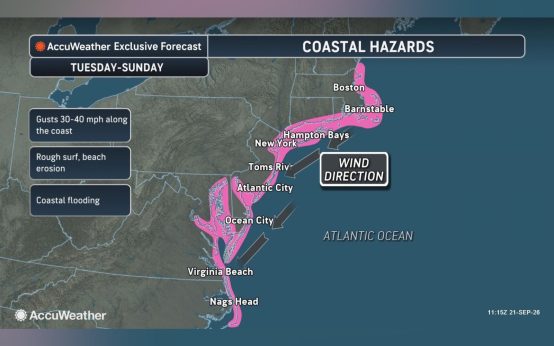 Nor’easter Threatens East Coast with Heavy Rain and Strong Winds