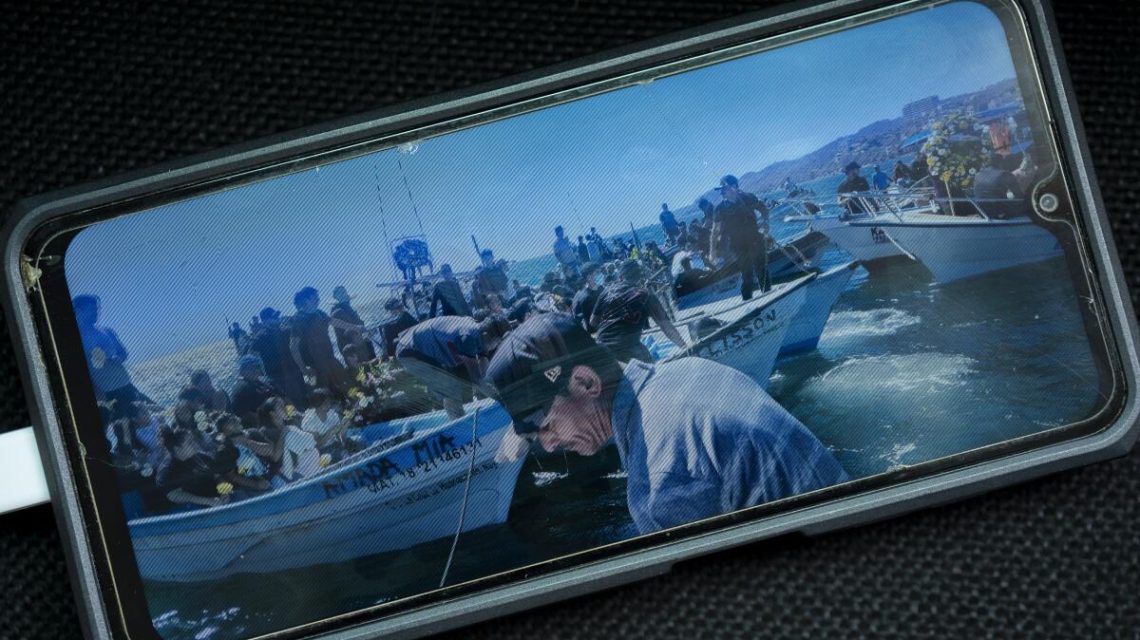
Early one February morning, eight fishermen set out from Mexico’s Pacific coast. They never returned. They were hired by drug traffickers to help smuggle cocaine but reportedly died after U.S. military missile strikes in the Pacific. Videos released by the U.S. showed strikes allegedly killing ‘narco-terrorists.’
Washington had threatened military action against cartels in Mexico. Mexican President Claudia Sheinbaum opposed this, asserting no foreign military actions on Mexican land. Despite this, U.S. strikes have hit Mexican vessels in international waters. A Times investigation reported the February strikes killed fishermen from La Cruz de Huanacaxtle, sowing fear among legal fishers of mistaken targeting. Father Rigoberto Cruz acknowledged the deceased knew the risks involved in their illegal work.
The Trump administration has executed 64 strikes on alleged drug boats, with 221 casualties since September. Human rights advocates oppose these actions as ineffective and illegal. While other Latin American casualties were widely reported, Mexican deaths were largely unaddressed by their government and unnoticed internationally.
The U.S. has not disclosed strike locations but confirmed their occurrence in international waters. Mexican authorities assert no attacks within their Exclusive Economic Zone, extending 200 nautical miles offshore. The Mexican Foreign Ministry claims no knowledge of citizens killed in these actions. Yet, families of missing mariners have indirectly learned about strike-related deaths.
The ethical dilemma over the U.S. strikes involves interviews with citizens of La Cruz de Huanacaxtle. It was common for fishermen to transport fuel for drug traffickers. They owned newer homes and vehicles, signifying additional illicit work income. When men left on February 16 from Punta Pérula, known for the Jalisco New Generation cartel, the U.S. launched strikes later that day. A sea memorial followed, with mourners on boats paying respects.
Mexico’s lengthy coastline has long seen locals engage in drug transportation to supplement fishing livelihoods. Marbella Para Amador of Puerto San Carlos describes generational participation in the trade, although her husband entered this field only from economic desperation. His death, presumably by U.S. action, lacks official confirmation. U.S. strikes were reported on multiple dates corresponding with his disappearance.
Enrique and Kikín Meza, also from Puerto San Carlos, perished in a separate strike in March. Para Amador acknowledges their likely illegal actions but questions the justification for lethal force.
Journalist Agustín Del Castillo noted traffickers exploit fishermen’s unstable finances, modernizing boats in exchange for illicit favors. Fear of cartel backlash often silences affected communities.
After Mexican authorities killed cartel leader Nemesio Oseguera Cervantes, also known as El Mencho, blockades symbolized cartel control, as Del Castillo indicated.
In October, U.S. strikes were near Mexico as Sheinbaum reported a failed search for survivors. She announced efforts to collaborate with Mexico’s navy to intercept drug vessels near its coast. Her government announced increased drug seizures and arrests in maritime operations, affecting individuals from Ecuador, Guatemala, and Colombia.
Despite continued bombing campaigns, Mexican leaders seemingly avoid confrontations with Trump administration policies. Analysts caution on normalized U.S. unilateral military interventions in Latin America, with land strikes on cartels as potential future actions. Trump expressed desires to target cartels more broadly, declaring them terrorists. The White House asserts military target legitimacy in its war on drug trafficking.
The U.S. military has defended the strikes, yet many dispute their legality and effectiveness. Cocaine street prices and smuggling activities remain largely consistent despite military interventions.
Fishermen in La Cruz de Huanacaxtle argue that the deceased, engaging in illegal activity but unarmed and only carrying fuel, didn’t qualify as terrorist threats. They express anxiety, fearing mistaken targeting while fishing offshore. Each plane overhead stirs worries of becoming unintended casualties.
 U.S. Air Force Withdraws Bomber Aircraft from UK Base
  Former U.S. Ambassador to Greece Faces Ethical Violation Allegations
 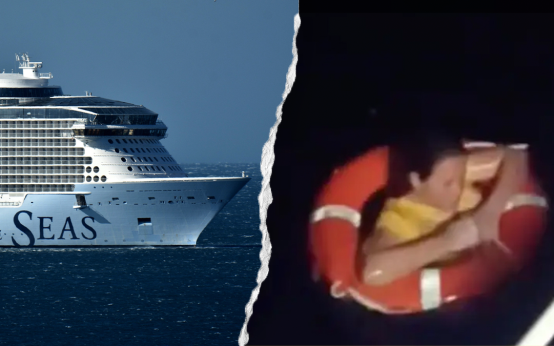 Woman Rescued After 20 Hours at Sea from Royal Caribbean Cruise
 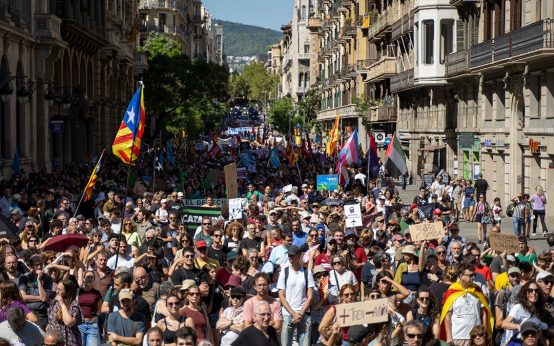 Increasing Tensions Over Tourism and Housing in Spanish Cities
 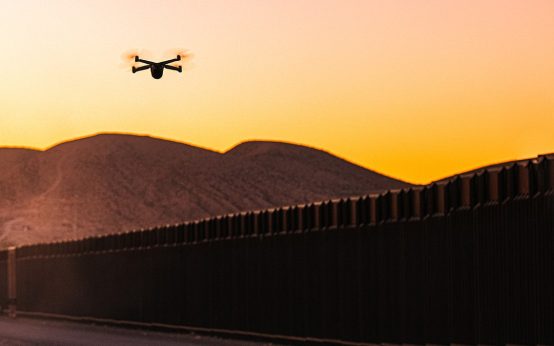 Mexican Cartels Use Drones to Challenge U.S. Border Security
  Climate Change Impacts on Child Marriages