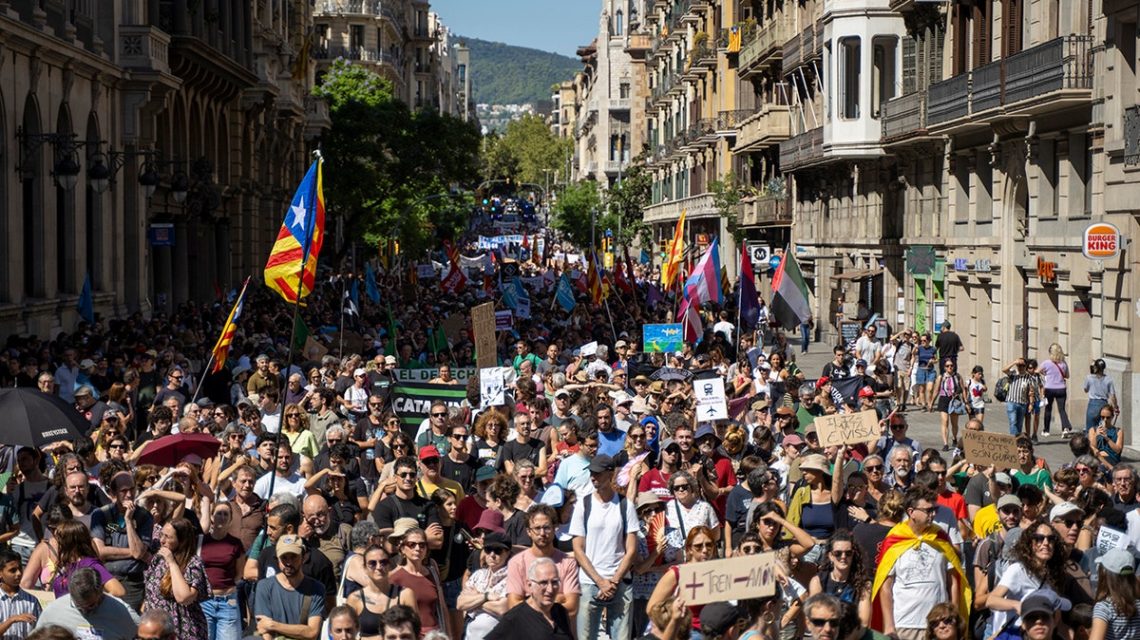
Spain is experiencing rising tensions between tourists and local residents, particularly in cities like Barcelona and Madrid. Recent protests have seen hundreds of thousands of locals taking to the streets, voicing their concerns over steep housing costs. The escalating prices have been linked to short-term vacation rentals, an issue that Barcelona Mayor Jaume Collboni has acknowledged publicly.
Locals claim that mass tourism has driven them out of their homes, with real estate firms converting apartments into profitable vacation properties. Spain’s Prime Minister, Pedro Sánchez, recently addressed these issues at an event in Barcelona.
“Finding an apartment in Barcelona definitely gave me a better understanding of how competitive the housing market can be,” said Jordi Lippe-McGraw, a travel writer who moved there from New York City six weeks ago. “There’s a lot of pressure on available housing.”
The protests not only highlight economic concerns but also environmental ones. In September, demonstrations opposed the expansion of Barcelona-El Prat Airport due to these issues. According to the Barcelona Tourism Observatory, the region welcomed 26.1 million visitors in 2025, resulting in $15.4 billion in direct tourism expenditures. The public outcry has been both loud and determined.
To address these issues, both federal and local governments are making changes. José Antonio Donaire, the commissioner for sustainable tourism, explained that Barcelona has been reevaluating its tourism approach. “But the message of the city now is: Not one tourist more,” he noted.
One poignant symbol of the housing crisis was the eviction of María del Carmen Abascal, an 87-year-old pensioner whose death spurred thousands to protest in cities like Madrid, Valencia, and Malaga in October.
A significant point of contention is short-term vacation rentals. On April 1, Barcelona implemented a city surcharge of $5.60 (€5.00) combined with the regional Catalan tourist tax. This raised the total overnight tax for hotel guests to between $7.84 (€7.00) and $13.44 (€12.00). The city council also aims to limit short-stay cruise tourism.
Despite the tension, some areas remain unaffected. Lippe-McGraw noted that her residential neighborhood is largely shielded from local protests. She acknowledged the challenge of balancing tourism by saying, “How do you decide who is allowed to come and see Venice or see Barcelona versus who is not?”
Even with overcrowded tourist spots, Lippe-McGraw has experienced kindness from locals. “Everybody has been welcoming us, even in day-to-day interactions at the store, at the pharmacy, and dealing with a plumber,” she shared. She emphasized the value of engaging with the culture and language to bridge any gaps.
 Ukraine’s Satellite Access Crisis: Starshield Restrictions and Implications
 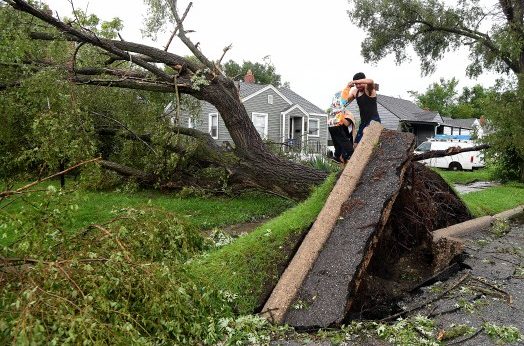 Hurricane Trudy Approaches Mexico’s Pacific Coast
  ADL Criticizes Wikipedia for Failing to Address Bias in Israel-Related Content
 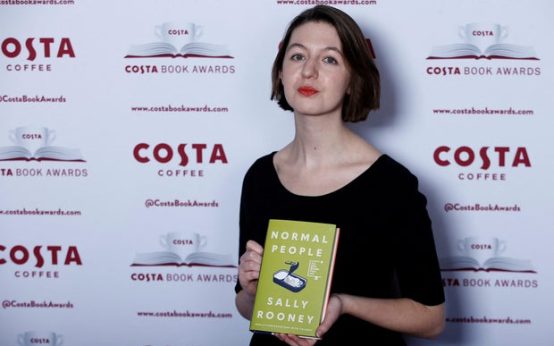 Sally Rooney’s Books Pulled From UK Shelves Over Support For Palestine Action
  U.S. Military Expands Operations in Latin America
  Salvadoran President’s Plan for Conditional Early Prisoner Release