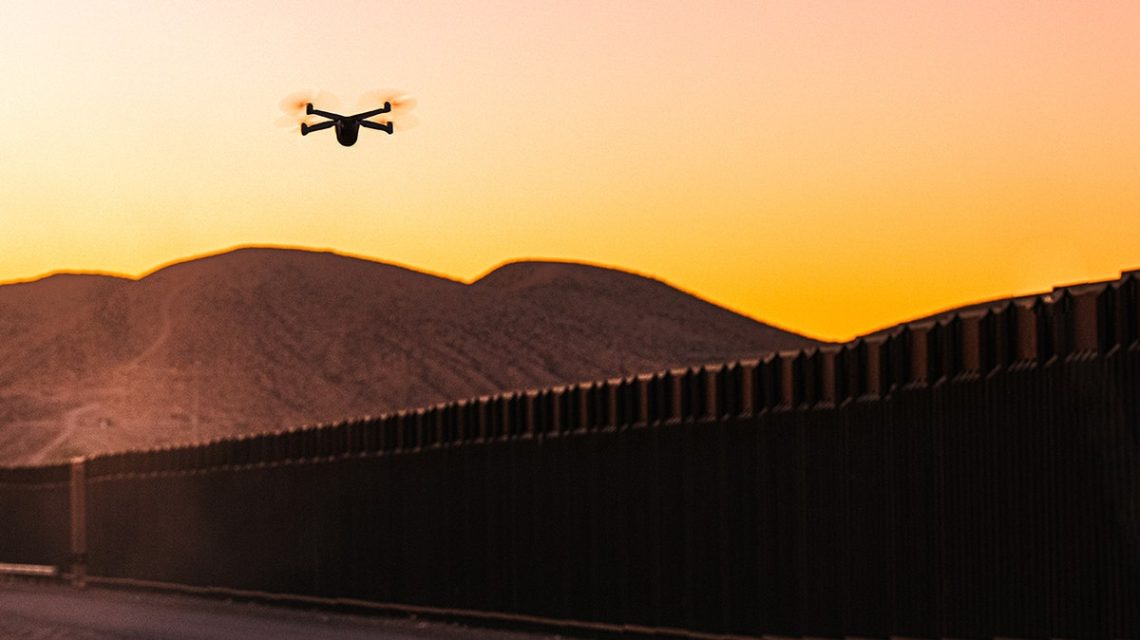
Increased Drone Activity at the U.S.-Mexico Border
Mexican cartels have begun employing commercial and modified drones to surveil U.S. security personnel, map patrol routes, and bolster smuggling efforts along the southern border. In the past month, the U.S. military identified 378 drone incursions, indicating a rising trend in this tactic. These drones, typically commercial models equipped with cameras, are integral to smuggling and human trafficking operations.
Austin Doctor, a strategic lead at the National Counterterrorism Innovation, Technology and Education Center, highlighted the primary use of these drones for surveillance and reconnaissance. Cartels are analyzing U.S. security operations to facilitate smuggling.
Efforts to Counter Drone Threats
Authorities are countering by authorizing law enforcement, such as in Arizona, to down drones suspected of criminal involvement at the border. U.S. Customs and Border Protection (CBP) recognized the persistent threat from advancing Unmanned Aircraft System (UAS) technologies, including their use in counter-surveillance, illicit smuggling, and potential attacks.
Data from CBP showed detection of over 42,000 drone flights near the border in fiscal year 2025 and over 37,000 in fiscal year 2026. To combat this, the Department of Homeland Security has granted Counter-UAS authorities to CBP, covering the southwest border and areas extending 100 miles inland for drone detection, tracking, and mitigation.
Innovations and Expansions in Drone Use
Doctor explained that while commercial drones are predominant, more sophisticated technology is emerging, including larger agricultural drones. These advances aim to increase payload, resist countermeasures, and enhance operational functionality. Surveillance and logistics remain the focus at the border, while weaponized drones are more common within Mexico.
The Jalisco New Generation Cartel (CJNG) is identified as a significant innovator in drone technology. Although drone usage is widespread among various cartels, their roles often include reconnaissance and kinetic attacks on rival factions and security forces.
Documented Incidents and Government Responses
Notable instances occurred in Reynosa, Tamaulipas, where authorities seized drones, explosives, and related equipment reportedly linked to the Los Metros faction of the Gulf Cartel. Additionally, in Baja California, a drone attack targeted an anti-kidnapping office in Tijuana, damaging property but causing no injuries.
Mexico is responding with interdictions, expanded counter-drone technology, military operations, and stricter penalties. Initiatives like the Águila Alta operation have sought to neutralize drone threats, resulting in detentions and equipment seizures.
Ongoing Challenges and Future Outlook
Joint efforts involving Mexico’s military deployments and U.S. intelligence sharing aim to deter drone activity. The effectiveness of these measures remains unquantified, but efforts persist to strengthen detection and response capabilities.
Doctor cautioned that while counter-drone measures are essential, cartels are likely to continue adapting their tactics. The ongoing challenge remains significant as both countries strive to address security threats at the border.
 Climate Change Impacts on Child Marriages
  Ebola Outbreak Updates: Kenya and Democratic Republic of the Congo
  Ukraine Urges SpaceX to Lift Satellite Restrictions Amidst Military Operations
  Pope Leo XIV’s Surgery and Recovery Journey
  Costa Rica Investigates Homicide of American Citizen
  Challenges Surrounding Nobel Peace Prize Decisions