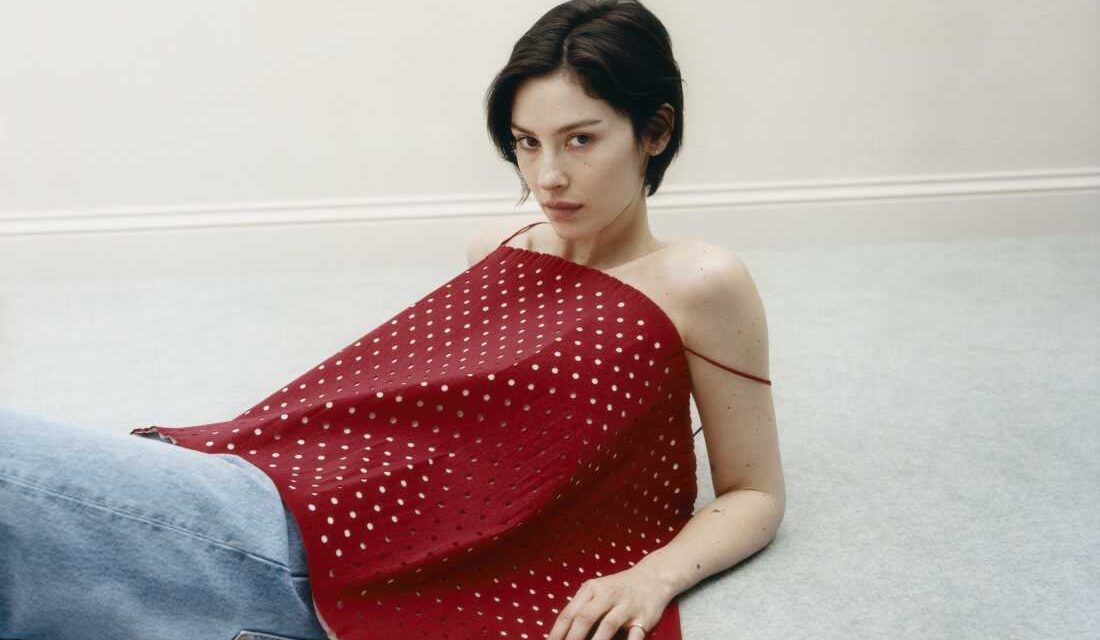
Gracie Abrams is a figure of emotional complexity and youthful potential. Her third album, Daughter from Hell, continues to explore the intense dynamics of growing up. Appearing on high-profile platforms like The Tonight Show and collaborating with celebrities, Abrams embodies both the strength and uncertainty of being a rising talent in today’s music scene.
Abrams’ expressive face often communicates more than words. Her facial gestures—moving eyebrows, mouth adjustments, and chin movements—reveal her thought process and emotional transitions. She could be an accomplished actor, yet her chosen path is music. Her style of writing and performing resonates with many young women, speaking to the difficulties and triumphs of emerging adulthood. At the same time, critics point to her style as vague, and her background as the daughter of J.J. Abrams and Katie McGrath has sparked debates on privilege.
Cultural Context and Critique
The discussion around Abrams’ work mirrors historical debates about singer-songwriters. Since the 1970s, artists have balanced between being relatable and criticized for lacking depth. Abrams’ new album elicits mixed reactions, echoing the past experiences of artists like Carly Simon, who also emerged from a privileged background. Simon’s early career also faced scrutiny, yet she pushed through to become a celebrated artist.
Abrams’ connections to the entertainment world have influenced her journey. She grew up in a creative environment, surrounded by influential individuals. Her collaborations, including with her former boyfriend and her peers, shaped her music. This background generates both interest and skepticism, as she straddles the line between origin and originality.
The Musical Journey
Like Carly Simon before her, Abrams crafts her music within the sphere of privilege, yet she questions and challenges it. Her lyrics address themes of relationships and industry challenges, paralleling Simon’s own navigation through familial and cultural expectations. This blend of personal and artistic exploration captivates Abrams’ audience and provokes dialogue.
Abrams’ style—marked by emotional expression and bold choices—distinguishes her from contemporaries. Despite comparisons to Taylor Swift and Phoebe Bridgers, Abrams’ musical approach embodies a distinct vulnerability. Her collaborations with producer Aaron Dessner highlight her ability to merge intimacy with experimental sounds.
Future Prospects
Currently in a developmental stage, Abrams is honing her artistic identity. Her music reflects a journey toward deeper thematic expressions. While she hasn’t yet produced enduring anthems like Simon, she possesses the ambition to achieve similar acclaim. As Abrams matures, her potential to refine and expand her expressive range remains promising.
 Rhiannon Giddens on Music, Heritage, and Hope
  Sylvan Esso Returns to Spotify After a Year of Protest
  Presley Gerber’s Life Remembered After Tragic Passing
  Paramount Reaches Agreement to End California Antitrust Dispute
  Princess Diana’s Brother Accuses King Charles of Gaslighting
  Model Presley Gerber Passes Away at 27