
The United States, under President Donald Trump, has announced a new 50% tariff on most Canadian imports. Trump accuses Canada of unfair practices against American autos, alcohol, and dairy products. This decision may lead to increased inflation and deteriorating relations between the two neighboring countries.
An administration official, who chose to remain anonymous, outlined the reasons behind the move, noting that Canada, along with China, had responded to Trump’s previous tariffs. To initiate the new tariffs, Trump signed three proclamations under Section 338 of the 1930 Trade Act. Some Democratic lawmakers previously sought to repeal this section, fearing its potential to destabilize the economy.
The new tariffs, set to take effect in 30 days, will exclude energy products, potash, fish, and critical minerals. However, they include goods previously protected from import taxes under the United States-Mexico-Canada Agreement (USMCA). As the 2020 trade accord was not renewed by the U.S., negotiations are expected to continue until 2036. The White House stated negotiations could occur since Trump has sometimes not followed through on his announced tariffs.
“We believe in the benefits of free and fair trade,”
Canadian Prime Minister Mark Carney said, expressing readiness to negotiate with the Trump administration. Carney highlighted that the trade dispute has raised costs for families, particularly in the U.S., and said Canada is prepared for intensive talks with the U.S.
Ontario Premier Doug Ford suggested a retaliatory approach if the tariffs proceed, proposing Canada respond proportionally. Candace Laing, CEO of the Canadian Chamber of Commerce, emphasized the need for progress during the 30-day window before tariffs are enforced. Similarly, Chris Swonger, CEO of the Distilled Spirits Council, advocated for solutions to restore market access for U.S. spirits and mitigate harm to the U.S. hospitality sector.
Scott Lincicome of the Cato Institute voiced concerns about the broader economic impact, as tariffs might apply to other countries as well, exacerbating global economic uncertainty. He described invoking Section 338 as a drastic measure by Trump.
Despite potential economic drawbacks, Trump sees these tariffs as strategically necessary. His administration previously faced legal challenges regarding tariff imposition, forcing them to explore alternative legal avenues. Tariffs, being import taxes, are typically passed on to consumers as higher prices. Critics argue these measures might adversely affect the industries Trump intends to defend.
Democratic Representative Suzan DelBene warned that the tariffs could increase costs for American families and provoke retaliation against U.S. industries. Trump, who promised to lower prices during his presidential campaign, experiences rising inflation rates influenced by tariffs and geopolitical tensions, including the conflict in Iran.
Trump’s administration remains focused on trade disputes with Canada, including enforcing tariffs over issues like air quality from Canadian wildfires. While Trump and Carney recently attended the World Cup final, the event did not include trade relationship discussions.
Lastly, Trump argues that Canada imposes unfair practices against U.S. products like autos, alcohol, and cheese, claiming Canada discriminates against American goods compared to other nations. The frosty relationship between Trump and Carney further complicates negotiations, with underlying tensions evident in public statements.
As the situation unfolds, both nations face economic decisions that could influence future trade dynamics.
 Federal Appeals Court Decision Against Trump’s ‘Third-Country’ Deportation Policy
  Ed Sheeran’s Philadelphia Concert Amid Controversy
 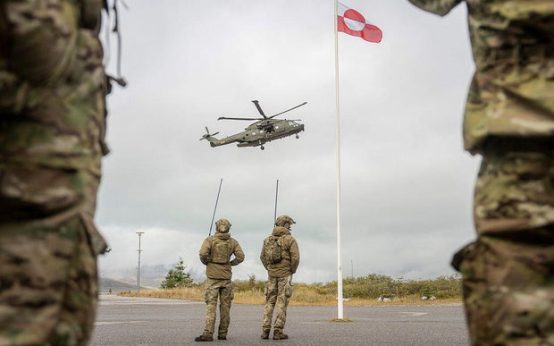 U.S. Secures Strategic Control Over Greenland
  U.S. Security Agreement in Greenland Sparks Optimism and Concerns
  Impact of Gender-Based Violence in South Africa
  UNIFIL Operations in Southern Lebanon Amidst Ceasefire Challenges