
In the political landscape, climate opinion often defies simple party labels. A young Republican may support solar power initiatives, recognizing the potential of renewable energy sources, but reject a carbon tax, viewing it as economically restrictive. Meanwhile, among Democrats, there is agreement on the reality of climate change, yet differing opinions can arise over policies like charging extra for exceeding energy limits, hinting at a more complex spectrum of views.
The Conversation, a nonprofit news platform, offers insights from researchers and scientists to illuminate these complexities. The story highlights how individuals make environmental choices not strictly aligned with party affiliations. Political identity does not always predict a person’s stance on specific environmental policies.
When examining these differences, it becomes clear economic and personal values shape viewpoints. A Republican’s stance on solar might stem from an economic perspective, seeing potential financial benefits. Similarly, opposition to a carbon tax might reflect concerns about economic impacts on businesses and households.
On the Democratic side, support for recognizing climate change as an issue is widespread, yet actionable solutions can divide. Policies perceived as economically burdensome may face resistance, even among those who agree on climate science.
Understanding these nuances is crucial. Instead of oversimplifying climate policy debates into party lines, it’s beneficial to explore individual motivations. This approach can lead to more inclusive and effective climate strategies that consider diverse perspectives.
 Challenges in California’s Home Insurance Market
  Race Against Time: Preserving Quinhagak’s Archaeological Heritage
  Managing Drying Rivers: The Need for New Approaches
 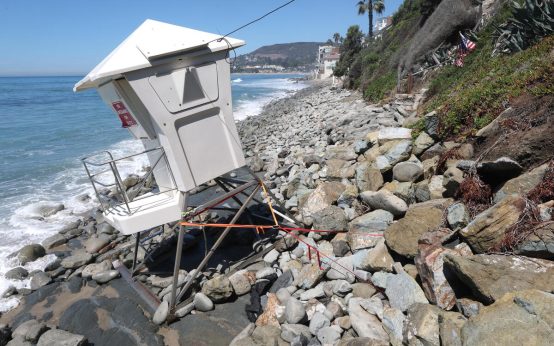 Coastal Damage from Kelvin Waves and Rising Sea Levels in Southern California
  Heat Dome Tightens Over South-Central US with Triple-Digit Temperatures
 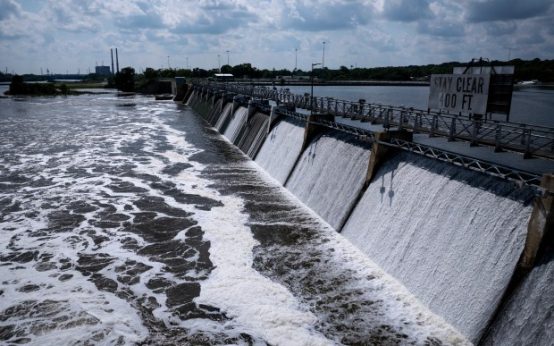 Army Corps Resumes Construction on Brandon Road Lock and Dam Project