The Houthi rebels, backed by Iran, claimed responsibility for attacking two Saudi oil tankers in the Red Sea, escalating the ongoing conflict. This attack affected the international oil market, causing prices to surpass $100 per barrel briefly. The global economy is under stress from the recent tightening of key trade routes, after Iran closed the Strait of Hormuz.
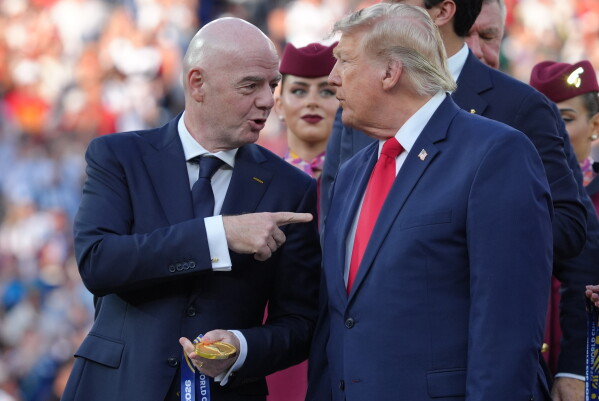
President Donald Trump threatened forceful retaliation if these attacks continue, holding Iran accountable due to its connection with the Houthis. As tension grows, the economic impact is apparent, with Brent crude oil prices rising by about 6%. A previously established peace agreement between the conflicting sides has now fallen apart.
Iraqi Prime Minister Ali al-Zaidi, who maintains ties with both the U.S. and Iran, visited Tehran seeking to promote peace and dialogue. Gulf states remain doubtful of a resolution, but efforts for de-escalation involve Turkey, Pakistan, and regional countries.
The Houthi SABA news agency reported that their forces targeted two tankers, Encelia and Layla, resulting in fires but no casualties. The attacks are the first since the rebels declared a blockade against Saudi-associated shipping in retaliation for a blockade imposed by Saudi Arabia on Yemen.
The Bab el-Mandeb strait, near the Arabian Peninsula’s southern tip, is crucial for global trade, connecting the Red Sea to the Gulf of Aden. Around 12% of world trade passes through here, using the Suez Canal route between Europe and Asia. The United Kingdom Maritime Trade Operations Center noted a tanker being struck southwest of Al Shuqaiq, Saudi Arabia.
Oil shipments from Saudi Arabia’s Yanbu port in the Red Sea are under threat, adding to challenges already present in the Strait of Hormuz, according to Lloyd’s List Intelligence. Saudi Arabia has redirected oil exports via an overland pipeline due to constrained access.
Iran and the U.S. are at odds over the Strait of Hormuz, where Iran seeks control and potential levy rights. Meanwhile, U.S. forces aim to maintain its openness for global trade. This has led to widened U.S. military actions to limit Iran’s capacity to endanger civilian vessels. The rhetoric from both nations’ leaders reflects the rising stakes, with mentions of increased military penalties.
Reports highlight a U.S. missile strike claiming lives near the Iran-Iraq border, as Iran directs attacks against Gulf countries’ energy infrastructure. Jordan intercepted several missiles, while drones targeted Kuwait’s border, apparently at Iran’s direction following U.S. military actions.
 Calls Grow for Ireland’s Soccer Team to Boycott Matches Against Israel
 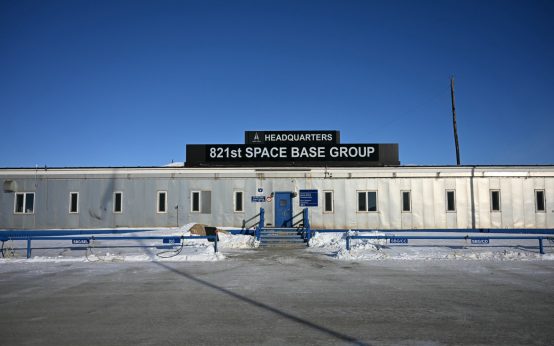 New U.S. Military Bases Planned in Greenland Amid Strategic Security Deal
  Twitch Streamer Hasan Piker Discusses Controversial Commentary
  A Shifting Political Landscape: The Decline of Autocratic Power
  Trump Delivers Warning to Iran, Cuba at UN General Assembly
 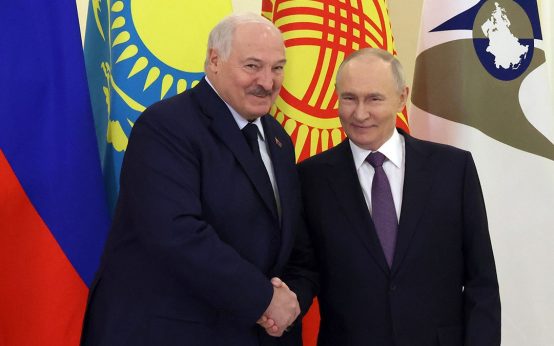 Lukashenko and Putin’s Unique Relationship and Belarus’ Strategic Role