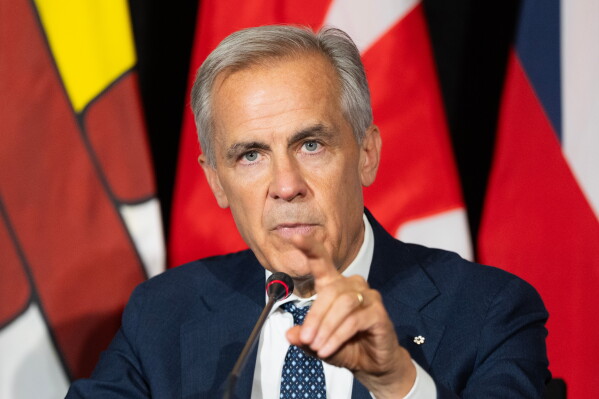
President Donald Trump is implementing new tariffs on imports from 60 trading partners, which constitute 99% of U.S. imports. These tariffs of 10% to 12.5% aim to address the inadequate enforcement of bans on goods produced by forced labor. The United States Trade Representative Jamieson Greer emphasized the need for trading partners to enforce such bans rigorously, mirroring U.S. standards.
These measures will take effect as previous temporary tariffs of 10% expire. Initially imposed after a Supreme Court decision struck down Trump’s tariffs, these new tariffs invoke Section 301 of the Trade Act of 1974. The Act allows import taxes against countries engaged in unfair trade practices. Such tariffs were previously used against China during Trump’s first term and overcame legal challenges.
Further tariffs may be on the horizon as the U.S. Trade Representative investigates 16 countries over their production practices and potential price suppression, affecting U.S. markets. The outcome of this investigation remains pending, but action is anticipated.
Last year, Trump reversed longstanding U.S. policy favoring lower tariffs, citing national emergency through the 1977 International Emergency Economic Powers Act. However, the Supreme Court ruled against tariffs under this Act. Consequently, new tariffs under Section 122 of the Trade Act were introduced temporarily but expire soon.
The administration proposes new tariffs targeting forced labor. Certain countries have since adjusted regulations, leading to reduced tariffs. For instance, India’s tariff rate was reduced from 12.5% to 10%. Exemptions include oil, gas, fertilizer, and products qualifying under the US-Mexico-Canada Agreement.
“Forced labor is a real and pervasive problem in our supply chains and demands serious enforcement,” emphasized U.S. Rep. Richard Neal, expressing skepticism of the policy’s underlying motives.
Brazil criticized the U.S. actions as arbitrary, threatening retaliatory measures. Chile shared concerns over the measure’s application, asserting strong labor standards.
American importers are concerned about passing on tariff costs to consumers amid rising living expenses. Such concerns are significant ahead of midterm elections.
Forced labor affects approximately 27.6 million individuals globally, as per the International Labor Organization. Advocates like Martina Vandenberg of The Human Trafficking Legal Center view import bans as a tool to combat forced labor. Vandenberg supports a phased tariff implementation, ensuring enforcement capacity.
Dominic LeBlanc, Canada’s Trade Minister, acknowledged the predictable nature of the tariffs, affirming cooperation with the U.S. on labor concerns. Kenya Davis highlighted the relevance of the Uyghur Forced Labor Prevention Act, the U.S.’s significant legislative step against forced labor prior to these tariffs.
Isabelle Glimcher from the NYU Stern Center for Human Rights critiques the tariffs’ focus on importation rather than domestic production. Nonetheless, she noted countries like India and those in the EU adjusting their policies in response to tariff threats.
 Trump Administration Seeks to Influence NIH Grantmaking
 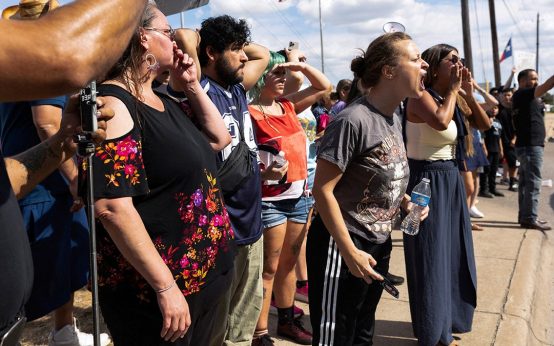 Protests in Austin: Analyzing the Coordination Behind Anti-ICE Demonstrations
 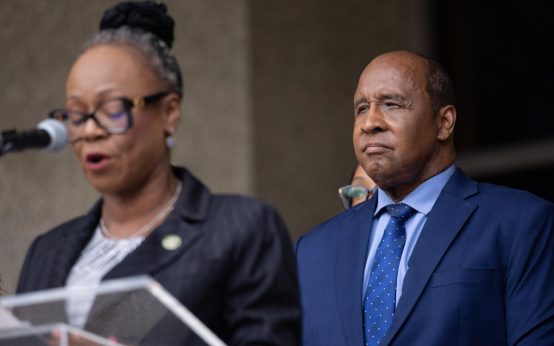 Controversy Surrounds Inglewood Mayor Amid Allegations
 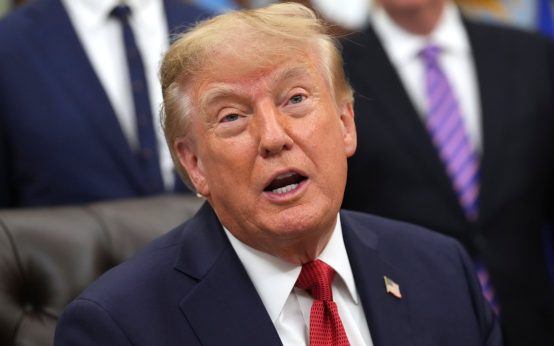 White House Launches Trump TV Amidst Press Dispute
  Media Organizations Sue Trump Administration Over Press Access
 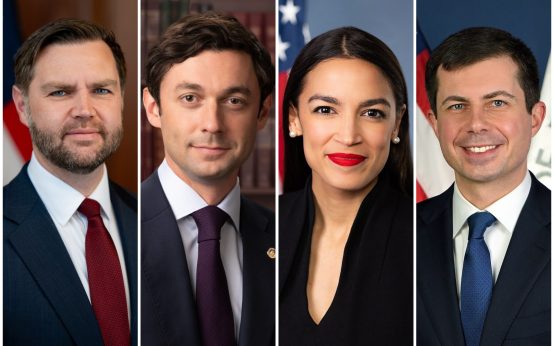 VP JD Vance Trails Potential Democratic Contenders in Early Polling for 2028 Election