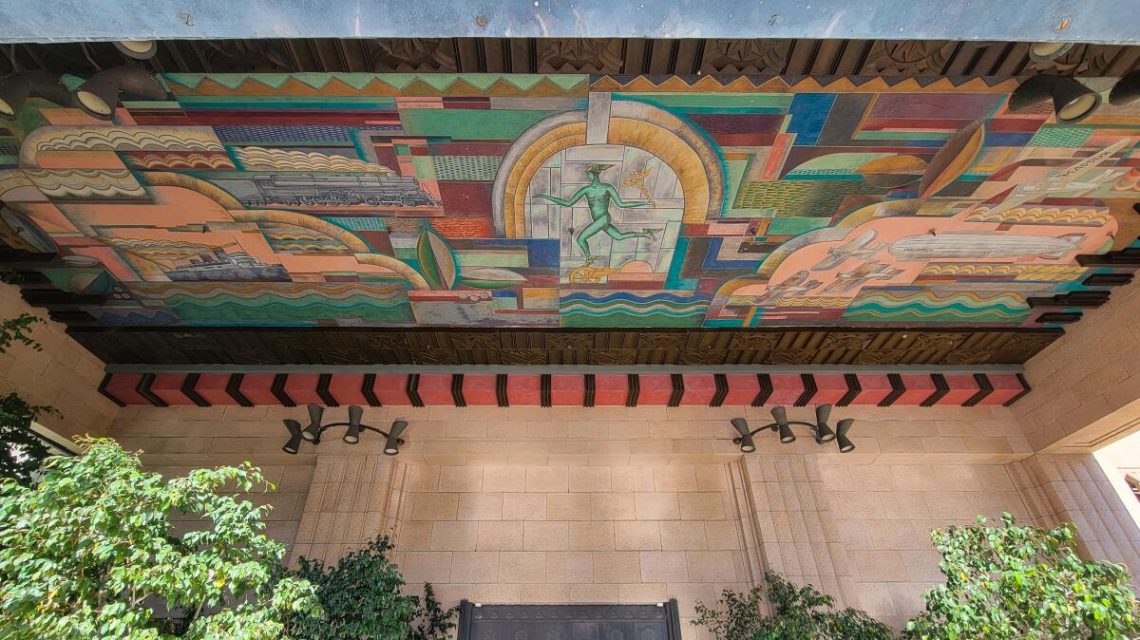
Growing up in Los Angeles, department stores served as a measure of social class. My grandmother often explained how different stores represented various socioeconomic levels. May Co. was affordable during sales, while Broadway was slightly more expensive. Bullocks catered to the Buick and Lincoln owners. Robinson’s served Cadillac clientele, whereas I. Magnin welcomed Mercedes and Rolls Royce enthusiasts.
She mainly enjoyed window shopping, but these stores allowed her to experience different social ranks in post-war L.A. Her visits were aspirations toward a different life, even if she left with nothing more than a perfume sample.
This summer marks two decades since the closure of the classic L.A. department store era. The Robinsons-May signs were removed in 2006, marking the end of an era. It survived longer than Bullock’s, Buffums, and Orbachs but couldn’t compete against national chains and the rise of discount retailers like Target and Kohl’s.
Back then, department stores influenced L.A.’s culture. Their advertisements filled newspapers, showing a hierarchy among stores. Mid-market chains like May Co. and Broadway advertised in news sections. Upscale stores like Robinsons appeared in feature sections with artistic sketches.
These stores began as large emporiums in downtown L.A., accessible by streetcar. Adapting to post-war suburbia, they became anchors for shopping malls in the suburbs.
My grandmother viewed department stores as more than shopping locations. She bought clothes from Fedco, preferring half-size polyester blouses. Fancy stores were her amusement park. She took us to Bullock’s Wilshire tea room, where late 1980s L.A. women still wore hats and gloves.
She also frequented Robinson’s in Beverly Hills, unaware of its luxurious materials like Peruvian travertine, Portuguese rose marble, and Brazilian granite. With Robinsons-May’s closure, L.A. lost a unique public space. Employees noted the loss of not only an expensive store but also a cultural marker.
Although my grandmother passed before the end of Robinsons-May, I think of her while visiting my childhood stores. I once explored the empty I. Magnin building with friends, finding a symphony of marble and curves, though now neglected. The Bullocks Wilshire, now restored by the Southwestern Law School, remains protected.
While my grandmother admired these stores, they held exclusive practices. The tea room she cherished faced protests and lawsuits from Black customers refused service in the 1940s. They eventually prevailed, sharing the fantasy and limitations of these retail symbols.
In Pasadena, you can still experience a classic department store ambiance. The Bullocks, now Macy’s, retains its vintage charm with fixtures, furniture, and murals.
Grandmother often took us to Pasadena to witness “how the other half lives.” Each time Macy’s announces new closures, I worry for the store on Lake Avenue’s fate.
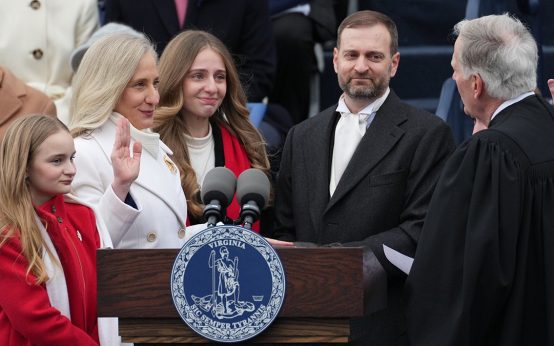 Virginia’s Data Center Plan Sparks Tensions Over Energy and Environmental Goals
  Penn State Fraternity Members Charged in Cocaine Ring Bust
 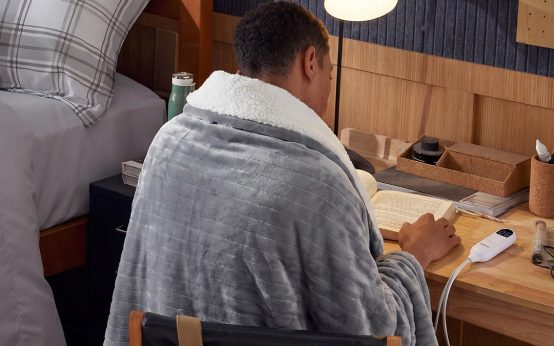 Bedsure Heated Throw Blanket: Comfort and Savings for Cozy Days
 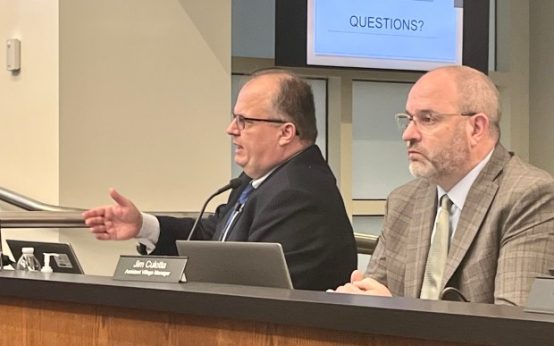 Orland Park Plans New Traffic and Emergency Measures
  Texas Man Charged with Capital Murder in Shooting of 5-Year-Old
  Dietitian Advises Caution with Costco’s High-Protein Chef Salad