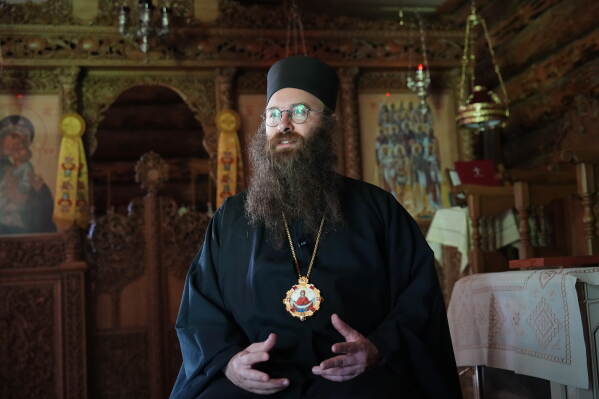
The Divine Liturgy resonates in Estonian as Bishop Damaskinos, dressed in white and gold, leads prayers in a modest chapel hidden by curtains within the Kirikla Orthodox Monastery. This monastery, established in a farmhouse, marks the first endeavor by the Estonian Apostolic Orthodox Church in years. Since the Soviet Union’s collapse, this church has coexisted with a larger Orthodox community linked to the Moscow Patriarchate. Nonetheless, the Estonian Apostolic Orthodox Church aims to rebuild its male monastic community.
Bishop Damaskinos, aged 41, and his fellow monk, Rev. Paisios, are the first to reside in the monastery located about 40 kilometers from Tallinn. Though the church maintains over 60 churches and a convent, Orthodox monks were absent in Estonia for more than 80 years since the interwar period. Damaskinos explains that the monastery’s prayers have a global reach. “The monastery’s meaning is also global in the sense that we pray for the whole world,” he said.
Despite the secular nature of Estonia, young visitors find monastic life appealing. Damaskinos and Paisios engage with young volunteers who assist during the summer. The structured daily routine, free from distractions like cellphones, leaves the monks feeling refreshed. Paisios notes this lifestyle resonates with the young visitants.
With Estonia’s population of about 1.3 million, the interest in religion is rising, according to Priit Rohtmets, an associate professor at the University of Tartu. Raised without the Soviet-era anti-religious bias, young Estonians have an open attitude toward religious communities. “They don’t have any bad experience with religion,” Rohtmets observed.
The path to monkhood involves living as a novice in a monastery for up to three years. After this period, the abbot may deem them ready to take vows of poverty, chastity, and obedience. They then commit to a lifelong monastic existence. Orthodox monks must remain celibate, unlike priests who may marry before ordination. Although the Kirikla Monastery currently houses only two monks, Bishop Damaskinos prioritizes spiritual dedication over numbers.
Damaskinos’ spiritual journey began at Mount Athos in Greece, a significant Orthodox monastic center. Their daily schedule is strict, starting at dawn and involving prayers, services, and manual labor. Free time is limited to evenings.
While Orthodox monastic communities are rare in Estonia, other faiths have established their own. The Dominican order returned to Tallinn in 1996, and a Theravada Buddhist monastery is on Aegna Island. Although new monasteries are uncommon in Europe in 2026, the Kirikla Monastery’s establishment and growth encourage religious circles and scholars.
The monastery’s funding could stem from selling produce or crafts. However, Bishop Damaskinos emphasizes building the brotherhood over physical infrastructure. “What interests me more, rather than finishing the buildings, is to finish building the brotherhood,” he stated.
The Associated Press supports this coverage with collaboration from The Conversation US, funded by Lilly Endowment Inc. AP maintains full responsibility for the content.
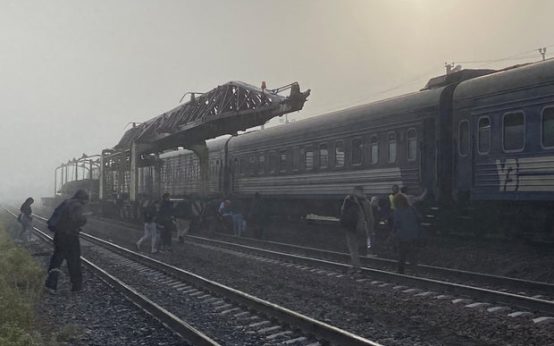 U.S. Plans for Permanent Army Base in Poland Amid Tensions with Russia
  Berlin’s Mayoral Race: A Candidate Inspired by New York Leadership
 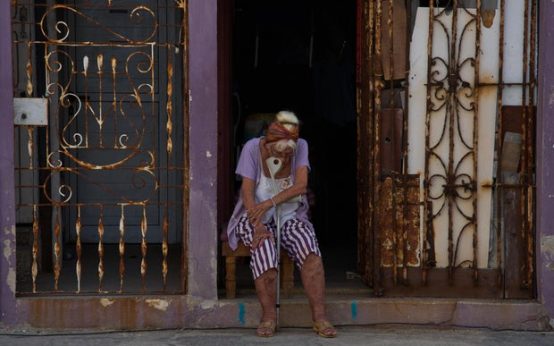 Cuba Faces Sixth Power Grid Collapse Amid U.S. Fuel Blockade
 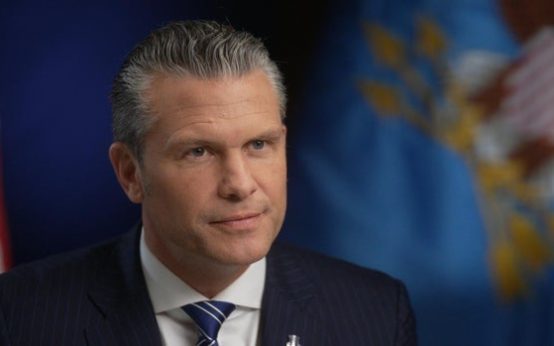 Daring U.S. Rescue Mission in Iran
 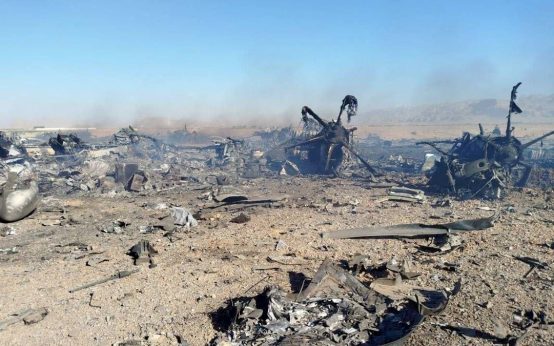 Inside the Daring Rescue of American Airman in Iran
  Trump Discusses Chinese Surveillance and Iran’s Missile Strike