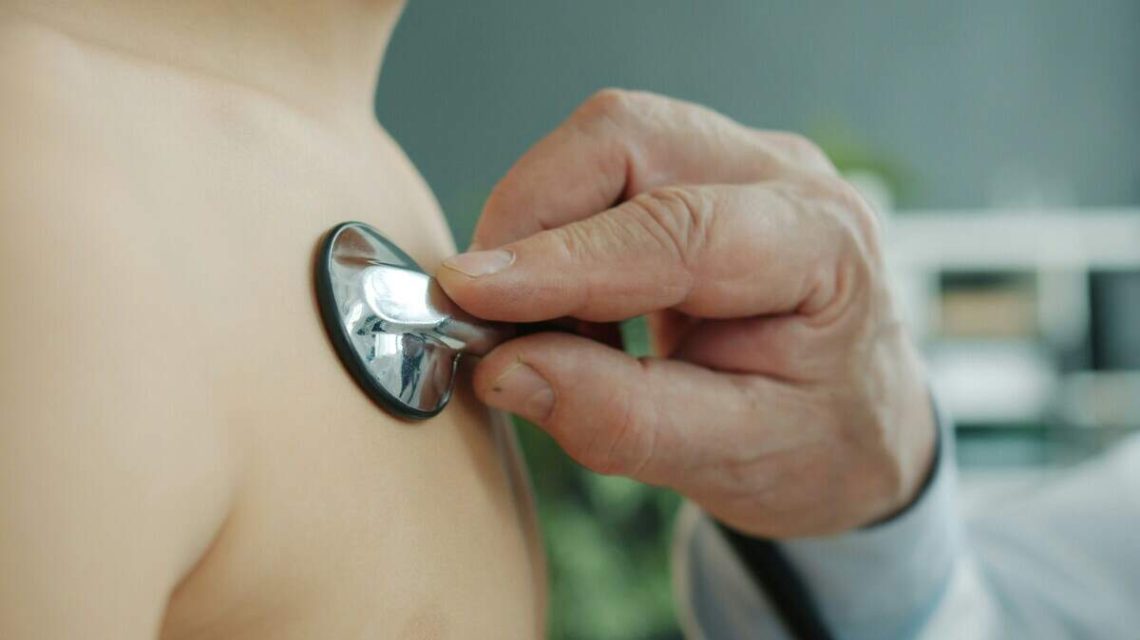
Sudden cardiac arrest stands as a primary cause of death among student-athletes, often occurring without prior symptoms. Consequently, the Miami-Dade School Board along with the State of Florida mandates electrocardiograms for all student-athletes in Florida before they participate in sports activities.
Why Heart Screenings Are Essential
Participation in high school sports offers valuable lessons. Students gain teamwork skills, discipline, the ability to follow coaches’ instructions, and the resilience to handle victories and losses—all while having fun. Heart screenings aim to prevent unfortunate deaths during campus sports events or games. Sadly, more than 90% of those who suffer sudden cardiac arrest do not survive and are usually unaware of their risk factors.
Due to these alarming statistics, the Miami-Dade County School Board and the State of Florida have implemented the “Second Chance Act.” This requires all student-athletes to undergo an electrocardiogram (ECG or EKG) before engaging in sports activities.
How to Get Your Child Screened
Florida’s sports medicine community diligently works to ensure the health and safety of athletes. Coaches are trained in CPR, and schools are equipped with automated external defibrillators (AEDs). Additionally, they are educated on ways to prevent heat-related illnesses.
An ECG is a straightforward and painless test that evaluates the heart’s electrical activity. Alongside a health questionnaire and physical examination, it adds a significant layer of protection. Many healthcare providers, such as Baptist Health and Nicklaus Children’s Health System, provide these screenings at no charge or for a nominal fee. State law caps the cost at $50.
The primary goal is to protect children when they play sports. As with most medical screenings, ECGs aren’t perfect. Occasionally, results may indicate an anomaly, prompting a visit to a specialist—though sometimes these are false alarms, and athletes are cleared afterward. Early screenings are advisable to allow time for any further testing if necessary.
While cases of cardiac arrest are rare and screenings might seem unnecessary to some, this straightforward test affords each student the opportunity for a safe sporting experience.
For further information, Dr. Michael Swartzon, a sports medicine physician associated with Baptist Health South Florida, who collaborates with teams like the Miami Dolphins, Florida Panthers, and InterMiami CF, can be contacted at [email protected].
 Presley Gerber’s Passing Raises Addiction Recovery Concerns
  Understanding October SNAP Benefits: Payment Dates and Changes
  Managing Distress and Discomfort Effectively
  Trump Administration Seeks to Influence NIH Grantmaking
  Understanding School Shooting Preparedness Drills
  Addressing the Complex Issue of Suicide and Its Prevention