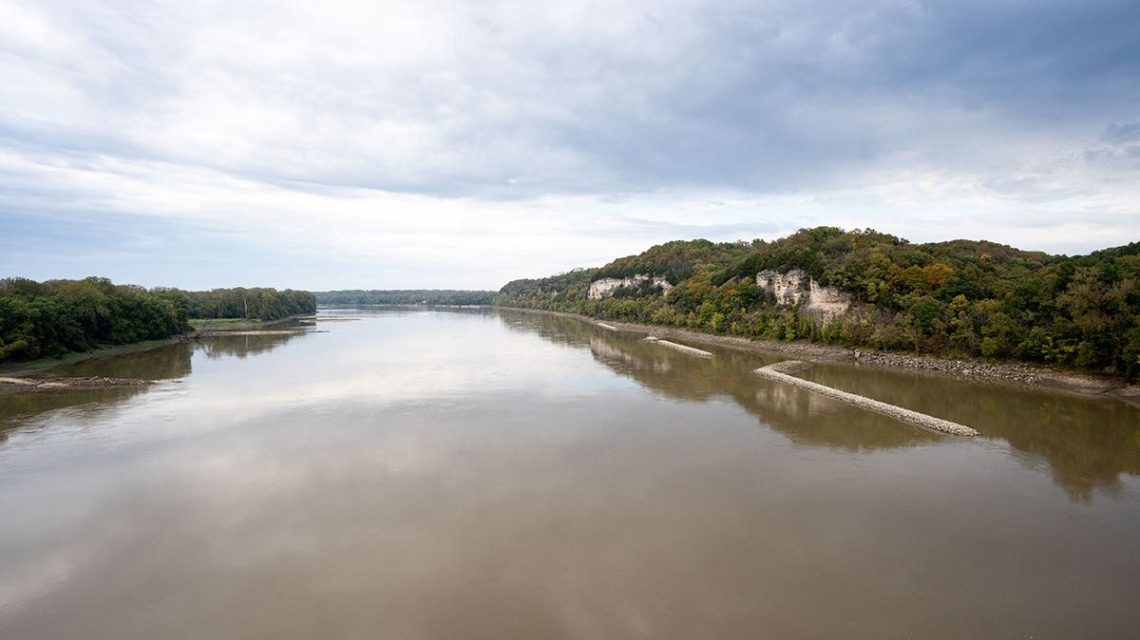
A cancer survivor from Orange County, Florida, has completed an impressive journey down the Missouri River, covering over 2,000 miles alongside his dog, Amos. Frank Carter, age 67, accomplished this feat after undergoing a novel immunotherapy treatment.
Reports from the Moffitt Cancer Center and FOX 13 News indicate that Carter spent 64 days navigating the longest river in the United States in a cedar-strip canoe he crafted himself. His expedition commenced in Montana and concluded near St. Louis, Missouri. During the journey, Carter and his dog faced severe weather conditions including storms, high winds, and hail.
Carter’s diagnosis of mantle cell lymphoma, a rare type of blood cancer, came after struggling with recovery following a routine 5K race. Doctors diagnosed him and began chemotherapy treatment in Orlando, conducting 15 rounds as per Moffitt Cancer Center’s details.
Though chemotherapy reduced the cancer, examinations revealed residual disease traces. Carter then turned to Moffitt Cancer Center for further treatment, opting for chimeric antigen receptor (CAR) T-cell therapy. This groundbreaking immunotherapy involves altering the patient’s immune cells to target cancer cells effectively.
Oncologist Dr. Michael Jain explained, “We genetically engineer the T-cells by inserting a CAR, allowing them to recognize and eliminate the tumor.” Thanks to this therapy, Carter has remained cancer-free for four years.
Carter’s determination saw him through recovery, consistently supported by his golden retriever, Amos, acquired just before his cancer treatment began. Carter stated in Moffitt’s Endeavor publication that adopting Amos was part of his commitment to overcoming cancer.
Frank Carter previously conquered the Appalachian Trail and a cross-country bicycle ride. Now, his latest achievement serves as inspiration to other patients, demonstrating resilience and hope in the face of adversity.
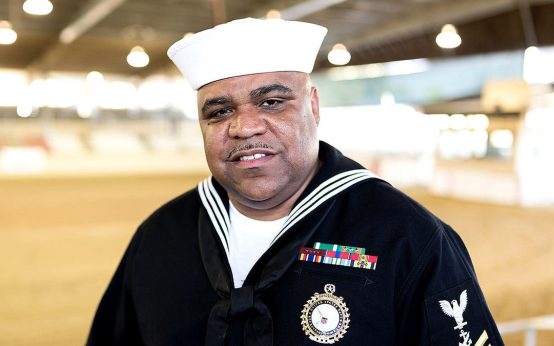 Navy Veteran Generald Wilson Reflects on Emotional National Anthem Performance
  Addressing the Complex Issue of Suicide and Its Prevention
 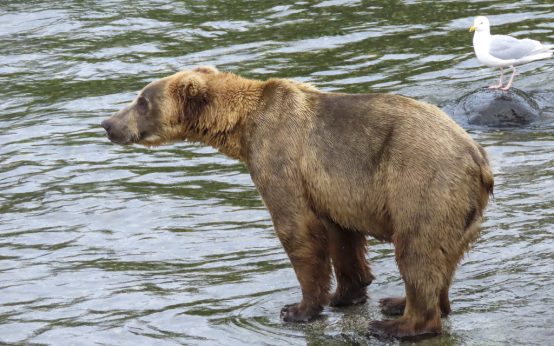 Fat Bear Week: A Unique Annual Tradition at Katmai National Park
  Quality of Sleep Linked to Risk Reduction in Various Diseases
  Exploring Diets and Their Potential to Reduce Alzheimer’s Risk
  Monday Screencaps: Musings and Sports Insights