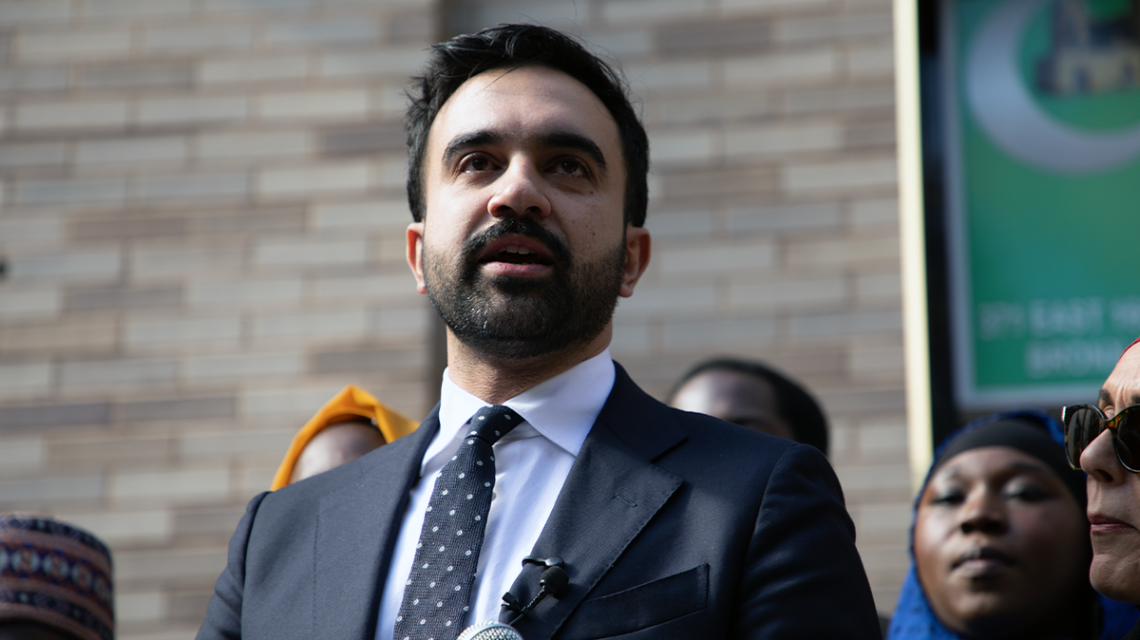
Two recent stabbings near Central Park have renewed concerns about antisemitism in New York City. Following these incidents, Jessica Tarlov and Lizzy Savetsky joined Bill Hemmer and Shannon Bream for a discussion on the issue. Rabbi Ari Berman, President of Yeshiva University, criticized Mayor Zohran Mamdani for his alleged intense focus on Israel, arguing that it betrays the citizens of New York.
During Tisha B’Av, a significant day of mourning in the Jewish calendar marking various historical calamities, an attacker stabbed two men on Manhattan’s Upper West Side. Witnesses reported that the assailant shouted, “Allahu Akbar.” Both victims survived. A suspect is in custody, and police are investigating the motive. Many recognize the serious nature of this crime without awaiting formal charges.
Recently, Mayor Mamdani released a controversial video accusing Israel of war crimes and calling for the arrest of its leader, Benjamin Netanyahu. Despite admitting he lacks the legal power to arrest Netanyahu, Mamdani’s statements have sparked debate. Jewish groups had already warned that tensions were rising in the city, leading to a climate they feared.
Some critics argue that words and rhetoric can lead to harmful actions. The public discourse branding the Jewish state in a negative light can create a permissive environment for violence. An Institute for the Study of Global Antisemitism & Policy (ISGAP) report discussed Mamdani’s associations and actions, tracing his views back to student activism. Mamdani has faced backlash for not clearly denouncing certain phrases and for proposing measures against organizations supporting Israel.
Additionally, Mamdani received financial support from groups linked to controversial figures. His associations and past endorsements have raised concerns, especially as the city approaches significant anniversaries like 9/11. These connections lead some to believe he embodies a disturbing ideological pattern.
The Institute’s research highlights a strategy called “civilization jihad” that reportedly involves using Western freedoms to undermine societies from within. Organizations like Hamas, identified as a branch of the Muslim Brotherhood, are viewed as closely tied to this ideology. This worldview, when embraced by political leaders in Western cities, is seen as translating dangerous ideologies into mainstream rhetoric.
Antisemitism is often an early warning sign of broader societal issues. Actions against Jews and rhetoric targeting them can undermine the democratic and pluralistic values of a society. Mamdani’s criticism of economic inequality has also drawn parallels to historical antisemitic propaganda. His language is viewed by some as contributing to a harmful narrative.
The recent violence underscores a larger concern about how political rhetoric may incite further unrest. Amidst calls for protests during the upcoming U.N. General Assembly, there is fear that demonstrations might turn violent. The New York City Police Benevolent Association has expressed concern over the mayor’s encouragement of demonstrations.
Charles Asher Small, founder and director of ISGAP, suggests that these issues go beyond isolated incidents. There is a call for clear identification of rhetoric that may lead to violence and a refusal to normalize hatred.
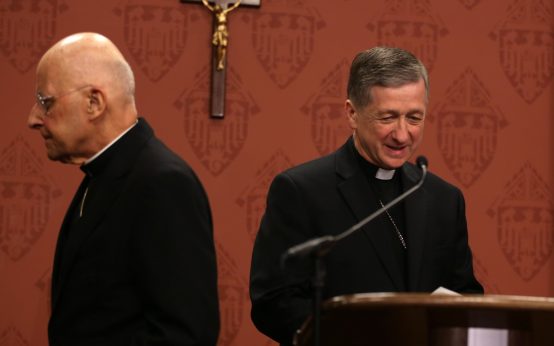 Bishop Blase Cupich Announced as New Archbishop Designate for Chicago
 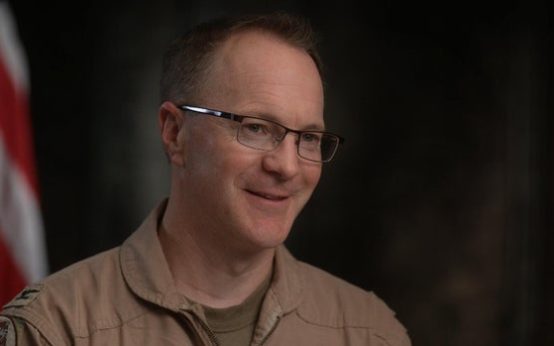 Daring Rescue of American Fighter Pilots in Iran
  Giants Honor 9/11 Anniversary During Game Against Cowboys
  Tragic Incident at Shasta Lake: Man Dies Trying to Rescue Dog
  High-Speed Crash in Irvine Results in Two Fatalities
  Teen Charged with Murder After Man Pushed from Train in Chicago