Michelle Volberg sent a straightforward email to her team about six months ago. “Please stop talking to me like a robot,” she wrote. Volberg is the founder and CEO of Twill, a tech recruiting company. She noticed that some employees were sending Slack messages and emails which seemed to be copied from AI tools like Claude. These communications resembled pitches from clueless consultants rather than her team. The messages, although perfectly puntucated and capitalized, lacked context about clients and even made factual errors.
It started when Volberg introduced an enterprise Claude subscription to her 10-person company. She soon implemented a new rule: use AI for brainstorming, but maintain a personal voice in internal communications. “If you wouldn’t say it in person, email, or Slack, don’t send it.” She observed an immediate change. Creative thinking and interpersonal relationships improved.
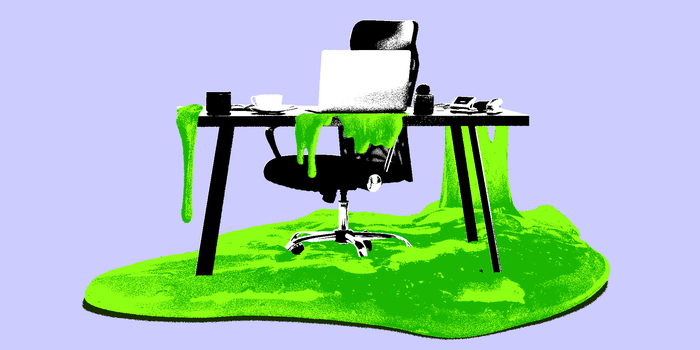
A year ago, research from the Stanford Social Media Lab and BetterUp Labs created the term “workslop.” This refers to AI-generated content such as memos, emails, and documents that are low-quality and overly verbose. Many CEOs are unwittingly contributing to this issue by mandating AI usage. New guidelines aim to restore workplace humanity and filter productive AI use from inefficiency. Yet rules alone might not solve the problem. Some employers have even resorted to firing employees for misusing AI.
Kate Niederhoffer, the chief scientist at BetterUp Labs, states that “workslop” is often driven by workplace conditions rather than individual behavior. It’s crucial for employers to foster environments where employees can have meaningful dialogues about effectively integrating AI into their work.
Part of the problem arises from employees feeling pressured to use AI tools without adequate guidance. Performance reviews increasingly include AI usage, yet there’s no consistent standard for evaluation. While AI tools promise increased productivity, some users end up working longer with reduced output quality, deferring too much to AI’s authoritative delivery.
Niederhoffer’s initial research on “workslop” indicates that over half of workers acknowledged sending such content. This points to a deeper issue, with workers feeling pressure to comply with AI adoption.
Various companies have introduced anti-workslop policies. Clay, a software startup, requires employees to validate each idea in their writing. The policy stresses that writing aids thinking and brevity is beneficial. Spellbook’s CEO prefers concise bullet points to lengthy, formatted proposals. Communication with customers should always be human-written.
“Workslop” can waste time and damage trust. Eric Fischgrund, head of FischTank PR, prohibits AI-generated content for external use and uses an AI detector to enforce this policy. He fired an employee for repeated AI policy violations.
ZocDoc issued guidance to reduce “workslop.” It emphasizes transparency in bot interactions and the importance of original ideation. Jessica Aptman, ZocDoc’s chief communications officer, notes that maintaining personal value is key as employees adapt AI use. Ignoring these guidelines can erode trust and diminish influence.
To eliminate “workslop,” bosses need to go beyond urging employees to use their own voice. They should create office cultures where staff feel valued and trust that AI won’t devalue their work. It’s more effective to discourage “workslop” than to clean up the resulting mess.