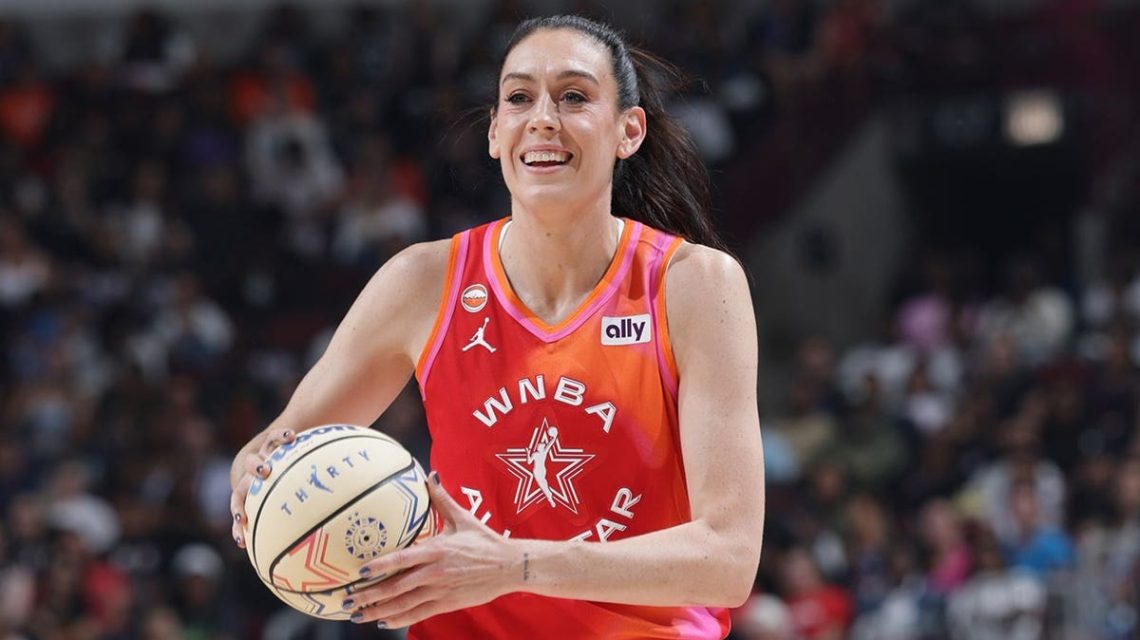
The Women’s National Basketball Players Association (WNBPA) clarified its stance regarding the league’s choice not to include USA 250 patches on All-Star uniforms. This follows criticism from a union officer. The criticism centered on the historical implications of the USA 250 patch given that 250 years ago, women, particularly those of African descent, faced severe inequality.
Recent statements conveyed that the union did not formally ask the WNBA to drop the patches. They noted that initial contact with the league sought clarification rather than action. Subsequently, the WNBA decided to honor the 250th anniversary of the USA with arena signage and tributes to veterans during the All-Star Game.
“The league did not seek union input nor was the matter put before player leadership for action,” the WNBPA stated.
Public interest surged when Brianna Turner, a Las Vegas Aces forward and union treasurer, voiced her objection to the patch plan on social media. Turner highlighted the historical context where WNBA players’ ancestors were not free 250 years ago.
WNBA President Nneka Ogwumike affirmed players sought clarity upon learning of the patch plan. She remarked, “Being able to have such conversations with leadership is crucial.” Breanna Stewart confirmed to reporters that the patches would not appear on the All-Star uniforms.
The WNBA has remained silent on specifics about the final decision. Questions about the union’s influence and the choice of commemorative methods remain. OutKick and Fox News Digital requested the league’s reasoning and queries about any player objections went unanswered.
Historically, sports leagues like the NFL, NBA, NHL, and MLB have adopted USA 250 patches. Yet, the WNBA’s approach appears distinct, generating discussions on freedom of expression and historical context in sports.
Some suggest that recognition of America’s 250th anniversary shouldn’t demand a contentious debate within sports. Participating in patriotic observances doesn’t inherently reject other valid social concerns. The debate spotlights complexities within player leadership and the impact of public opinion on league decisions.
The debate emphasizes the WNBA’s role as a platform for advocating social justice and equality. While the WNBPA shared its process transparently, the league’s silence on the matter continues to stir discourse.
Ultimately, the decision’s implications demonstrate broader themes within American society about progress, equality, and acknowledgment of historical narratives in contemporary settings.
 Ronald Acuna Jr. Suffers Injury During Game Against Cincinnati Reds
  Joe Burrow’s Unexpected Post-Game Recovery
  Rangers Place Players on Waivers Ahead of Season Opener
 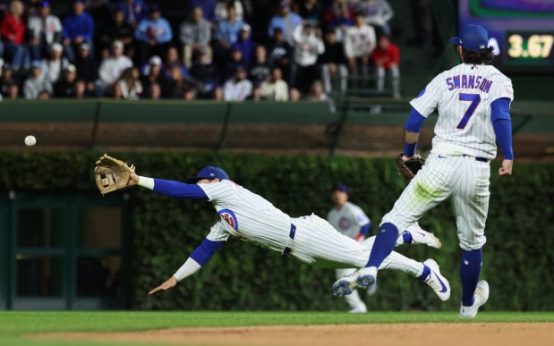 Cubs Face Crucial Pitching Decisions Amid Wild Card Race
 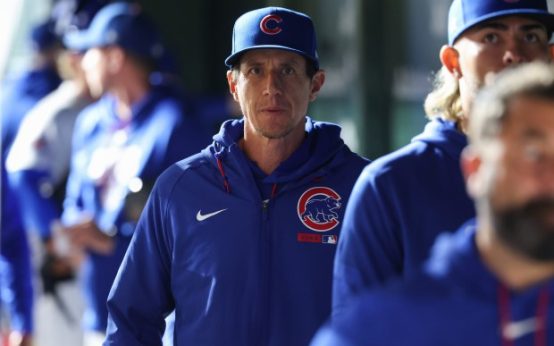 Chicago Cubs vs. Miami Marlins: 12-Inning Game Recap
 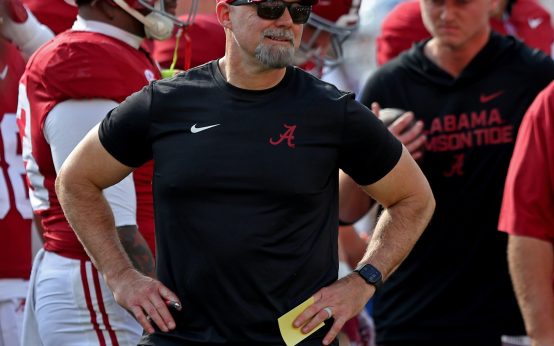 Alabama Football’s Comeback and Controversy