
The Western United States is grappling with an escalating water crisis as conflicting interests among affected states stall progress. This impasse has emerged with the two largest reservoirs on the Colorado River, Lake Mead and Lake Powell, reaching record-low levels.
A significant challenge is the discord among seven states on how to divide the dwindling water resource from the Colorado River, a critical lifeline for the region. These states are split into upper basin states—Colorado, Wyoming, Utah, and New Mexico—and lower basin states—California, Arizona, and Nevada.
Kelly Shannon McNeill, the managing director of LA Waterkeeper, a group that monitors water usage, highlighted that lower basin states like California have reduced their Colorado River consumption by nearly 20% since 2015. In contrast, upper basin states have increased usage, stating that they cannot afford cuts. McNeill emphasized the situation boils down to political will.
There has been a record-low snowpack across the Colorado River Basin, intensifying concerns at Lake Powell, where water levels persistently remain low near Page, Arizona. Years of unsuccessful state negotiations have prompted the Trump administration to plan extensive cuts.
California, Arizona, and Nevada have proposed reducing their usage by 1.6 million acre-feet annually for the next two years. Despite this, federal authorities controlling the water flow are considering nearly double that amount. Major reductions may lead to increased costs for cities securing water, stricter outdoor water restrictions, and substantial changes for farmers relying on most of the river’s supply.
McNeill urges residents of affected states to communicate with their representatives and negotiators to reach an agreement swiftly.
The water crisis exacerbates with unreliable snowpack feeding the Colorado River each spring due to warming climates. Furthermore, population growth intensifies the issue.
The critical situation persists as if Lake Powell’s water level drops 33 more feet, it will fail to support hydroelectric power generation, preventing water from flowing into the Colorado River. Presently, both Lake Mead and Lake Powell are less than 30% full, leaving residents concerned over potential inaction from decision-makers.
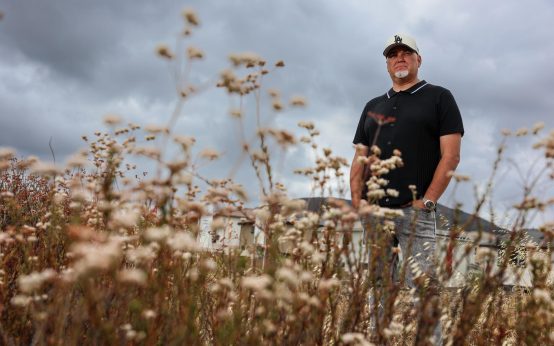 Challenges in California’s Home Insurance Market
 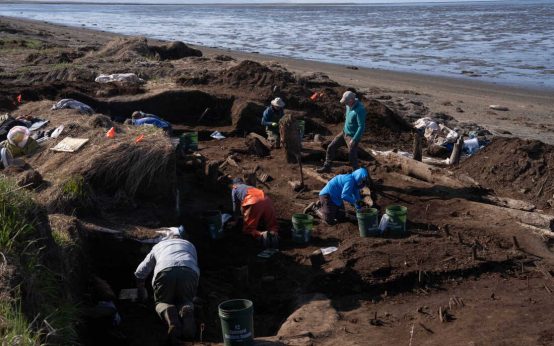 Race Against Time: Preserving Quinhagak’s Archaeological Heritage
 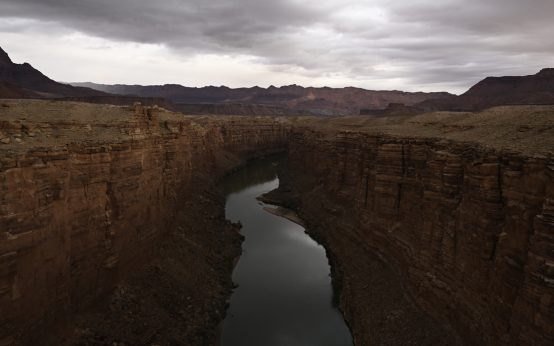 Managing Drying Rivers: The Need for New Approaches
 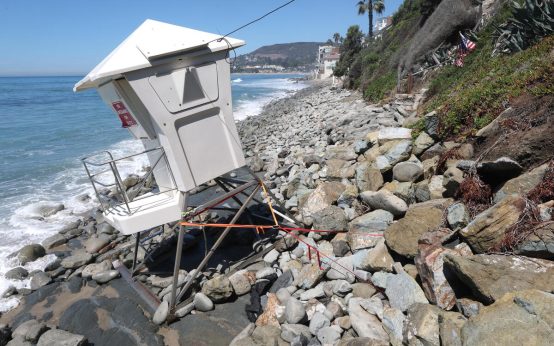 Coastal Damage from Kelvin Waves and Rising Sea Levels in Southern California
  Heat Dome Tightens Over South-Central US with Triple-Digit Temperatures
  Army Corps Resumes Construction on Brandon Road Lock and Dam Project