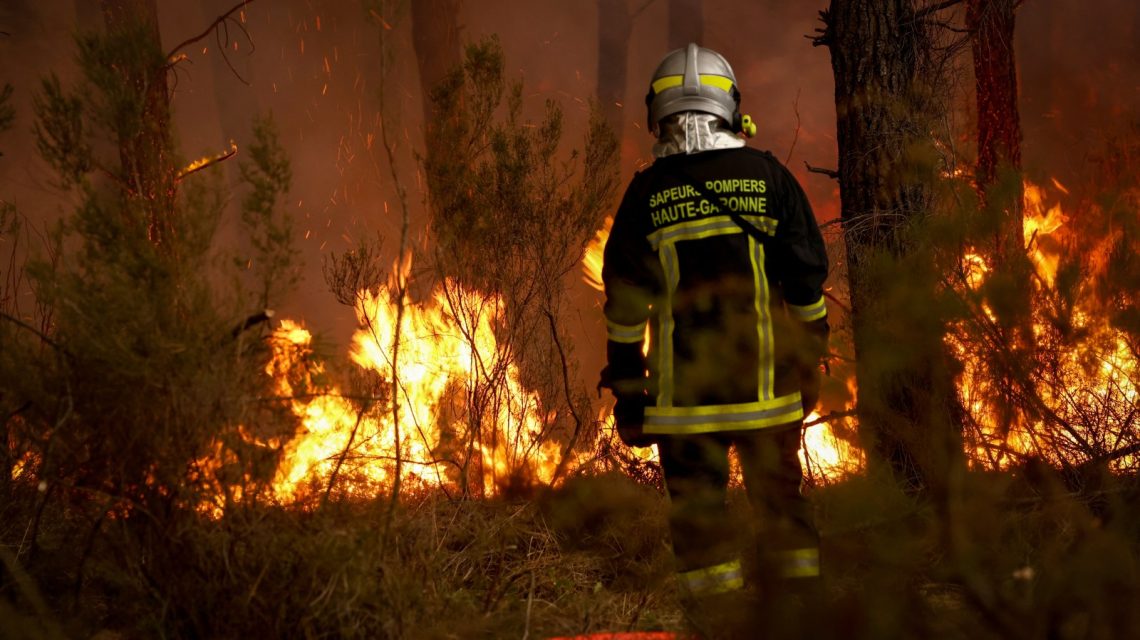
Wildfires are threatening major cities, leading to mass evacuations, and spreading smoke across borders in Europe and North America. In southwestern France, Bordeaux faces the advance of fires, prompting significant evacuations. In Spain, fires have forced tens of thousands to flee in central and eastern regions. Across the Atlantic, numerous fires in Canada continue, with smoke reaching the United States.
Pattern of Increasing Wildfires
The fires are not isolated incidents. Experts link them to a broader pattern where heat, drought, and dried vegetation from prolonged warm weather create hazardous fire conditions. Once occasional, extreme wildfires now pose a persistent threat in these regions.
Wildfires have always been a natural occurrence across the globe and will continue to be. However, evidence suggests changes in the number of fires, area burned, fire behavior, and fire seasons due to climate change.
These conditions contribute to the severity and frequency of the fires. According to AccuWeather’s meteorologist Brandon Buckingham, climate change is a significant factor escalating these wildfires.
Europe’s Fire Season
France and Spain are currently central to Europe’s wildfire crisis. Fires threaten Bordeaux, displacing 220,000 people, and nearly 100,000 individuals have evacuated in Spain. As of July 22, the EU recorded 1,254 fires, burning 254,388 hectares, more than double the average.
Buckingham notes multiple heatwaves and severe drought in Western Europe are major contributors. The drought in France and Spain nearly matches the conditions of 2022.
Theo Keeping from Imperial College London highlighted the extreme scale and conditions of the fires in Spain and France. Hot, dry summer weather is identified as the primary cause of these severe extremes.
Portugal faces challenges too, with serious fires in Vouzela requiring a massive firefighting effort. In Greece, fires in the north and central regions caused evacuations and destruction near Thessaloniki and Athens.
The UK isn’t immune. Emergency services manage fires across England, Wales, and Scotland during repeated heatwaves.
North America’s Fire Season
North America also sees above-average wildfire activity. The US has recorded over 4 million acres burned this year. Around 42,000 fires have consumed this area by late July, while firefighters tackle 90 large fires.
Canada’s fires, though not at extreme levels, have severely impacted air quality in the US. More than 900 active fires have burned 3.7 million hectares.
These fires pose health risks, as smoke drifts south, affecting areas far from the flames.
Global Patterns of Wildfires
Beyond Europe and North America, North Africa, Japan, and South America also report fires this year. In Japan, fires in Iwate Prefecture prompted evacuation orders. In Chile, fires in January burned over 30,000 hectares.
North Africa faces significant wildfires, with Tunisia receiving international aid to manage the threat.
While no single wildfire links solely to climate change, factors like ignition sources, land management, and wind contribute. Still, scientists recognize climate change as increasing intensity and likelihood of wildfires.
As climate extremes occur year-round, wildfire seasons lose defined start and end times.
 California Governor Declares Statewide Emergency Ahead of El Niño Storms
  EPA Rollbacks and the Impact on Indiana Communities
  The Impact of Battery Innovations on Renewable Energy
  Challenges in California’s Home Insurance Market
  Race Against Time: Preserving Quinhagak’s Archaeological Heritage
  Managing Drying Rivers: The Need for New Approaches