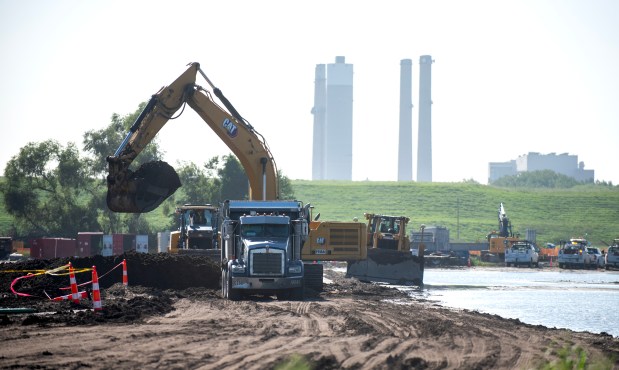
During Joe Biden’s administration, Janet McCabe served as deputy administrator of the U.S. Environmental Protection Agency (EPA), where she played a role in establishing rules for greenhouse gas emissions for power plants. Presently, under President Donald Trump’s administration, the EPA works to dismantle these regulations.
McCabe expressed her concerns regarding the reversal of policies designed to protect public health. She believes the administration aims to permanently reduce the federal government’s capacity to address these environmental issues.
On September 14, EPA Administrator Lee Zeldin announced the repeal of many of the greenhouse gas requirements established under the Biden administration for power plants. This move comes after earlier repeals, like the Greenhouse Gas Endangerment Finding.
Experts in the environmental and utility fields have voiced their apprehension about the potential consequences of these repeals on American citizens, both from an environmental and economic perspective. Hana Vizcarra from Earthjustice noted that although these policy changes were expected, their impact is concerning. She highlighted the focus on coal despite its rising costs and expressed how such deregulation could increase climate-related impacts.
The EPA claims that its actions will save $310 billion by rescinding the greenhouse gas standards, purportedly yielding $370 million in direct compliance savings. EPA’s Zeldin argued that these changes align with the Trump administration’s goals to support American energy and reduce electricity costs.
However, several environmental experts, such as Kerwin Olson of the Citizens Action Coalition, criticized the focus on coal. According to Olson, investments in renewable energy sources like wind and solar are more cost-effective. Retaining coal plants can lead to increased public health risks and higher utility costs, especially affecting areas like Northwest Indiana with historically high utility bills.
Further concerns arise from the EPA’s intentions to repeal additional regulations intended to protect public health, despite evidence that they have reduced premature deaths and health issues such as asthma attacks. Ashley Williams of Just Transition Northwest Indiana highlighted how deregulation will adversely affect states like Indiana, where environmental policies cannot exceed federal standards.
State Rep. Earl Harris highlighted that low-income and minority communities are disproportionately impacted by proximity to coal plants. Economic studies show that a significant portion of these populations live near these energy sources, facing higher risks from deregulations.
In terms of legal developments, the U.S. Department of Energy has faced legal challenges over the emergency orders keeping coal plants like NIPSCO’s R.M. Schahfer Generating Station operational. A recent federal court ruling deemed similar orders for Michigan’s J.H. Campbell Coal Plant unlawful. Nick Wallace of the Environmental Law and Policy Center mentioned ongoing cases, suggesting that the outcome could affect NIPSCO’s future operations.
Environmental advocates and local representatives, like State Rep. Randy Novak, argue against these deregulation efforts. They believe now is a crucial time to hold utility companies accountable for their environmental responsibilities.
 California Governor Declares Statewide Emergency Ahead of El Niño Storms
 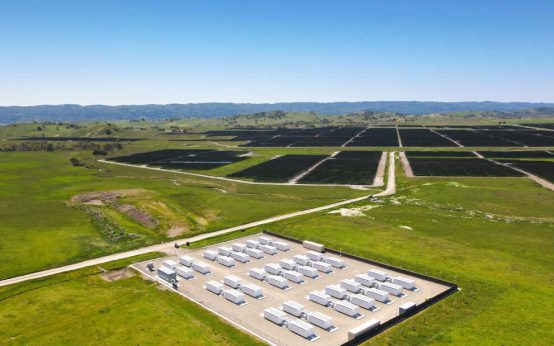 The Impact of Battery Innovations on Renewable Energy
  Challenges in California’s Home Insurance Market
  Race Against Time: Preserving Quinhagak’s Archaeological Heritage
 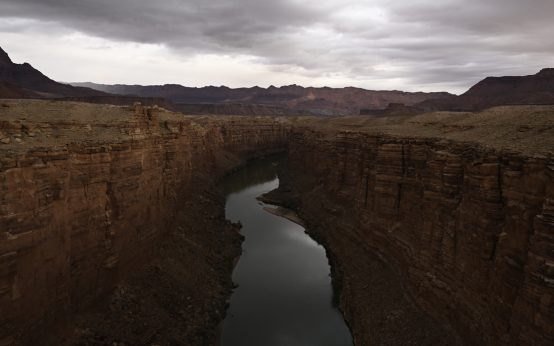 Managing Drying Rivers: The Need for New Approaches
 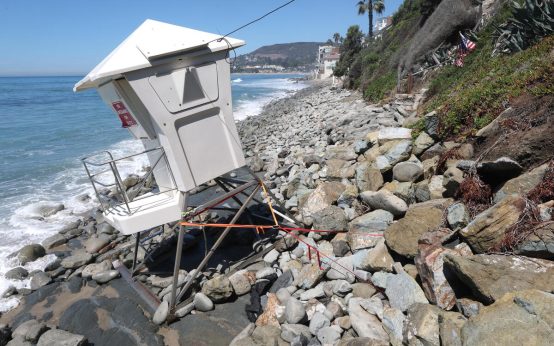 Coastal Damage from Kelvin Waves and Rising Sea Levels in Southern California