
WASHINGTON (AP) — Israeli Prime Minister Benjamin Netanyahu visited the White House on Tuesday to meet with President Donald Trump. This meeting followed the two leaders’ joint efforts against Iran and aimed to ease tension in their relationship. The discussion lasted nearly an hour and a half and was described as “positive and productive” by White House press secretary Karoline Leavitt. Both leaders face mounting pressures at home: Netanyahu is contending with election challenges, and Trump deals with an unpopular war affecting the economy as midterm elections approach.
Before the meeting, Trump expressed frustration over reports that Netanyahu might discuss intelligence on Iran’s activities at Pickaxe Mountain, a potential nuclear site. Trump, speaking on “Fox & Friends,” downplayed concerns, stating he is aware of the situation and implied Netanyahu was pushing to keep U.S. involvement.
Outside the White House, protesters voiced their disapproval of Netanyahu, calling him a tyrant. During their meeting, Trump and Netanyahu also discussed a framework agreement involving the U.S., Israel, Lebanon, and the expansion of the Abraham Accords, as per a White House official.
The relationship between Trump and Netanyahu has fluctuated over the years. Their alliance seemed strong when they started the military action against Iran, presented as a united front to remove Iran’s leadership. However, as Iran pushed back with attacks, Trump faced pressure to end the conflict, sidelining Netanyahu, who favored continuing military actions.
Despite recent U.S.-Iran tensions, Netanyahu planned to share Israeli intelligence on Iran’s nuclear program with Trump. Israeli U.N. Ambassador Danny Danon emphasized Netanyahu’s intent to hear Trump’s plans. Netanyahu expressed on “Sunday Morning Futures” his desire for a resolution without resorting to intensive military action, insisting on ending Iran’s nuclear ambitions.
Netanyahu also aimed to reassure Trump that Israel would not undermine U.S. efforts in Gaza and Lebanon. Israel has agreed to allow the Lebanese army to secure areas previously controlled by Hezbollah. The U.S. State Department announced upcoming talks in Rome to expand this initiative. In Gaza, Israel’s security cabinet approved measures to let an international stabilization force enter, though limited foreign troop support means operations will initially focus on a small area in Rafah.
Israel’s support in the U.S. has waned, particularly due to its conduct in Gaza. Vance warned Israeli leaders of the critical need to maintain ties with Trump, considered their key ally. In June, an AP-NORC poll revealed diminished American support for Israel. Political commentator Ben Caspit criticized Netanyahu for this loss. Vance is expected to join Netanyahu and Trump’s meeting, underscoring the importance of their alliance.
Melanie Lidman in Tel Aviv, Darlene Superville and Seung Min Kim in Washington, Edith M. Lederer at the United Nations, and Bill Barrow in Atlanta contributed to this report. Cunningham reported from Jerusalem.
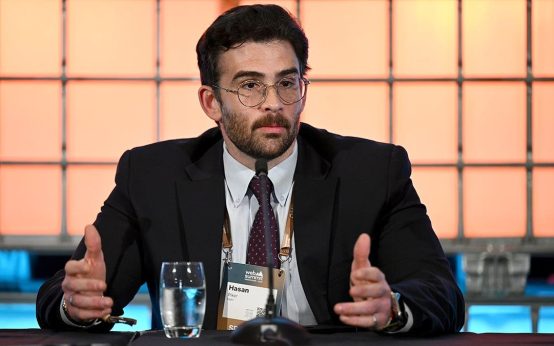 Twitch Streamer Hasan Piker Discusses Controversial Commentary
  A Shifting Political Landscape: The Decline of Autocratic Power
  Trump Delivers Warning to Iran, Cuba at UN General Assembly
 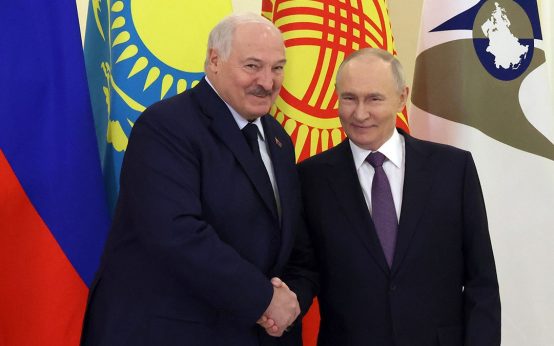 Lukashenko and Putin’s Unique Relationship and Belarus’ Strategic Role
  Alan Ritchson Faces Backlash Over Political Remarks
  Himalayan Pilgrimage: A Couple’s Narrow Escape and Lingering Questions