
The International Football Association Board (IFAB) has clarified guidance to referees after an incident involving Switzerland’s Breel Embolo in the World Cup quarterfinals against Argentina. Embolo received a second yellow card for simulation, altering the game’s dynamics. Switzerland had recently equalized at 1-1 when the decision affected the momentum, eventually losing 3-1 to Argentina in extra time. There were criticisms, including from Egypt, about referees seeming to favor Lionel Messi’s team.
On Monday, IFAB published a statement clarifying that the Video Assistant Referee (VAR) protocol for “mistaken identity” cases does not apply to such situations at the World Cup. This protocol can only address cases where the wrong player is penalized, not the nature of the offense itself. Embolo’s yellow card was a result of VAR confirming that Argentina’s Leandro Paredes did not foul him, leading to Embolo being sent off, contrary to current VAR practices.
The referee made the wrong decision, Switzerland coach Murat Yakin stated post-match. I know they will protect their referee, but this rule destroyed our game today. It’s very painful, and being eliminated this way hurts a lot.
An ongoing review of the VAR protocol since March has highlighted cases like Embolo’s as part of the examination. The mistaken identity clause’s potential use for simulation in future tournaments, like the 2026 World Cup, was acknowledged by IFAB, which includes FIFA and the four British soccer federations. Annual meetings occur each February or March to update The Laws of the Game.
UEFA has praised the clarity provided by IFAB. In meetings with referee heads from its 55 member federations, UEFA emphasized that VAR should not be used to re-referee games. It should focus on clear and obvious errors in decisions, reducing the length and impact of video reviews.
FIFA’s handling of VAR at the World Cup received recognition despite frustrations, such as in the Premier League, where prolonged reviews were seen as problematic. UEFA underscored the importance of limiting intervention to blatant errors or unnoticed clear incidents, encouraging strict enforcement against time-wasting in games.
This approach will apply to UEFA’s upcoming club and national competitions, including the Champions League and qualifiers for the European Championship and Women’s World Cup. The focus remains on consistent application of rules to enhance game quality.
For more information, visit AP Soccer and their World Cup coverage.
 Ronald Acuna Jr. Suffers Injury During Game Against Cincinnati Reds
  Joe Burrow’s Unexpected Post-Game Recovery
  Rangers Place Players on Waivers Ahead of Season Opener
 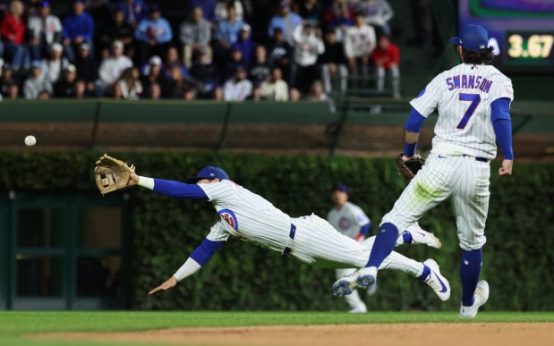 Cubs Face Crucial Pitching Decisions Amid Wild Card Race
  Chicago Cubs vs. Miami Marlins: 12-Inning Game Recap
  Alabama Football’s Comeback and Controversy