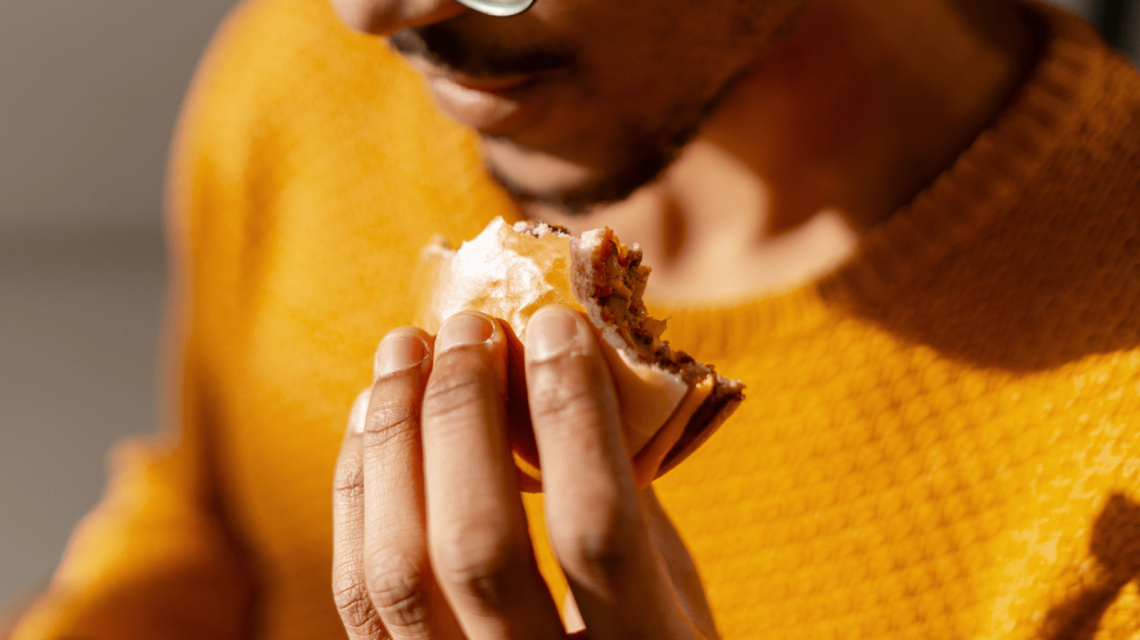
New research suggests that the diet of men before becoming fathers can significantly affect their children. A study published in Nutrition Research examined 43 father-mother-newborn groups in Ribeirão Preto, Brazil. The study focused on whether fathers’ consumption of ultra-processed foods influenced newborn growth and body composition.
Ultra-processed foods are items like processed meats, sugary drinks, packaged snacks, and cookies. These foods, which constitute ingredients and additives uncommon in home cooking, made up about 30 percent of fathers’ calorie intake in the study.
Researchers factored in age, education, smoking, alcohol use, and physical activity. They found that higher consumption of these foods by fathers correlated with increased birth weight and larger skinfold thickness in newborns. Such findings underscore that preconception health concerns both parents.
Daniela Sartorelli, a professor at the Ribeirão Preto School of Medicine at the University of São Paulo, coordinated the study. She emphasized that healthy dietary habits are crucial for both mothers and fathers intending to conceive. Sartorelli explained that avoiding ultra-processed foods during the preconception phase is advisable since no safe consumption limit exists for these foods.
The study did not find a strong link between paternal diets and total neonatal body fat. However, it suggests that dietary habits of fathers may influence certain fetal growth aspects through epigenetic changes. These changes impact gene functionality without modifying the DNA sequence itself. One relevant gene, IGF-II, inherited from fathers, significantly impacts fetal growth. Previous studies indicate that dietary habits and obesity might regulate this gene via DNA methylation.
Interestingly, the study showed differing impacts on newborn growth based on whether the father or mother consumed ultra-processed foods. Paternal consumption was linked to higher birth weight, while higher maternal intake led to lower birth weight and smaller head size in newborns. These contrasting outcomes could be attributed to differing biological pathways affecting fetal development.
The study’s small size and reliance on dietary recalls introduce limitations, necessitating cautious interpretation of the findings. Diets were assessed during pregnancy, used as proxies for preconception patterns. Despite these limitations, the research underscores the importance of including fathers in preconception health discussions and family planning.
If future larger studies validate these findings, they could further solidify the importance of paternal diet in shaping children’s health from conception.
Reference: Carvalho, M.R., Miranda, D.E.G.A., Baroni, N.F., et al. (2026). A higher paternal ultra-processed food consumption is directly associated with parameters of neonatal anthropometry. Nutrition Research, [online] 151, pp.16–25. doi:10.1016/j.nutres.2026.04.015.
 Potential Changes in Medicare Reimbursement for Lab Tests
  Understanding and Addressing the Complexity of Suicide
  Recall of Meat Products from Star Meat Delivery Inc.
  Questions Arise After Presley Gerber’s Death in Rehab
  Upcoming Concerns and Influence in Health Politics
  Fraud Task Force Saves Billions by Tackling Obamacare Misuse