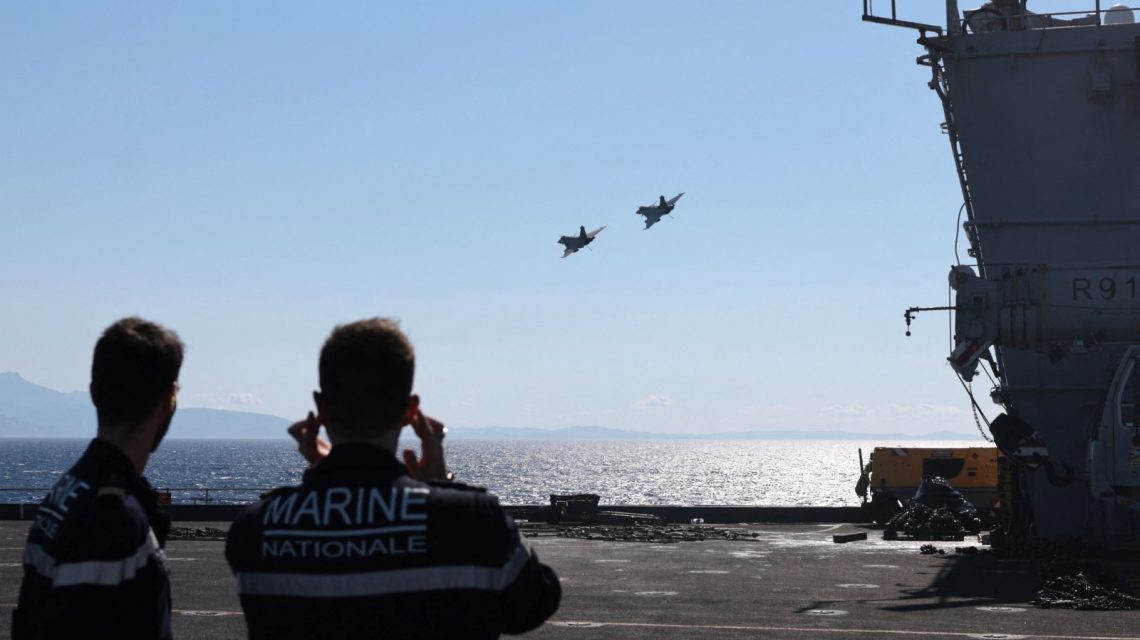
A recent drone strike at Egypt’s Damietta port near the Suez Canal has brought the Mediterranean Sea closer to the ongoing U.S.-Iran conflict, heightening the risk of further disruptions to global trade and stability. This incident, which remains unclaimed, is the first reported attack on the northern approach to the Suez Canal. Meanwhile, Iran’s ally in Yemen, Ansar Allah, or the Houthi movement, threatens to obstruct Red Sea traffic again. Tehran also continues to pose threats to shipping in the Strait of Hormuz in response to U.S. actions.
The Mediterranean is a crucial commercial hub and forms NATO’s southern flank. The Suez Canal is of particular interest to European nations, especially since its nationalization by Egypt in 1956 led to a tri-nation invasion involving the U.K., France, and Israel. Historically, the U.S. and Soviet Union demanded a withdrawal of these forces. Currently, the U.S. seeks European allies’ support in regional conflicts.
NATO has shown reluctance to engage in the U.S.-driven conflict against Iran, drawing criticism from former President Donald Trump. An escalation of conflict within NATO’s sphere of responsibility could complicate NATO’s position. According to John Deni, a senior fellow at NATO Defense College, NATO is focused on threats from Russia and southern instability, mainly perceived as transnational terrorism. However, NATO’s missile defense architecture aims to address threats from Iran and others.
If Iran were found responsible for the Egyptian strike, it could escalate concerns that the Iranian conflict is moving closer to Europe,warned Deni.
Eight NATO countries have coastlines on the Mediterranean, plus the U.K. with Gibraltar. Since the Cold War, the sea has been a strategic area for Western and Soviet influences. Russia’s intervention in the Syrian civil war and its Mediterranean naval presence have received significant attention. NATO’s primary operations in the Mediterranean have been conducted through Operation Sea Guardian, focusing on maritime security against illicit trafficking.
The efficacy of defenses against drones remains a concern, particularly illustrated by incidents involving drones linked to Russia breaching NATO borders. In early March, loitering munitions launched by Iran targeted the Royal Air Force base in Akrotiri, Cyprus. This attack penetrated interception systems.
A new threat to the Suez Canal could be particularly disruptive as it serves as the only direct connection between the Red and Mediterranean Seas. Previous disruptions by Ansar Allah in the Red Sea forced considerable reroutes of maritime traffic. Recent attacks targeting Saudi-linked vessels have resumed amid growing regional unrest.
According to Deni, around 30% of global container traffic transits the Suez Canal annually, making it crucial for world trade. Security threats lead to higher shipping costs as shippers reroute or demand higher insurance rates, slowing trade and escalating prices.
Karen Young, a political economist at the Center on Global Energy Policy at Columbia University, highlighted the challenges faced due to multiple chokepoints like the Bab al-Mandab, Strait of Hormuz, and Suez Canal. This affects energy supply considerations, storage, refining accessibility, and the energy markets, posing risks for weaker economies and importers.
NATO has resisted U.S. pressure to intervene against Iran but some countries have quietly offered help. The U.K. has permitted the use of its bases for U.S. military actions, while France and Germany are believed to assist with intelligence and logistics. Spain has deployed a Patriot system to Turkey. France and the U.K. are exploring a new multinational security mission for the Strait of Hormuz.
Despite such deliberations, a collaborative military operation remains strictly defensive. However, some allies view U.S. demands for increased European military support and simultaneous calls for domestic rearmament as contradicting their efforts.
Jamie Shea, a former NATO deputy assistant secretary-general, noted inconsistencies in U.S. demands and highlighted that no shared decision-making forum exists for this conflict. He expressed skepticism about NATO’s involvement given its current resource constraints.
J.C. Lintzenich, a former Pentagon official, opined that NATO’s focus remains on deterring Russian threats. While the Damietta attack has significant implications, the threat lies in potential repeated attacks that increase insurance and trade risks. These could lead to economic consequences far beyond military escalation.
A prolonged conflict involving key maritime routes can usher in higher energy prices, inflationary pressures, and supply chain disruptions. Should these economic implications become severe, NATO might need to reevaluate its stance and consider more assertive measures.
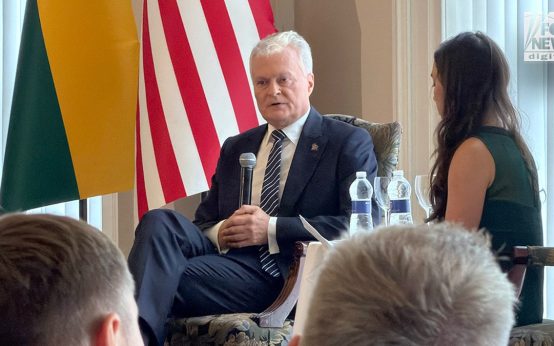 Lithuanian Leader Seeks U.S. Military Commitment Amid Rising Russian Threats
 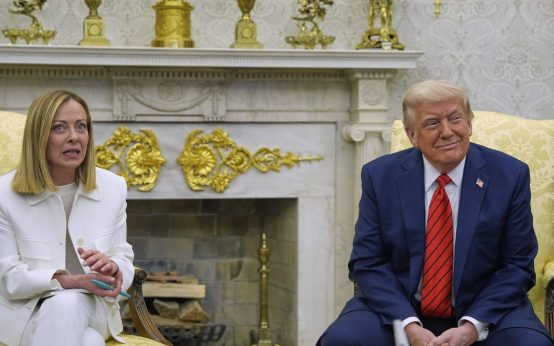 Italian PM Giorgia Meloni Skips UN General Assembly Amid Growing Tensions
  Calls Grow for Ireland’s Soccer Team to Boycott Matches Against Israel
 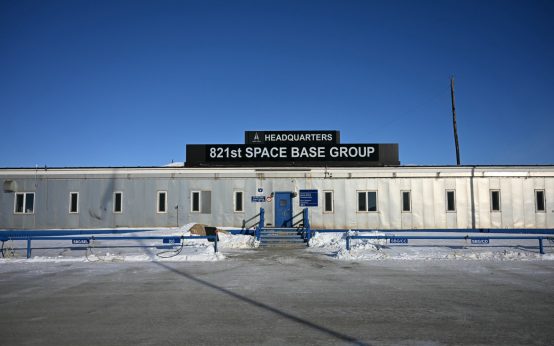 New U.S. Military Bases Planned in Greenland Amid Strategic Security Deal
  Twitch Streamer Hasan Piker Discusses Controversial Commentary
  A Shifting Political Landscape: The Decline of Autocratic Power