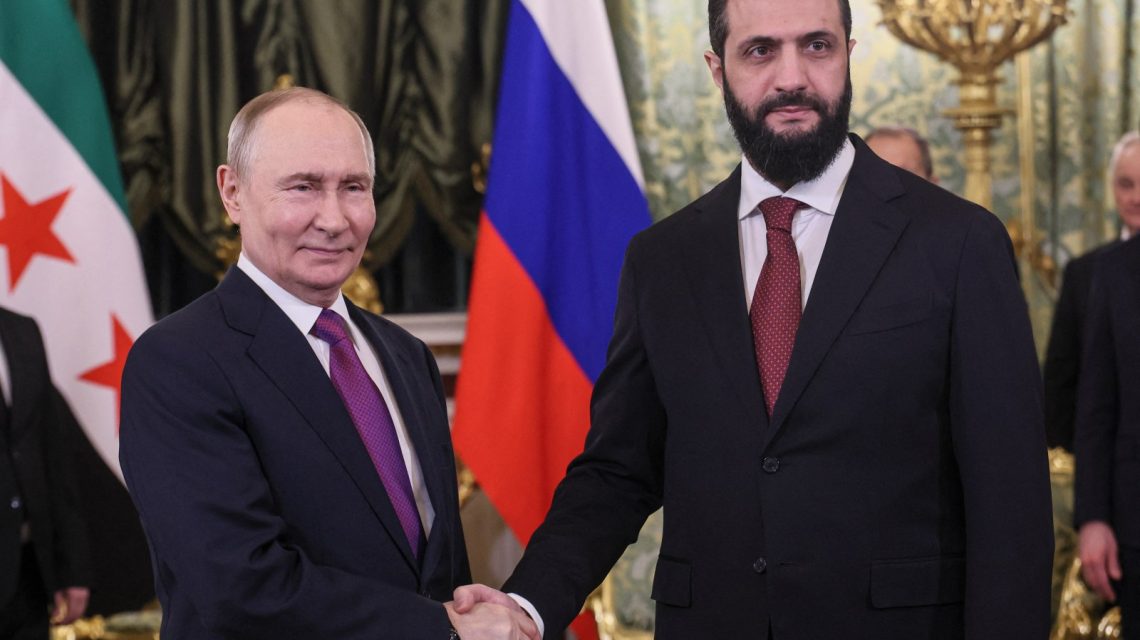
The Collapse of Assad’s Regime and Russia’s Strategic Position
In the past two years, experts widely believed that Russia would suffer significant setbacks if Bashar al-Assad’s regime in Syria collapsed. Russia had invested heavily in preserving Assad’s power in military, political, and economic terms. The rise of Hayat Tahrir al-Sham in Damascus in December 2024 threatened Russia’s influence in the region.
Western capitals expected that Russia would lose the strategic foothold it built in the Levant over the previous decade. However, this assumption appears to have been incorrect.
Strengthening Ties Between Moscow and Damascus
Earlier this year, the Institute for National Security Studies in Israel reported that Russia was strengthening its ties with Damascus, achieving notable successes. Russian diplomacy played a key role in fostering new warmth between the nations.
Confidence-building measures included shipments of wheat and fuel, diplomatic outreach, and high-level delegations. These efforts involved significant contacts, such as letters and phone calls from President Vladimir Putin.
Russia proposed economic and humanitarian cooperation, covering areas like rehabilitating Syrian energy infrastructure and food assistance. It even suggested transforming Khmeimim and Tartus into humanitarian aid hubs.
Military Cooperation and Economic Ambitions
Most crucially, Russia positioned itself to offer solutions to Syria’s military challenges. The offerings ranged from support services for Syria’s army to potential limited military deployments, mirroring Moscow’s historic role for the Assad regime.
Furthermore, Russia’s plans are becoming more ambitious. Reports indicate that the Kremlin intends to establish a commercial logistics hub at the Russian-leased port facilities in Tartus. This move shifts the focus from purely military purposes to broader economic strategies.
According to Syrian officials, Moscow plans to move significant volumes of Russian goods through Tartus monthly, starting with grain shipments and eventually connecting directly to Novorossiysk. This plan emphasizes building a long-term commercial corridor.
Evolution in Russia’s Regional Strategy
In the past, Russian influence in Syria depended mainly on military support. It helped save the Assad regime from collapse in 2015, providing a sustained military presence in the Mediterranean. However, these assets were vulnerable because they relied on the survival of a single regime.
The current approach is different. By playing a key role in Syria’s economic recovery, Russia is creating lasting relationships that surpass governmental changes.
Economic Leverage and Implications
Russia’s strategy has already impacted Syria’s import patterns. Syria now imports around 85 percent of its wheat from Russia, providing Moscow leverage over basic staples. Energy dependence has grown too, with significant imports of Russian crude following Assad’s ouster.
Russia supplies about 60,000 barrels of oil per day to Syria, replacing Iran as the main oil supplier. The planned logistics hub would strengthen these dependencies by making Russian goods central to Syria’s reconstruction.
Impact on U.S. Strategies
The implications for the U.S. and its allies are substantial. The Trump administration has tried to engage Syria’s new leader, Ahmed al-Sharaa, easing sanctions like the 2019 Caesar Act to stabilize the state. However, these efforts aim to steer Syria towards Western alignments.
Russia’s involvement in Syria’s reconstruction and commerce positions it to influence Syria’s future according to its interests, likely diverging from Western expectations.
History suggests Russian preferences may not align with what Washington envisions for Syria.
Ilan Berman, the senior vice president of the American Foreign Policy Council in Washington, DC, expresses his views through this analysis.
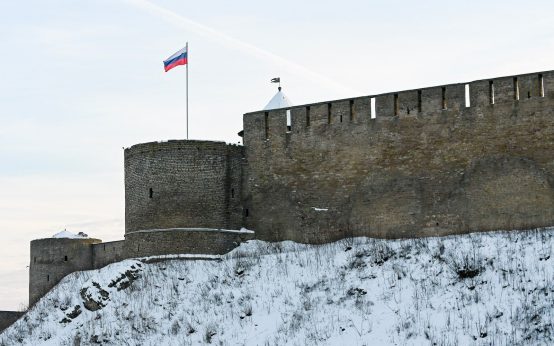 Russia’s Potential Incursion Into Estonia: NATO’s Resilience Under Scrutiny
  Senators Urge Action to Free Imprisoned Journalist in Iran
 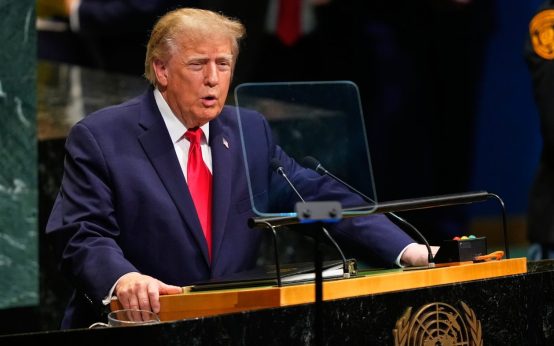 Trump’s Address at UNGA and Key Political Developments
  Irish Athletes Urge Boycott Against Israel
 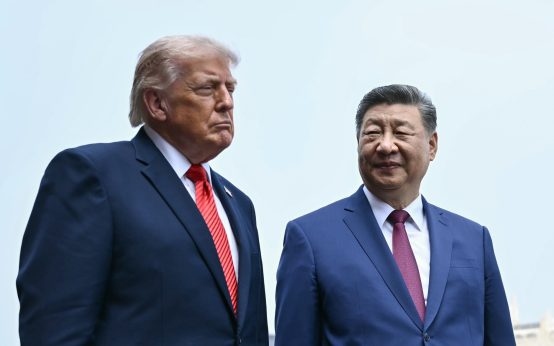 U.S.-China Summit and the Taiwan Dilemma
  U.S. Military Rights Expanded in Greenland: A New Security Agreement