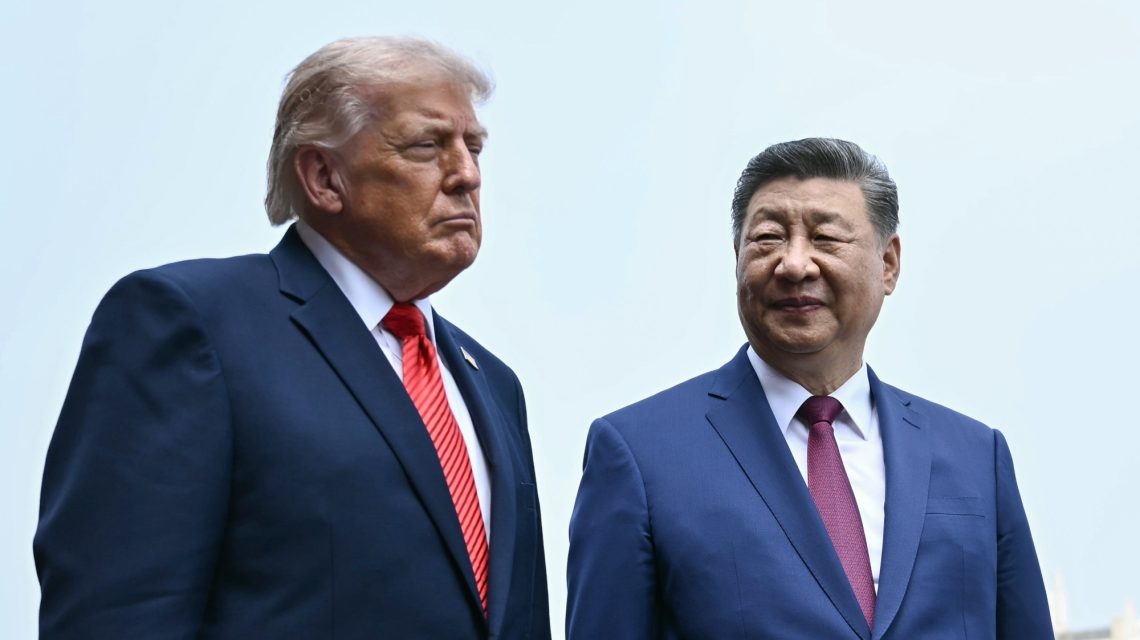
President Xi Jinping of China and U.S. President Donald Trump are meeting in Washington this week. Such summits between U.S. and Chinese leaders often hold potential for significant international outcomes. The decision to conduct the meeting on American soil, rather than in China, offers a slight advantage to the U.S. from a diplomatic standpoint. Historically, U.S. presidents have made questionable concessions regarding Taiwan when visiting China. For instance, Richard Nixon initiated the derecognition of Taiwan in 1972, a move greatly altered by Jimmy Carter, and Bill Clinton made commitments in 1998 that reduced U.S. support for Taiwan on the international stage.
With midterm elections approaching, Trump’s position is viewed as having a modest home groundwork. This may impact his bargaining capabilities when discussing critical issues like trade and Taiwan’s defense. Xi is likely to press for a symbolic concession portraying any easing of U.S. defense commitment to Taiwan. Such a move might reveal a perceived weakness by Trump, potentially harming his political standing.
Xi has cautioned Trump against aggressive moves concerning Taiwan, yet Trump has emphasized their positive relationship in public statements. Trump praised Xi’s intentions during the COVID pandemic, later admitting a level of deception on Xi’s part, yet seemingly forgiving in his second term. As Trump faces declining political prospects, his leverage against Xi appears diminished. This may result in Xi offering Trump a minor trade victory in return for an innocuous agreement concerning Taiwan, such as limiting armament presence in the Taiwan Strait.
Trump should resist agreeing to any superficial offers and consider taking a proactive stance. He could propose a bold settlement to ensure peace in the region, calling for Xi to cease any military aggression toward Taiwan in exchange for Taiwan delaying formal independence for a decade or until Xi’s term ends. By supporting Taiwan’s autonomy and pledging U.S. military support if China resorts to force, Trump can overturn decades of strategic ambiguity.
Joseph Bosco, who previously worked as a China country director for the U.S. Department of Defense, provides this analysis. Bosco also holds positions at the Institute for Corean-American Studies and the Global Taiwan Institute.
 Former CEO Sentenced for Bank Fraud and Sanctions Evasion
 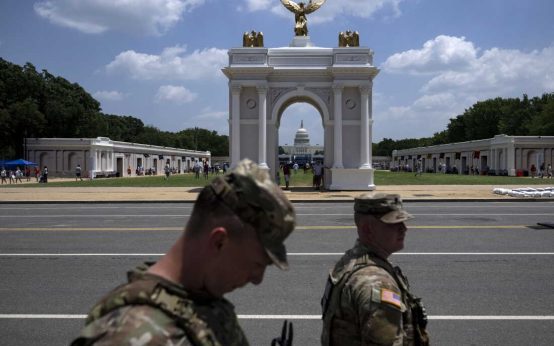 Controversy Surrounds President Trump’s Proposed D.C. Arch
 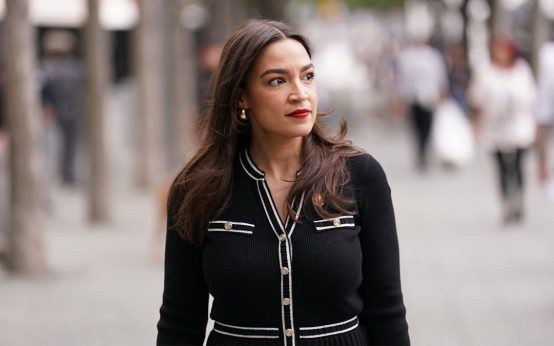 AOC and the 2028 Presidential Election: Gender, Race, and Politics
  Texas Senate Race: Democrat James Talarico’s Unexpected Lead
  Russia’s Potential Incursion Into Estonia: NATO’s Resilience Under Scrutiny
  Senators Urge Action to Free Imprisoned Journalist in Iran