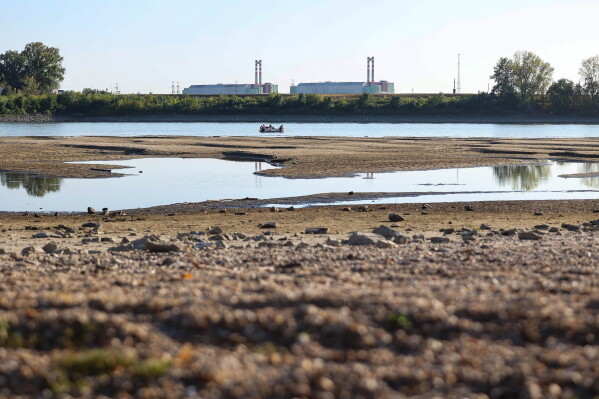
Extreme Fire Weather in Spain and France
Recent wildfires in Spain and France have highlighted the significant impact of climate change on extreme fire weather. Two studies have pinpointed human-induced climate change as a key contributor to the conditions that fueled these fires.
The World Weather Attribution (WWA) scientists conducted a rapid analysis and found that climate change made Spain’s severe fire conditions 20 times more likely. In France, extreme fire conditions were twice as likely due to warming. Over the last 26 years, warming has tripled severe fire risk chances in Spain and increased the likelihood by 40% in France.
Weather Changes Fueling Fires
A separate study revealed the number of extreme fire-prone weather days in Southern Europe has more than doubled compared to previous decades. Factors considered include air temperature, drought, humidity, and wind.
Imperial College climate scientist Friederike Otto, who coordinates the WWA, noted the unprecedented change in Spain’s fire weather conditions. Spain’s hottest summer ever, coupled with a wet January, led to an abundance of wildfire fuel. Land abandonment exacerbated the situation, leaving dry plants and trees.
France faced similar issues, with thick pine groves in Bordeaux acting as tinder for fires. Although the WWA study wasn’t peer-reviewed yet, methods used are scientifically accepted, and many earlier reports have been published in journals.
Importance of Climate Change Data
Otto’s team assessed how burning coal, oil, and gas amplified fire intensity by comparing current weather severity to historical measurements and pre-industrial conditions. Syracuse University’s Jacob Bendix emphasized how scientists have long recognized the role of heat and drought in fire behavior, exacerbated by climate change.
Shifting Patterns of Fire Weather
The study published in Scientific Reports noted a rise in extreme fire weather days from about 10 per year in earlier decades to approximately 25 days annually. These days are now 50% more intense than during 1981 to 2010.
Overwhelming Climate Change Effects
Southern European fires had declined till 2018 due to improved suppression techniques, according to study author Raúl Cordero. However, climate change quickly reversed these gains. He noted that extreme weather can overpower available resources and finances meant for fire control.
Calls to Address Fossil Fuel Consumption
University of California Merced’s John Abatzaglou stressed that climate change is a current challenge, not merely a future one. Otto urged immediate cessation of fossil fuel burning, warning that continued use would escalate fire weather conditions beyond adaptation limits.
“There are hard limits to what we can adapt to,” Otto said.
The Associated Press’ climate and environmental coverage benefits from financial support from private foundations. AP remains responsible for all content, maintaining standards for working with philanthropies outlined at AP.org.
 Challenges and Opportunities for Los Angeles’ 6th Street Bridge and PARC
  Southern California Edison Equipment Blamed for Deadly Eaton Fire
  Black Lung Disease: An Ongoing Crisis Among Coal Miners
  Texas Businesses Warn Against Border Barriers at Big Bend
  Danube’s Low Water Levels Reveal WWII Shipwrecks
  DiCaprio and Bezos Commit $200 Million to Endangered Species Recovery