Addressing the Rise of Shark Attacks
Swimmers are advised to choose ‘quiet areas’ of the ocean to minimize the risk of shark attacks, according to insights shared by shark researcher Jesse Watters and Chris Fischer, founder of OCEARCH. This summer has seen an unexpected increase in shark incidents, leading to the closure of beaches in New York due to the presence of bull sharks. Among notable cases, a swimmer was bitten in Queens, and a child faced an attack in knee-deep water in Florida.
Chris Fischer highlights a significant rebound in shark populations, akin to levels last seen in the 1960s. To bolster safety, beachgoers should steer clear of swimming when bait fish are active, as this condition attracts sharks.
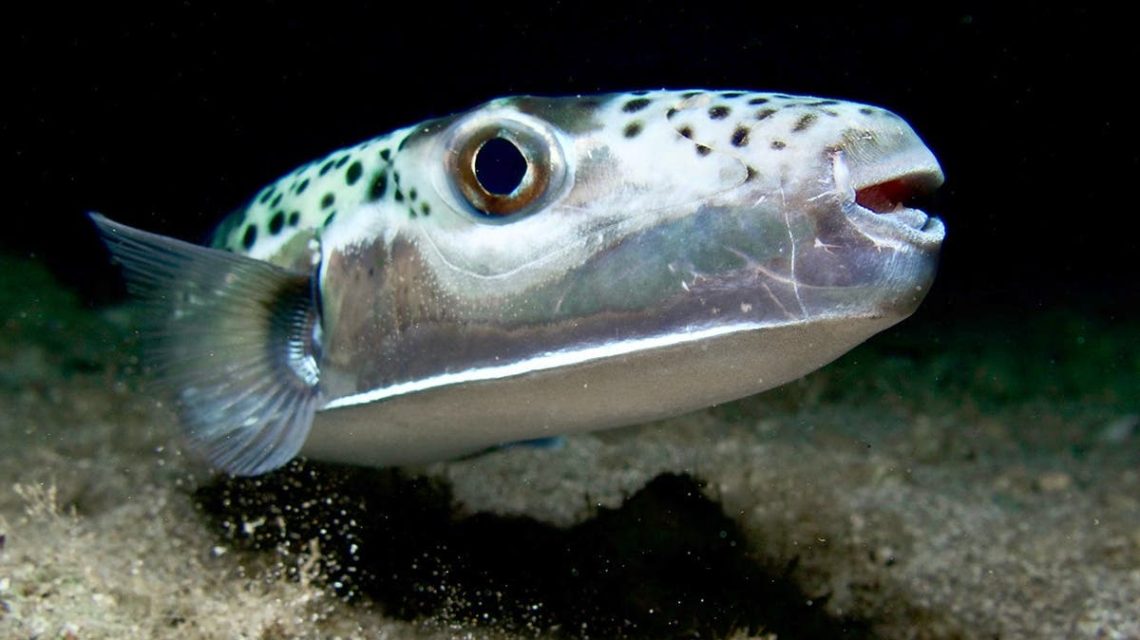
Mediterranean Concerns: Toxic Puffer Fish
A species of puffer fish, known for its toxic flesh and powerful jaws, is expanding throughout the Mediterranean. Local authorities have issued warnings to tourists about the risk of bites from the invasive silver-cheeked toadfish, also referred to as harefish. This fish traversed the Suez Canal and spread as Mediterranean sea temperatures rose.
The puffer fish’s flesh contains tetrodotoxin, a potent neurotoxin primarily found in its tissues. The fish’s beak-like jaws are capable of shredding fishing gear and biting through bone.
Experts emphasize that these fish do not typically attack humans. However, bites occur when individuals attempt to catch or handle them. A study in the journal Toxics recorded 198 human-health incidents involving puffer fish across the eastern Mediterranean from 2004 to 2023. These incidents included 28 physical attacks, 144 non-lethal poisonings, and 27 fatalities linked to fish consumption.
The Hellenic Red Cross has issued advisories, warning that no part of the silver-cheeked toadfish is safe to eat due to its toxic content. Though its bite isn’t venomous, the fish’s powerful jaws can inflict serious injuries.
Floating barriers are being placed in the Gulf of Euboea to protect swimmers from potential encounters with the fish, according to Greek authorities. These measures ensure swimmer safety and are part of broader efforts to manage the fish’s impact on fishing and tourism.
Economic and Environmental Implications
The fish population’s growth is unchecked due to a lack of natural predators in the region. This surge has notably affected fishermen around Crete and other Greek islands, as the fish damage nets and fishing equipment. In response, the Greek government offers a financial incentive to fishermen—5.33 euros per kilogram—for catching these nuisance fish.
While not all pufferfish are poisonous, most possess tetrodotoxin within their organs and skin. Toxicity levels differ across species, and farm-raised variants remain non-toxic if they avoid consuming toxic prey in the wild.
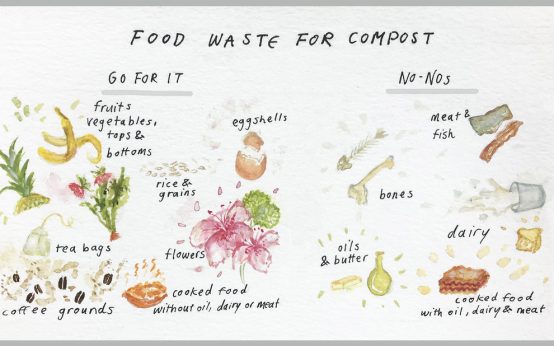 Turning Home Food Waste into Compost: A Guide
  Chicagohenge: When Sunlight Aligns with City Streets
 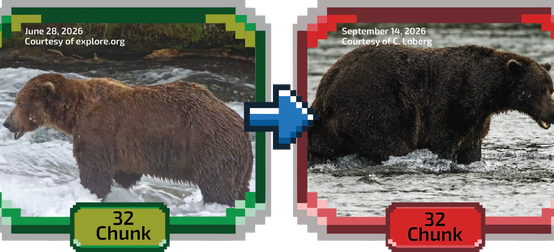 Fat Bear Week 2026: A Look at the Contest and Its Competitors
  California Governor Declares Statewide Emergency Ahead of El Niño Storms
  The Rise of Pickle-Flavored Snacks in America
 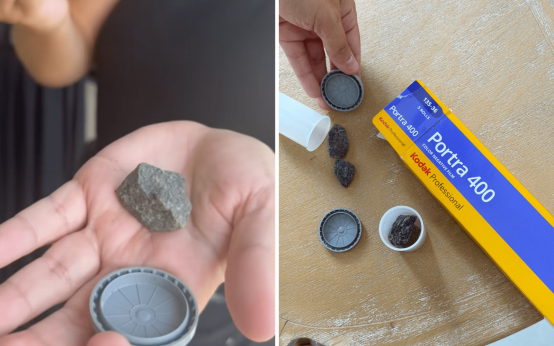 Unexpected Surprise for Photographer with Amazon Purchase