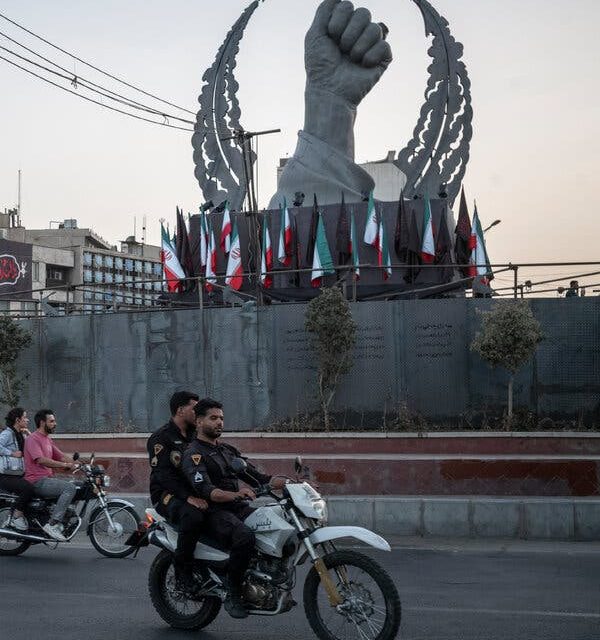
Not long ago, Germany depended heavily on Russia for its gas. Meanwhile, Japan relied almost entirely on China for rare-earth minerals. The majority of oil and gas from the Middle East traveled through the Strait of Hormuz.
The situation began changing when Russia invaded Ukraine and attempted to use its position as Europe’s main natural gas supplier for leverage. In response, Germany started importing gas from Norway. Similarly, after China halted Japan’s supply of rare-earth minerals over a territorial conflict, Japan worked to establish a supply chain independent of China.
Iran continues to exercise control over the vital Strait of Hormuz, through which approximately 20% of the world’s oil passed. The question arises: how long can Iran maintain this influence before countries choose different routes?
Amanda Taub discusses if the strait might eventually become a less critical asset.
Iran has shown the strategic importance of the Strait of Hormuz, especially after its conflict with the United States and Israel. This control over a key waterway has proven beneficial, especially as tensions highlight its role in global trade.
 Ukraine Deploys Ground Robots in ‘Operation Vivaldi’
  Understanding AI’s Impact Compared to Historical Threats
  State Department Alerts on Middle East Travel Amid Rising Tensions
 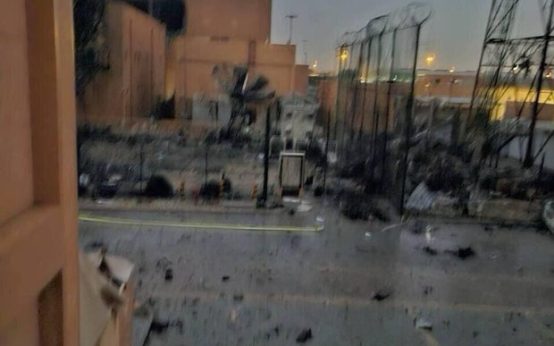 Iran’s Attacks on Bahrain: The Impact on Military Families
  United Russia’s Dominant Election Result: Implications for Putin’s Ukraine Policy
 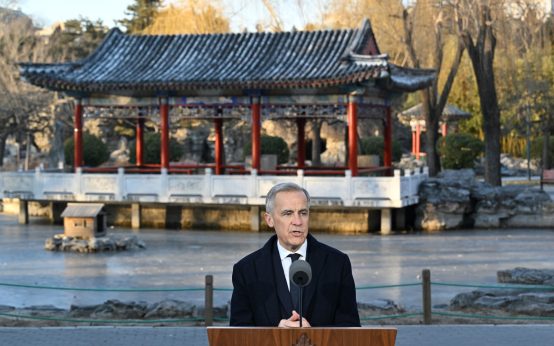 Canada’s Tariff Reduction on Chinese EVs Raises Security Concerns