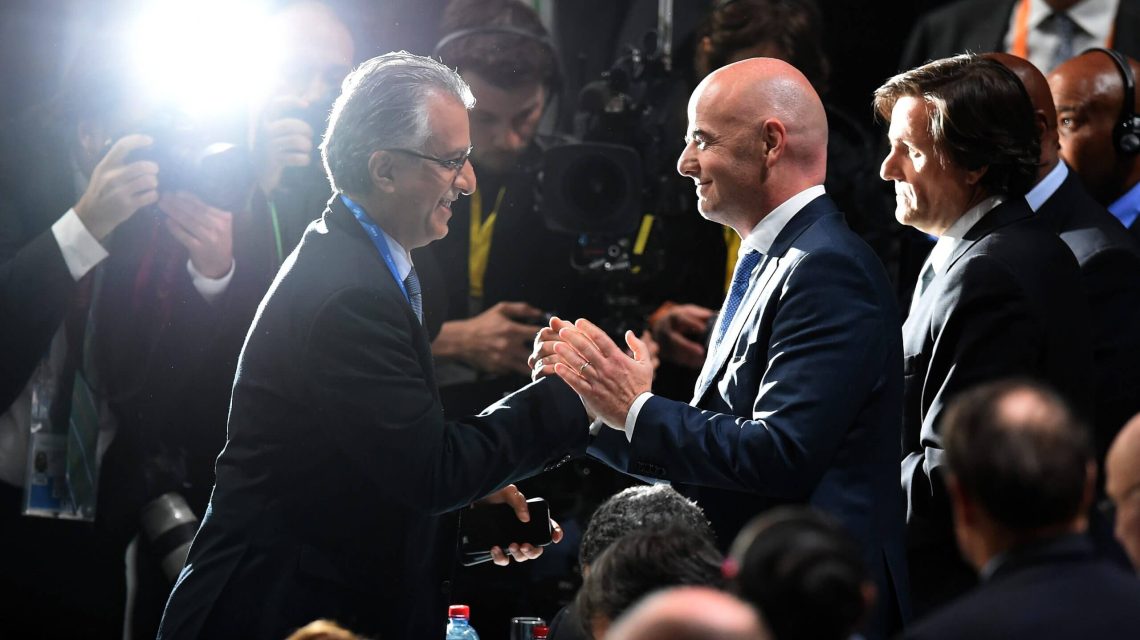
Infantino’s Re-Election Challenge
Gianni Infantino, the current FIFA president, has faced unexpected challenges surrounding his anticipated re-election. Infantino’s latest remarks at the 2026 FIFA Congress in Vancouver hinted at his plans for re-election next year. However, confidence in his continued leadership has been shaken.
Recent developments, including the failed attempt to sell a stake in FIFA’s operations to an investment fund, have led to a critical loss of support. UEFA, among others, has publicly stated its lack of confidence in Infantino. His allies and advisers have distanced themselves, casting doubts on a previously unchallenged run towards re-election.
FIFA Presidential History
FIFA’s presidential changes are infrequent. Since Robert Guerin took office in 1904, the organization has seen only nine presidents. Infantino is the third president since the mid-1970s. Joao Havelange and Sepp Blatter held the position for over 40 years combined.
Blatter’s departure amid corruption allegations prompted FIFA to limit presidential terms to 12 years in 2016. Infantino argued his initial term should not count against this limit, allowing potential 15 years in office with re-election.
FIFA elections occur every four years at the Congress post-World Cup. Infantino’s previous elections in 2019 and 2023 didn’t require voting due to strong support. His first election victory in 2016 involved beating four rivals.
Election Process Overview
The FIFA presidential election process spans about a year. Candidates must have been active in association football for at least two of the last five years. A FIFA committee conducts eligibility checks.
Candidates require support from five member associations by November 18. Each association can back only one candidate. Infantino, earlier this year, claimed the support of 200 from 211 members.
Voting Dynamics
Winning a FIFA election demands a simple majority, needing 106 votes from 211 associations. Each vote carries equal weight — whether from powerful nations like Spain or smaller ones like Seychelles.
Infantino has maintained popularity by addressing smaller nations’ needs. Yet, recent opposition from UEFA, AFC, and Concacaf presents new hurdles. These confederations together could potentially vote against him.
Potential Rivalries
A secret voting process ensures diverse support-building within confederations. Sheikh Salman’s backing of Asian and African confederations in 2016 didn’t convert into victory. Infantino needed two rounds in 2016 for his triumph.
Concacaf president Victor Montagliani is reportedly considering challenging Infantino. The candidacy deadline provides a 16-week period to gather backing.
Upcoming Election Details
The next FIFA election is slated for March 18, 2027, in Morocco. This aligns with FIFA’s centenary celebration year. Morocco’s choice holds significance due to its aspirations to host the 2030 World Cup final.
Infantino has traditionally enjoyed strong support from CAF, the governing body of African football. However, potential threats loom. An emergency Council meeting could be called if discontent with Infantino grows among its 37 members or if a fifth of member associations demand it.
UEFA alone possesses the necessary numbers to request an emergency Congress, potentially leading to a vote of no confidence. Infantino’s earlier ascension via an emergency Congress raises the possibility of a similar scenario now.
The situation remains dynamic, and FIFA’s upcoming election could reveal new outcomes.
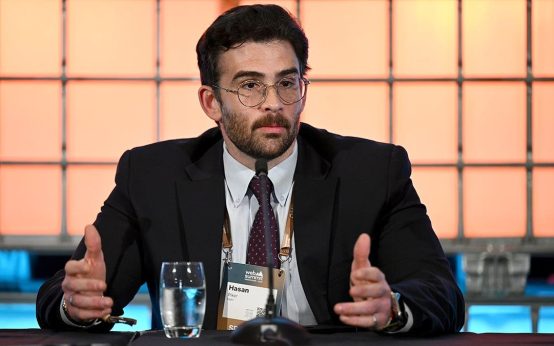 Twitch Streamer Hasan Piker Discusses Controversial Commentary
  A Shifting Political Landscape: The Decline of Autocratic Power
  Trump Delivers Warning to Iran, Cuba at UN General Assembly
 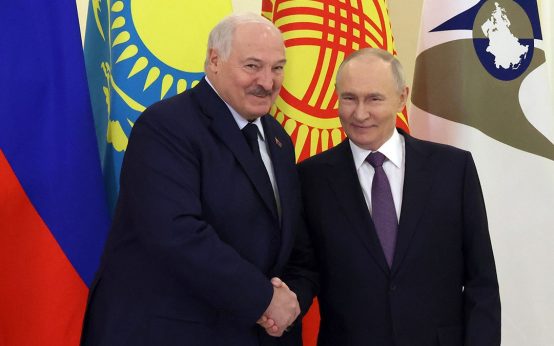 Lukashenko and Putin’s Unique Relationship and Belarus’ Strategic Role
  Alan Ritchson Faces Backlash Over Political Remarks
  Himalayan Pilgrimage: A Couple’s Narrow Escape and Lingering Questions