Iran’s Focus: Control Over the Strait of Hormuz
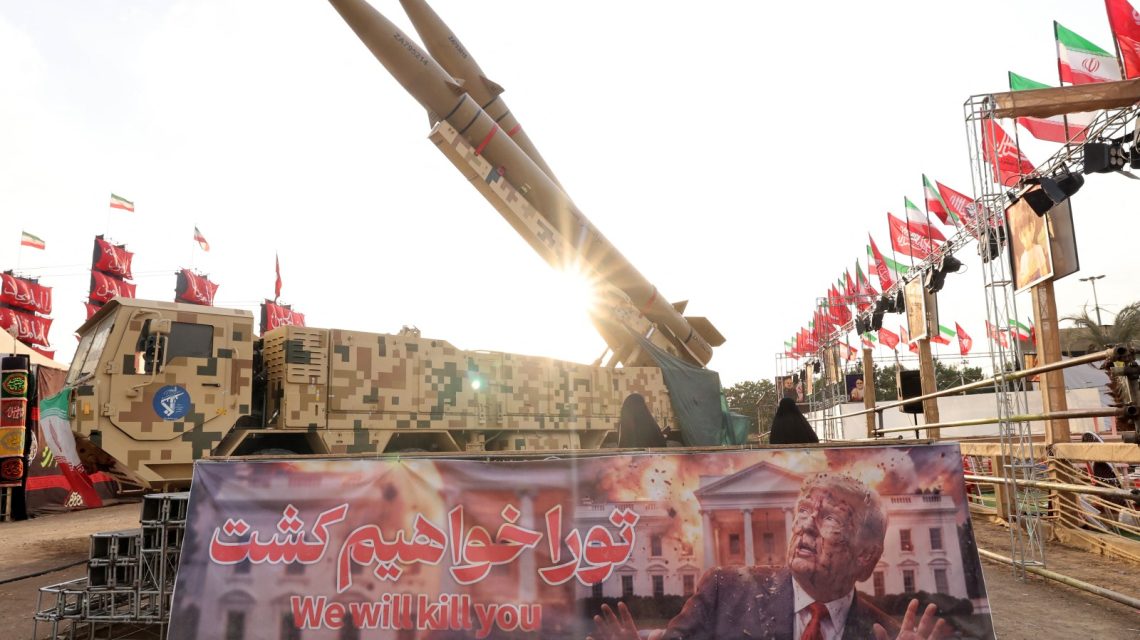
Despite U.S. demands, Iran is using the ongoing six-month conflict to enforce its own objectives in the Middle East. Contrary to the nuclear focus of the United States and Israel, Iran’s main goals are not nuclear. Throughout the war, Iran has denied efforts to produce weapons of mass destruction and instead exerted significant leverage over the Strait of Hormuz.
Reports suggest that Iran and Oman are negotiating a deal to formalize service fees collected from the critical oil and gas corridor, potentially leading toward a peace settlement. Javad Heirannia, director of Persian Gulf Studies at the Center for Scientific Research and Middle East Strategic Studies in Tehran, emphasized Iran’s aim to transform military achievements and war pressure into control over the Strait, imposing this influence as an undeniable reality on the U.S. and globally.
Such control would reinforce a cost-benefit equation concerning nuclear discussions, offering Iran insurance against future U.S. interventions.
The New Middle East Order
The Middle East’s geopolitical landscape is rapidly shifting after Hamas attacked Israel in October 2023. Iran’s Axis of Resistance coalition, including Hezbollah, Yemen’s Ansar Allah, and Iraq’s Popular Mobilization Forces, joined the conflict promptly. While they faced severe setbacks from Israeli and U.S. strikes, Iran seeks to rejuvenate this alliance through investments and tactical adjustments.
Heirannia highlighted Iran’s strategy where attacks on the coalition equate to assaults on Iran’s infrastructure, prompting commitments to retaliate. Regional nations are also forging partnerships amid turmoil, altering the geopolitical dynamics.
Saudi Arabia, alongside Egypt, Turkey, and Pakistan, has cemented a formal defense pact. Conversely, the UAE aligns closer with Israel, showcasing evolving alliances. These changes strain relationships, driving competition for regional influence.
Impact on U.S. Presence
The U.S. encounters dwindling munitions stocks and growing skepticism among Gulf partners regarding its security assurances. Aya Ibrahim of Columbia University pointed out fundamental shifts in Gulf perceptions of U.S. security guarantees and oil relationships.
Retired Air Force Major General Randy Manner noted negative impacts extending beyond the Middle East, with strategic repositioning affecting regions like Taiwan and Ukraine. Former Pentagon spokesperson Chris Meagher warned of distraction from key global priorities.
China stands poised to increase its influence amid these shifts, offering itself as a stabilizing force. Giorgio Cafiero from Gulf State Analytics highlighted the acceleration of Gulf diversification away from U.S. dependency. Iran’s collaborations with China could influence the regional balance significantly.
As Iran enhances ties with China and argues against U.S. military presence, the Strait of Hormuz remains pivotal for expanding its regional influence, potentially creating long-lasting effects even after the current crisis concludes.
 Venezuelan Leadership at the United Nations
  Ontario Synagogue Shooting During Yom Kippur Leaves One Officer and Shooter Injured
  Pope Leo XIV’s Upcoming Visit to Latin America: An Overview
  Ukraine Deploys Ground Robots in ‘Operation Vivaldi’
  Understanding AI’s Impact Compared to Historical Threats
  State Department Alerts on Middle East Travel Amid Rising Tensions