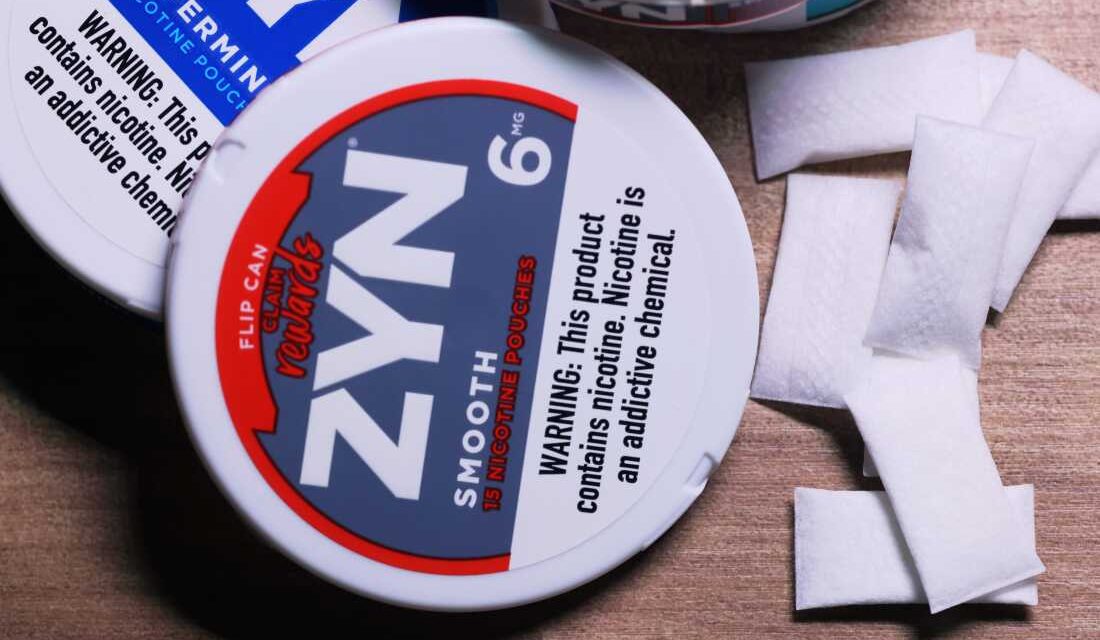
The FDA recently approved some Zyn nicotine pouches to be marketed as a lower risk compared to cigarettes. Available in flavors like “Cool Mint,” “Smooth,” and “Chill,” these pouches, which are featured on the Ferrari F1 race car, offer an addictive experience. A pouch, the size of a paperclip, contains bleach-white fibers and nicotine crystals. Placed between the lip and gum, it releases nicotine and other chemicals into the bloodstream.
Zyn, a leading brand of nicotine pouches, has been approved by the FDA to claim that using their products instead of cigarettes reduces the risk of mouth cancer, heart disease, lung cancer, stroke, emphysema, and chronic bronchitis. Bret Koplow, acting director of the FDA’s Center for Tobacco Products, stated the decision aims to provide users with science-based information about tobacco products’ relative harms, facilitating informed decision-making.
Some health experts believe Zyn offers a safer alternative for smokers, potentially reducing the 480,000 annual tobacco-related deaths in the U.S. Others caution it may bridge youths to more harmful nicotine habits, such as smoking.
The Case for Nicotine Pouches
Nicotine, a substance extracted from the tobacco plant, is also produced synthetically. Supporters argue nicotine pouches are safer than combustible tobacco products, which release thousands of harmful chemicals when smoked. Mitch Zeller, a Dartmouth professor and former director at the FDA’s Center for Tobacco Products, highlights that pouches avoid the harms associated with burning tobacco leaves.
Brian Erkkila, from Philip Morris International, Zyn’s parent company, shared that Zyn helped him quit smoking. He wonders if it could have saved his father from lung cancer. However, he acknowledges nicotine’s addictive nature and potential risks.
Bonnie Halpern-Felsher of Stanford University acknowledges nicotine pouches’ potential harm reduction for smokers willing to quit. Yet, she warns of potential risks such as heart issues and illnesses, emphasizing the uncertain long-term effects.
Caution Against Misleading Marketing
Dr. Robert Jackler of Stanford University voices concerns that Zyn’s high nicotine content, flavored products, and aggressive marketing counter smoking cessation efforts. Jackler points out flavor names like “cool” and “smooth” aim to appeal to lifestyles. He also highlights advertisements showcasing active lifestyles to portray Zyn as safe.
Erkkila insists Philip Morris markets responsibly, targeting adults. He states that a 3 mg Zyn delivers similar nicotine to a cigarette, and the highest offering of 11 mg isn’t considered high. He notes the FDA’s 2025 authorization credits flavors for helping adult smokers switch.
Mary Hrywna from Rutgers supports flavors as an aid for tobacco users switching to pouches, but warns against youth usage. Zeller stresses the need to prevent adolescent consumption to avoid increased harm.
Adolescent Use and Concerns
A study reveals a rise in nicotine pouch use among 12th graders, with 6.8% in 2024 increasing to 10.0% in 2025. The accessibility and concealment of pouches among teens raise concerns. Emily Hilliard from the Department of Health and Human Services reiterates the FDA’s commitment to restricting youth access while emphasizing no tobacco product is safe.
Halpern-Felsher notes the detection of nicotine pouch litter in schools and the challenges in policing such use. Her team provides educational resources on oral tobacco risks to adolescents and advises parents to discuss these issues.
Hrywna highlights nicotine’s negative impact on brain development, emphasizing no health benefit for adolescent users. Jackler cautions against starting nicotine use, citing significant suffering associated with addiction.
 Managing Distress and Discomfort Effectively
  Trump Administration Seeks to Influence NIH Grantmaking
  Understanding School Shooting Preparedness Drills
  Addressing the Complex Issue of Suicide and Its Prevention
  Quality of Sleep Linked to Risk Reduction in Various Diseases
  Exploring Diets and Their Potential to Reduce Alzheimer’s Risk