
TAIPEI, Taiwan (AP) — Taiwan commenced its annual military exercises on Wednesday, aiming to simulate a response to a potential Chinese invasion of the self-governed island, which Beijing claims as its own.
The live-fire drills will test the Taiwanese army’s capability to maintain 24-hour defense operations and counter China’s ‘grey zone’ tactics, which stop short of open warfare. Urban resilience drills will evaluate the civilian population’s response to internet service disruption.
The Han Kuang exercises span 10 days and are set to occur at various locations across the island. This year, new communication methods inspired by the United States will be tested, including ‘backbriefs’, where subordinates explain mission execution plans to commanders. Experts suggest these drills encourage frontline combatants to be more self-reliant and effective in battle.
This year’s maneuvers will mobilize the largest reservist contingent ever: over 5,000 personnel distributed across two brigades. Last year, they involved more than 3,000 reservists in one brigade. The drills will assess how quickly reserves can transition from peacetime standby to full active duty.
Another component of the exercises, reflecting Taiwan’s historical emphasis on civil defense, includes urban resilience tests. These will occur on different days in cities like Kaohsiung, Taichung, and Taipei. During the simulation, mobile internet speed will be reduced for about 30 minutes to simulate telecommunications disruptions in case of an attack.
Military equipment being tested includes the recently acquired Abrams M1A2T tanks. Taiwan purchased 108 of these US-made vehicles in 2019, and the last batch arrived in April. Taiwan receives most of its weapons from the United States, its primary informal supporter against China’s territorial claims. Beijing views democratic Taiwan as a separatist province, to be recovered by force if necessary. In recent years, it has intensified its military pressure campaign, sending military aircraft and warships near the territory almost daily.
Recently, Taiwan’s parliament approved a supplemental budget plan of $24.8 billion for purchasing US arms, a figure lower than President Lai Ching-te’s proposal of $40 billion. The island’s government anticipates Washington’s approval of a $14 billion arms sale package to Taiwan, delayed for months.
Previously, US President Donald Trump and Congress approved another record package worth $11 billion. However, after a May visit to China, Trump described arms sales to Taiwan as ‘a good bargaining chip’ with Beijing and refrained from approving the latest initiative.
This story was translated from English by an AP editor with the help of generative artificial intelligence tools.
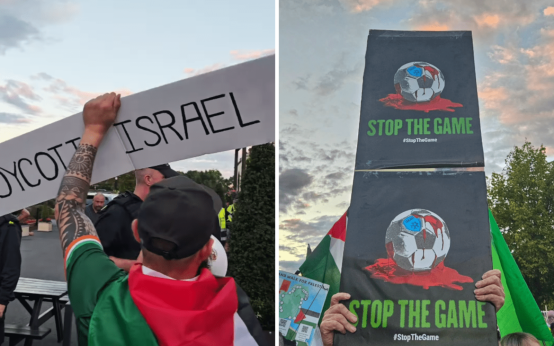 Calls Grow for Ireland’s Soccer Team to Boycott Matches Against Israel
 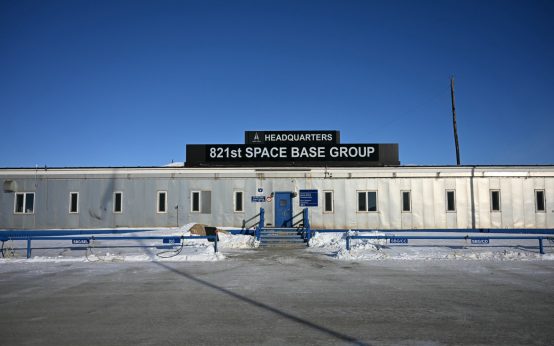 New U.S. Military Bases Planned in Greenland Amid Strategic Security Deal
 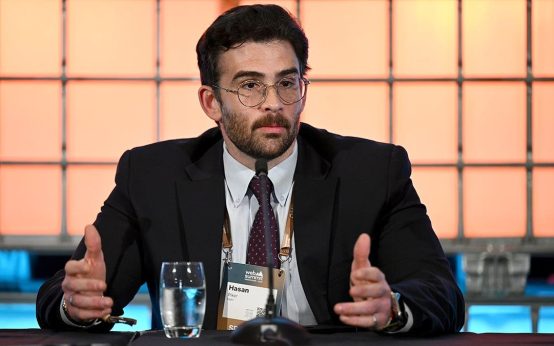 Twitch Streamer Hasan Piker Discusses Controversial Commentary
  A Shifting Political Landscape: The Decline of Autocratic Power
  Trump Delivers Warning to Iran, Cuba at UN General Assembly
  Lukashenko and Putin’s Unique Relationship and Belarus’ Strategic Role