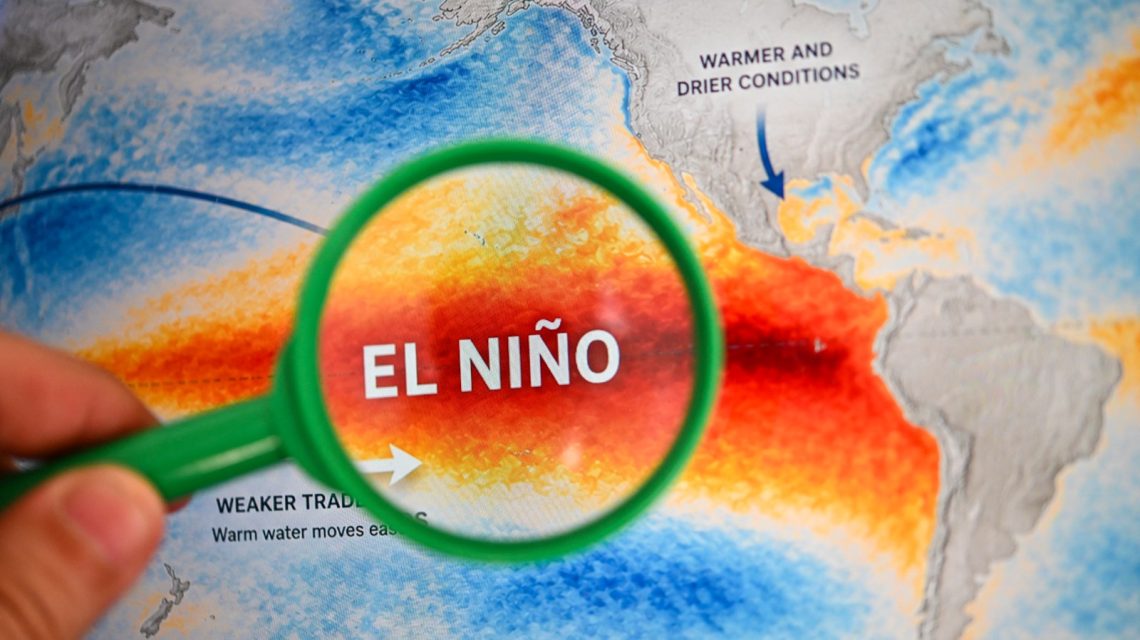
El Niño, a significant climatic pattern, is intensifying over the tropical Pacific. Forecasts suggest exceptional intensity with potential impacts on global weather through winter and possibly until 2027.
Current Status and Predictions
The National Oceanic and Atmospheric Administration (NOAA) Climate Prediction Center reports a more than 90% chance of a very strong El Niño event during the fall and winter seasons. This prediction is supported by the World Meteorological Organization (WMO), which anticipates El Niño reaching peak intensity by late 2026.
AccuWeather predicts this El Niño could be the most powerful since 1950, emphasizing its potential to dramatically affect weather patterns.
Understanding El Niño
El Niño is the warm phase of the El Niño-Southern Oscillation (ENSO), which influences global weather patterns. Its counterpart, La Niña, represents the cool phase.
Effects typically include increased storms in the southern U.S., drier weather in northern regions, and altered hurricane activities. Although ‘Super El Niño’ is not a official term by NOAA, it is often used to describe exceedingly strong events.
Monitoring El Niño
Public attention should focus on the ENSO 3.4 region, a specific area in the Eastern Pacific, where sea-surface temperatures are monitored. According to meteorologist Alex DaSilva from AccuWeather, a record-high El Niño may result in 2027 being the warmest year recorded globally.
Forecasts and Implications
NOAA forecasts ongoing El Niño intensification, predicting a greater than 90% chance of a strong occurrence throughout Northern Hemisphere’s fall and winter. Specifically, NOAA projects a 69% probability of a historic event from October to December, potentially surpassing those witnessed since 1950.
“An event of such magnitude might increase El Niño-consistent effects, although these effects are not guaranteed,” NOAA asserts.
The WMO confirms El Niño’s establishment and anticipates its further strengthening toward the end of 2026. Its forecast suggests nearly 100% persistence through February 2027, with possible alterations in precipitation and temperature patterns, including risks of floods, drought, and extreme heat.
Seasonal impacts are forecasted, particularly an increased likelihood of above-average temperatures across most terrestrial regions from September to November. However, regional impacts remain influenced by other climatic factors.
AccuWeather experts express high confidence in developing ‘Super El Niño’ conditions during the second half of the Atlantic hurricane season, suggesting the emergence of an intensely impactful event.
“The potential impacts of El Niño remain consistent regardless of its record status,” remarks AccuWeather Lead Long-Range Meteorologist Paul Pastelok.
In the U.S., forecasts predict active southern storm tracks and above-average northern temperatures during fall, with warnings about persisting drought conditions in western areas.
Alex DaSilva highlights that current records show this El Niño is the most vigorous to date based on daily values. Prospects of it reaching record strength require sustained intensity over several months.
 Advocacy Group Raises Concerns Over Wild Horse Roundups in Western U.S.
 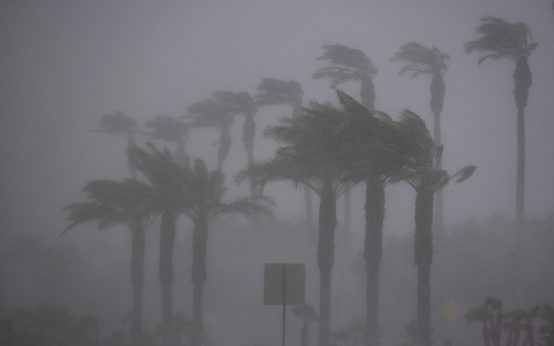 El Niño’s Impact on California and the Southeast: What to Expect
  Forecast of Extreme Weather Follows Coastal Flooding in Southern California
 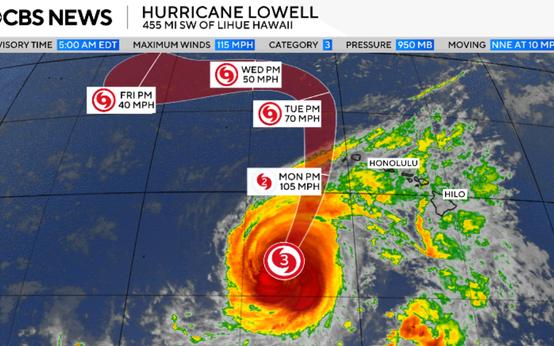 Hurricane Lowell Approaches Hawaii with Intense Winds and Rainfall
  Arizona’s Heat Crisis and the Risks for Mobile Home Residents
  Nation Faces Unprecedented Wildfire Destruction in Recent Years