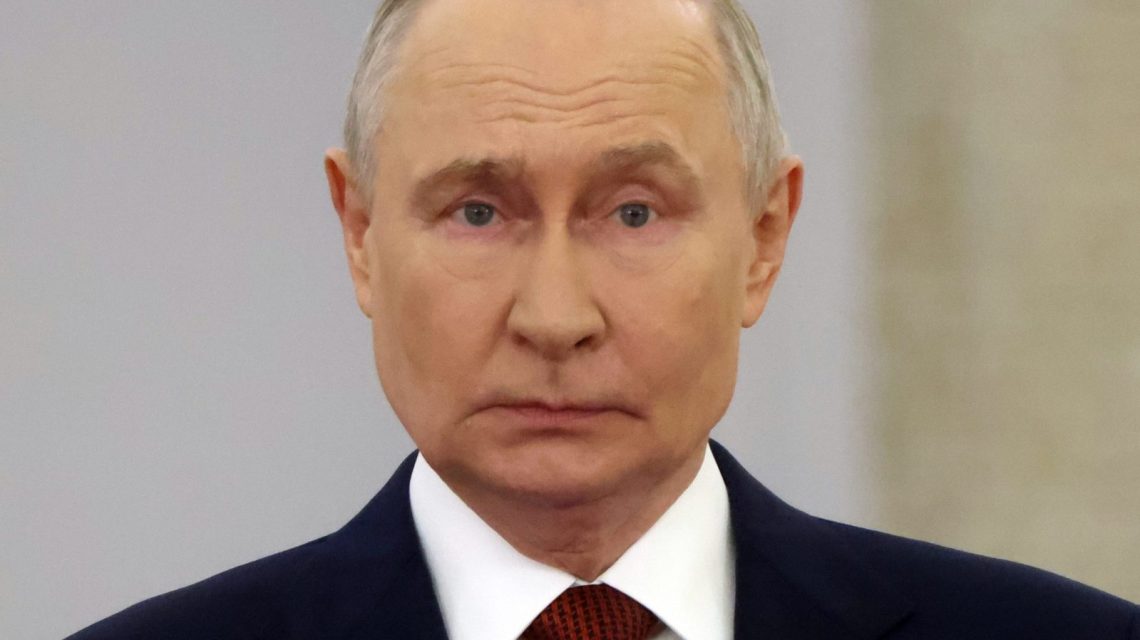
As Russia approaches its first parliamentary elections since moving military forces into Ukraine, Vladimir Putin faces a complex political environment. United Russia, his party, faces little risk of losing power. The decades of authoritarian rule crafted by Putin ensure party members don’t need to exert much effort during campaigns. Yet, even with a carefully managed vote, caution is necessary due to the ongoing successes of Ukraine’s military efforts.
Ukrainian Military Gains Impacting Russian Politics
Ukraine’s long-range strikes have targeted Russian oil refineries, energy infrastructure, and the e-commerce giant Wildberries, leading to financial losses and troublesome fuel shortages. While the front lines remain steady, Ukrainian forces continue to inflict significant losses on Russian troops. With elections nearing, measures to counter these setbacks could be unpopular and risky. Increasing pressure challenges Putin’s attempts to shield Russia from war’s domestic effects, resulting in stronger positioning for Kyiv.
Debating Mobilization Strategies
In September 2022, the Russian Defense Ministry called up 300,000 reservists six months into its Ukraine deployment. The public responded significantly, with 66,000 Russians fleeing to the EU in the following week, marking a 30% increase. Additional numbers moved into Kazakhstan and Georgia. Current Russian battlefield losses remain severe and unclear. Claims suggest Russian army losses exceeded new recruits from December to April, although official reports indicate 200,000 contract signings by mid-2026.
This continuous combat has stalled strategic breakthroughs, leading to speculation about another major mobilization. Ukrainian President Zelensky indicated that Russia might mobilize 300,000 to 500,000 soldiers later this year. In response, Russian officials reassured the public, denying any need for mobilization and warning against such rumors. Authorities are instead adopting incentives to increase recruitment, such as easing contract eligibility and offering financial bonuses to new recruits.
Economic Strain on Russia
Ukraine’s targeted attacks on Russia’s logistics have gained global attention. Russian media estimate significant damage to Wildberries’ warehouse space, affecting consumer prices, order availability, and disrupting small businesses. More concerning for Putin are the ongoing strikes on oil and gas refineries, which contribute to domestic fuel shortages and rising prices.
Gasoline production declined significantly in June and July compared to the previous year. Without a reversal, domestic gasoline stocks risk depletion by the autumn. The resulting economic strain affects export figures, with June seeing record-low oil-product exports. Russia’s GDP growth prospects have declined, with revised forecasts predicting near-zero growth for 2026.
To alleviate financial pressures, the government implemented extensive tax reforms. An increase in value-added tax (VAT) and stricter fiscal regulations burden businesses and consumers alike. The reductions in the VAT threshold challenge companies further, projecting continued fiscal tightening through 2028.
United Russia’s Electoral Prospects
Despite these stresses, United Russia is likely to maintain its majority power in the upcoming elections. Currently controlling over 300 of 450 Duma seats, the party can afford minor losses without affecting governance. Yet, public opinion reflects substantial frustration, especially among pro-war factions and urban, independent workers.
United Russia’s current vote target for the elections stands at 55% with a 50% turnout expectation. However, recent reports suggest regional adjustments to these targets are lowering expectations. Public sentiment is difficult to measure accurately, but polls indicate diminishing confidence in the local economy and living standards, coinciding with a perceived decline in Putin’s popularity.
Despite potential backlash, United Russia is poised for victory, benefiting from systemic controls and patriotic display. Ukraine’s strategic play does not aim to challenge Russia’s electoral outcomes, focusing instead on impacting the broader geopolitical landscape.
 House Bill Aims to Enhance Benefits for Combat-Injured Veterans
 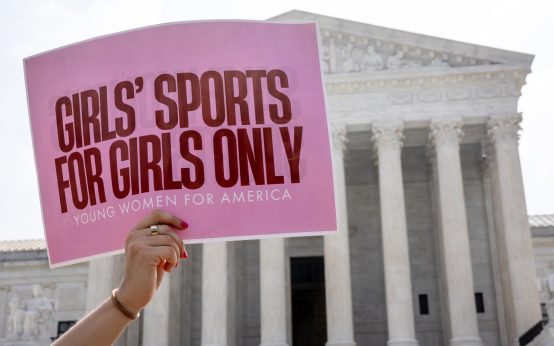 Debate Over Transgender Athletes Shapes Political Strategies
  Collins Battles Trump Administration on NIH Grant Control
 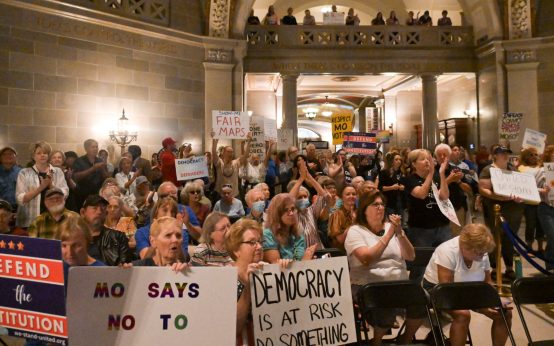 U.S. Appeals Court Supports New Missouri Congressional Map
  GOP Candidates Call to End Iran War Amid Rising Fuel Costs
  Trump Administration Seeks to Influence NIH Grantmaking